Update: January 28, 2014 I have terrific news: the campaign succeeded. The Lindners raised the funds needed to repair their well and have begun the long process of restoring their pastures. Total contributions reached $155,133, with $41,264 raised through the Indiegogo campaign — including donations from many generous readers — and the remainder coming from mail-in checks and sales at the farmer’s market.
Kathy and Ken asked me to pass along a heartfelt thank-you to everyone who helped. Their message was clear: the generosity of the community made a real difference. I’m deeply grateful to all who supported them; small farms like this are essential to healthier food systems and stronger local economies.
– Andrew
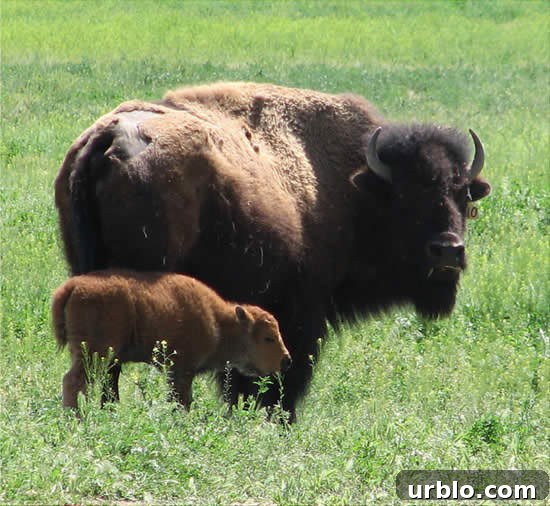
Kathy and Ken Lindner raise 100% grass-fed bison at Heritage Ranch in Northern California. They run a small, hands-on operation that emphasizes animal welfare, sustainable land stewardship, and careful breeding of heirloom and heritage stock.
My partner and I have been buying their bison at the Santa Monica Farmers Market for the past year and a half, and over that time we got to know them personally. They left corporate careers to build a small farm rooted in values: humane treatment of animals, respect for the land, and a commitment to community. Kathy contributed to October Unprocessed with their “15% Steak Rule,” an idea that has influenced how I shop and cook. We were also proud to serve their bison at our wedding.
But their ranch faced a severe crisis.
In April, the Lindners’ 34-year-old well — a 600-foot supply that irrigated their pastures — failed. Without that water source they could not irrigate the fields that sustain their herd. They had already invested their life savings to build the business and could not cover the estimated $150,000 cost to replace the well. Loan options weren’t available, and as a result their fields went fallow. To keep the bison alive they had to buy large quantities of hay, sometimes up to a ton per day, dramatically increasing their operating costs. Faced with mounting expenses and no immediate way to restore reliable irrigation, the future of the ranch was at severe risk.
As a final effort to save their operation, the Lindners launched an Indiegogo campaign to raise funds to replace the well. If they failed to meet the goal they would face the heartbreaking choice of selling the herd and closing the ranch. That would mean years of work, stewardship, and community connections lost, and the animals could end up in feedlots instead of on pasture.
When I first wrote about their situation, they had raised roughly $24,000 with 29 days remaining. My motivation in sharing their story was simple: the Lindners exemplify the best of the sustainable food movement. They are committed to non-GMO, heritage species, and humane, transparent farming. Their operation is Animal Welfare Approved and holds Green America Gold business certification, reflecting a long-term commitment to social responsibility and ethical practices.
They are small-scale stewards who contribute to resilient local food systems. Supporting them meant supporting humane animal care, land regeneration, and community-based agriculture. For those who value where their food comes from, saving a farm like Heritage Ranch preserves infrastructure that benefits consumers, wildlife, and the broader landscape.
I supported their campaign because I believe in their work, and I encouraged readers to consider helping as well. Even if you don’t buy their products or don’t eat meat, keeping farms like this viable advances better farming practices and protects diversity in our food system.
Please consider watching their story and, if you can, contributing to help restore their well so they can continue managing productive pastures and healthy bison herds. With community support, Heritage Ranch can return to thriving fields and continue to provide responsibly raised meat and a model for sustainable ranching.