July is dedicated to offering genealogy tips that are creative and a little “out of the box.”
Welcome to DAY 14 of the 31 Days of “Out of the Box” Genealogy Tips series!
DAY 14 – Explore Civil War Veterans Homes Records!
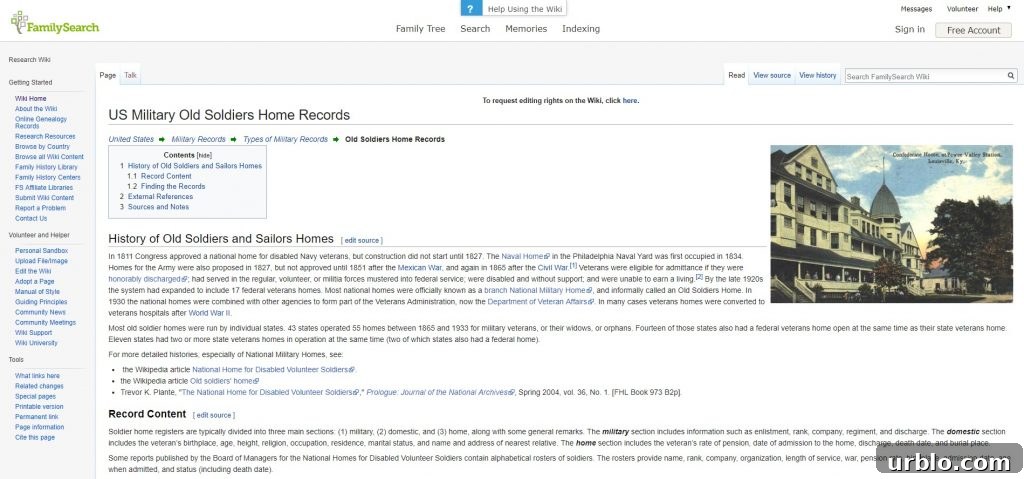
Care homes for aged and disabled veterans have a long history. The federal government approved a national home for Navy veterans as early as 1811, with construction beginning in later years. Over time, both federal and state organizations operated homes for veterans, and many states maintained their own facilities and records.
Admission to Civil War veterans homes was usually voluntary, and a few facilities also admitted women. These institutions kept detailed records for each resident, making them valuable sources for family historians.
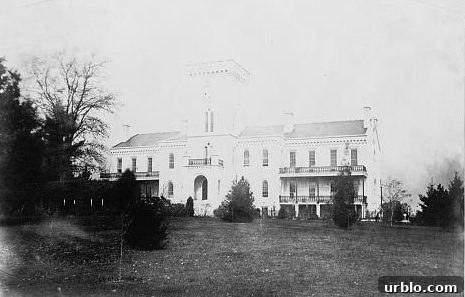
Typical information found in old soldiers home records includes:
- Military details – enlistments, ranks, unit information and discharge dates.
- Personal details – physical description, birth date, nearest relative, and other identifying data.
- Home records – admission and discharge dates, medical information, death dates, and burial locations when applicable.
Researchers interested in Union soldiers may find useful background in publications covering the National Home for Disabled Volunteer Soldiers. Such resources often include guidance specific to genealogical research in the records of those institutions.
How to Find Civil War Veterans Home Records
Locating Civil War veterans home records often requires digging beyond general online databases. Many of these records remain in physical archives or in specialized collections. Here are practical steps to help you uncover them:
- Check state archives for homes run by the state. State archives frequently hold admission registers, correspondence, and medical records for those facilities.
- Contact the state archive’s military archivist or reference staff. Many archives have a staff member who specializes in military records and can point you to relevant collections or search guidance.
- Explore national and regional repositories for records related to federally run soldiers’ homes. Some homes were part of larger systems with centralized record sets or veteran pensions connected to their stays.
- Use compiled lists and catalog entries on major genealogy research sites or institutional catalogs to identify which libraries or archives hold specific home records.
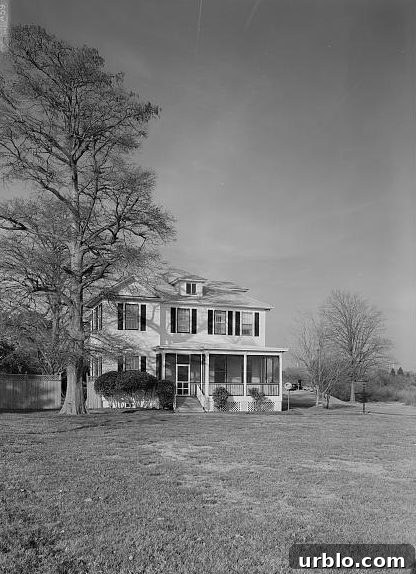
FamilySearch and similar research wikis maintain lists of soldiers’ homes and often note whether records or indices are available online or through the Family History Library. These lists can help you locate specific homes and determine whether records have been digitized or remain in manuscript form.
Now it’s Your Turn
Make a research plan to look for Civil War veterans home records for an ancestor. Start by identifying where the veteran lived and which state or federal home they might have used. Then contact the relevant state archive, national repository, or local historical society to learn what records exist and how to access them.
If you missed earlier posts, you can review the rest of the 31 Days of Out of the Box Genealogy Tips for more research ideas.
Week 1
- Day 1 – Volunteer!
- Day 2 – Genealogy Wikis
- Day 3 – Cemetery Research
- Day 4 – Newspaper Society Pages
- Day 5 – Vertical Files
- Day 6 – Religious Periodicals
- Day 7 – Unplug Your Genealogy
Week 2
- Day 8 – Cultural Periodicals
- Day 9 – Facebook Groups
- Day 10 – DNA Education
- Day 11 – Funeral Records
- Day 12 – Occupational Records
- Day 13 – School Records
::::::::::::::::::
Pin for Future Reference!