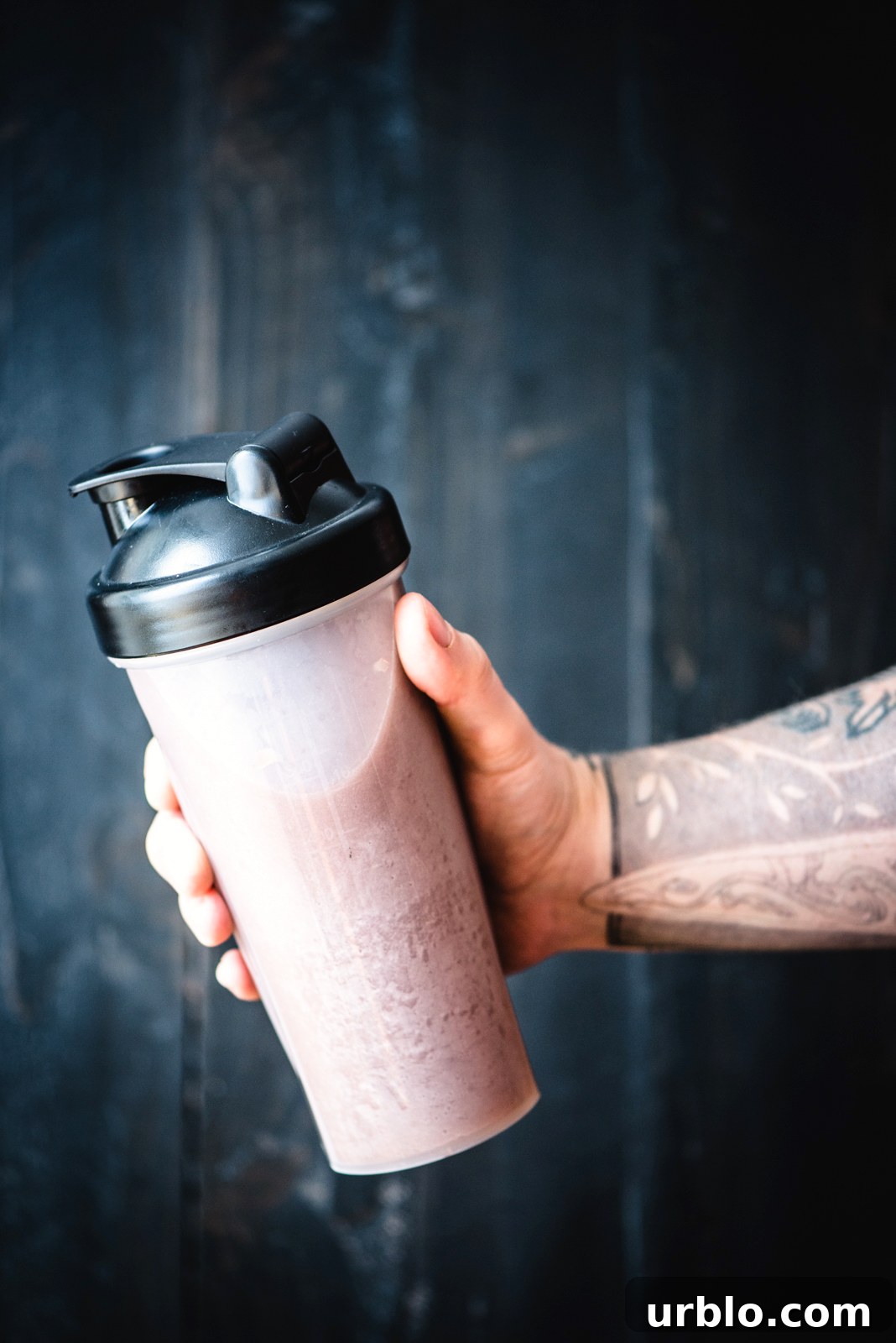
Could finding the best protein powder be any more complicated? (Seriously.)
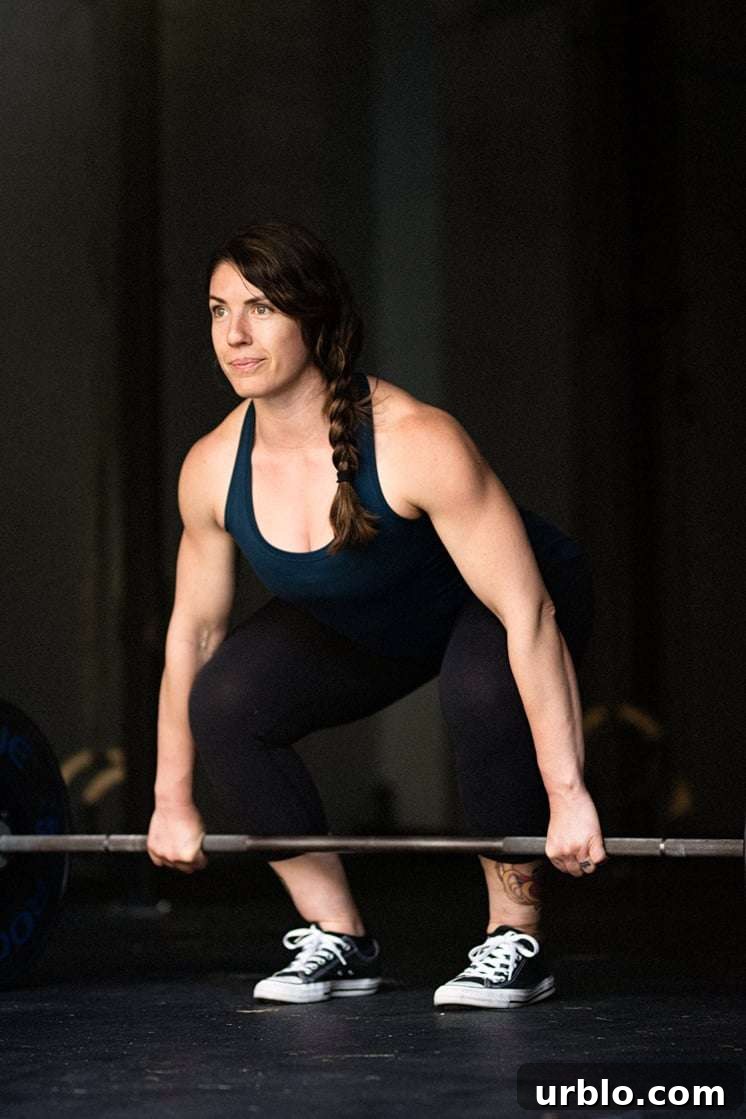
Along with an overwhelming number of products, there’s a lot of conflicting advice about dosing and timing. How much protein do you actually need? Are protein powders necessary at all?
Don’t worry — this guide will help you pick the best protein powder for your needs and explain how to dose it so you get the most muscle-building benefit for your money.
In this post I cover:
- If protein powder is worth adding to your diet.
- How to figure out daily protein needs.
- How to choose the best protein powder for you.
- Different types of protein powder and which are best for various goals.
- What collagen and gelatin deliver and when to use them.
- The role of BCAAs in muscle growth and recovery.
- When to take protein powder around workouts.
Should You Even Add Protein Powder to Your Diet?
Aim to get most of your protein from whole foods—meat, eggs, dairy, and plant sources like beans or tofu.
Protein powders aren’t required for good health; they’re a convenience. In many cases they’re an easy way to add extra protein, especially around workouts, but they’re not nutritionally superior to whole food.
That said, a quick post-workout protein boost can support muscle growth and recovery, so powders can be useful.
If you find that useful, here’s how to choose the right one.
Why you might consider protein powder:
1. You’re training hard.
Building muscle requires more protein than maintaining it. A quality protein powder makes it easier to hit higher protein targets without adding lots of extra meals.
2. You’re busy.
Powders can replace a meal when time is tight, keeping you satisfied and helping balance blood sugar.
3. It’s easy to dose.
Measuring protein by scoop simplifies tracking intake compared with estimating portions of whole foods.
4. It’s convenient.
When you can’t eat 20–40 grams of protein at every meal, a powder helps you stay on target—especially during intense training periods.
5. You digest it easily.
High-quality protein powders are generally easy to digest and quickly supply amino acids to the bloodstream, which supports muscle protein synthesis.
Powders are typically digested faster than whole foods. A burger requires substantial digestion before its amino acids are available for tissue repair. Still, whole food proteins are important because they deliver slower-digesting amino acids that keep levels steady over several hours.
Don’t replace every meal with shakes. If you’re trying to lose a lot of body fat or a shake leaves you hungry, choose solid food instead.
How Much Protein Should You Eat?
Protein needs depend on goals, body weight, and training volume.
If you’re training to build muscle, start around 0.7 grams per pound of bodyweight and work up toward 0.9 grams per pound as needed.
For example, a 155-pound person who trains frequently might aim for roughly 110–140 grams of protein per day, with 155 grams as an upper target if very active.
Higher protein helps with satiety and can assist weight loss by increasing fullness and supporting a higher metabolic rate.
If you don’t want to calculate, aim for 20–40 grams of protein at each meal. That range supports muscle protein synthesis and recovery—about the amount in 4 ounces of meat or a serving of a quality protein powder.
How to Choose the Best Protein Powder
There are far too many products on the market. Use these criteria to narrow your choices:
First, the basics:
1. Fewer ingredients is better.
Prefer powders with five ingredients or fewer and minimal sweeteners or fillers.
2. Pick a powder that suits your digestion.
Whey is popular and often available as an isolate that’s low in lactose and casein. If dairy bothers you, consider egg white, beef isolate, or a quality plant-based blend.
3. Choose a bioavailable, complete protein.
Different proteins absorb at different rates—complete proteins give you a full amino acid profile to support muscle repair.
4. It should taste good.
If it doesn’t taste pleasant, you’re unlikely to use it consistently.
Now let’s look at the main types so you can decide which fits your goals.
Types of Protein Powders and Which is Best
Whey protein
Whey offers a complete amino acid profile and is rapidly absorbed. Whey isolates reduce components like lactose or casein that can cause issues for some people. Whey also contains bioactive peptides that may aid sleep and reduce stress.
Whey often provides the best combination of quality, value, and effectiveness for many people.
Egg white protein powder
Egg white protein is highly bioavailable and complete. Manufacturers usually omit yolks because they oxidize during processing. If you can tolerate eggs and want a non-dairy option with strong bioavailability, egg white protein is a solid choice—though you miss the micronutrients found in yolks.
Plant-based protein powders
Plant proteins can work, but they’re generally less protein-dense and may be incomplete. Many plant powders blend sources (pea + rice) to improve the amino acid profile. Biological value scores for plant proteins are typically lower than animal proteins, so you may need larger servings.
Considerations for plant-based powders:
- Choose blends to ensure a complete amino acid profile.
- Pea protein can be high in oligosaccharides, which some people find hard on the gut; some manufacturers process these out.
Isn’t Grass-Fed Collagen the Best Protein Powder?
Collagen and gelatin have become popular and offer specific benefits—glycine, proline, and hydroxyproline help support connective tissue, skin, and joints. They’re useful supplements, especially as we age, and can fill nutritional gaps that many diets miss.
However, collagen and gelatin are not ideal as a primary post-workout protein. They are low in branched-chain amino acids (BCAAs), particularly leucine, which is important for triggering muscle protein synthesis. Studies comparing whey to collagen show whey produces greater increases in muscle protein synthesis when the goal is muscle building.
Use collagen for joint, skin, and connective tissue support, but rely on complete proteins for post-workout recovery if your goal is muscle growth.
BCAAs for Muscle Building and Recovery
BCAAs—leucine, isoleucine, and valine—are essential amino acids found in animal proteins. Leucine is especially important for initiating muscle protein synthesis. If you eat adequate animal protein, separate BCAA supplements are usually unnecessary, but ensuring sufficient leucine in your post-workout protein is important for optimal recovery.
Leucine: Key trigger for muscle protein synthesis.
Isoleucine: Helps cells take up glucose for energy and aids recovery.
Valine: Serves as an energy source for muscle and supports repair.
Make sure your protein choice provides enough leucine and the other essential amino acids if you’re training hard.
When Should You Take Protein Powder for Muscle Building?
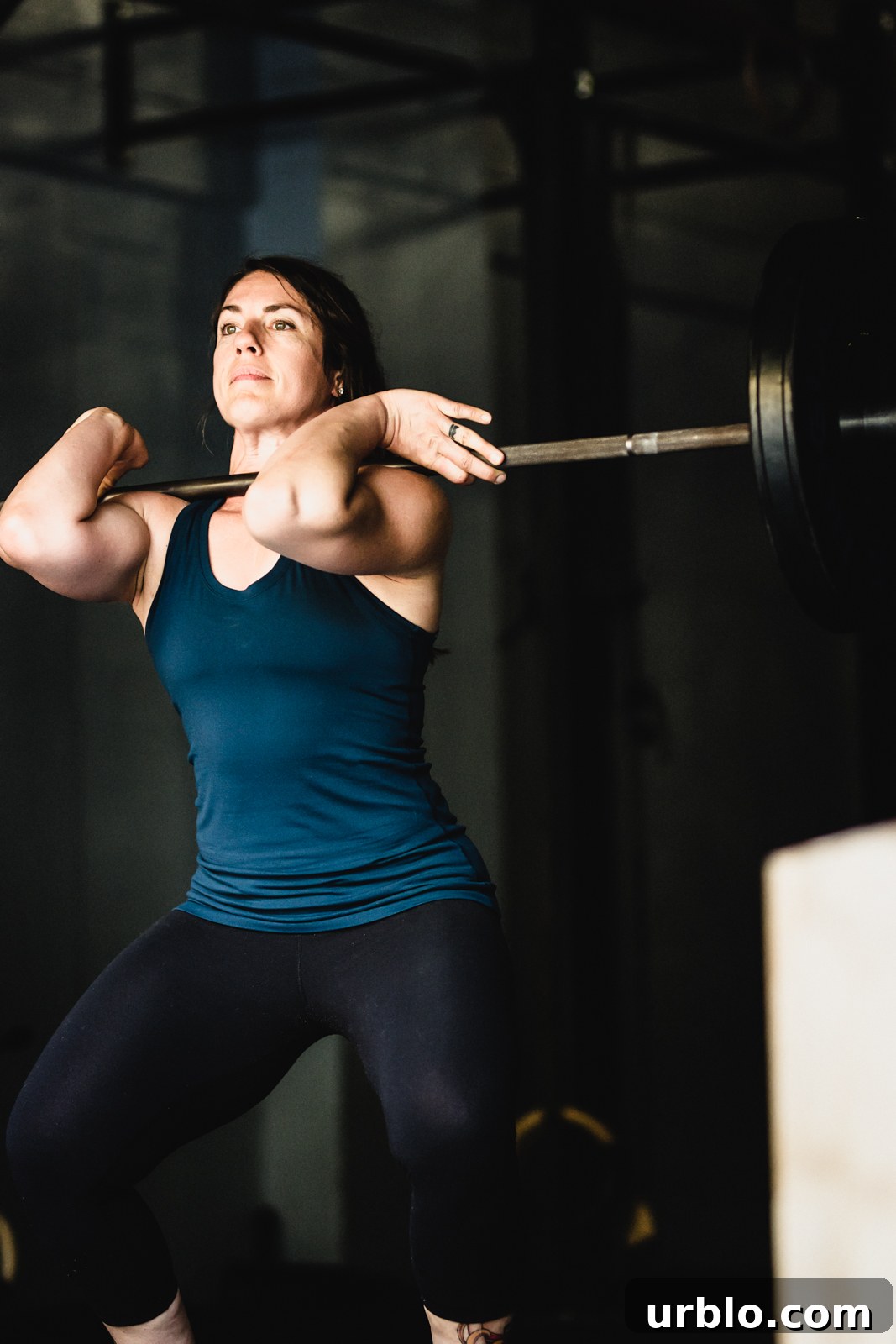
Timing matters more when you train frequently or intensely. For most athletes, a protein-rich pre-workout snack within about an hour of training and a post-workout refuel of 20–40 grams of complete protein within about 30 minutes is effective for recovery and muscle building.
Avoid adding a lot of extra fat to post-workout shakes because fat slows gastric emptying and delays amino acid delivery.
Protein powders are convenient for pre- and post-workout nutrition and are helpful when workouts suppress appetite and eating solid protein immediately is difficult.
I hope this helps you choose the best protein powder for your body and goals. If you have specific questions about products or timing, leave them below.
Questions about choosing a protein powder? Leave them below.
This post was updated October 9, 2021.