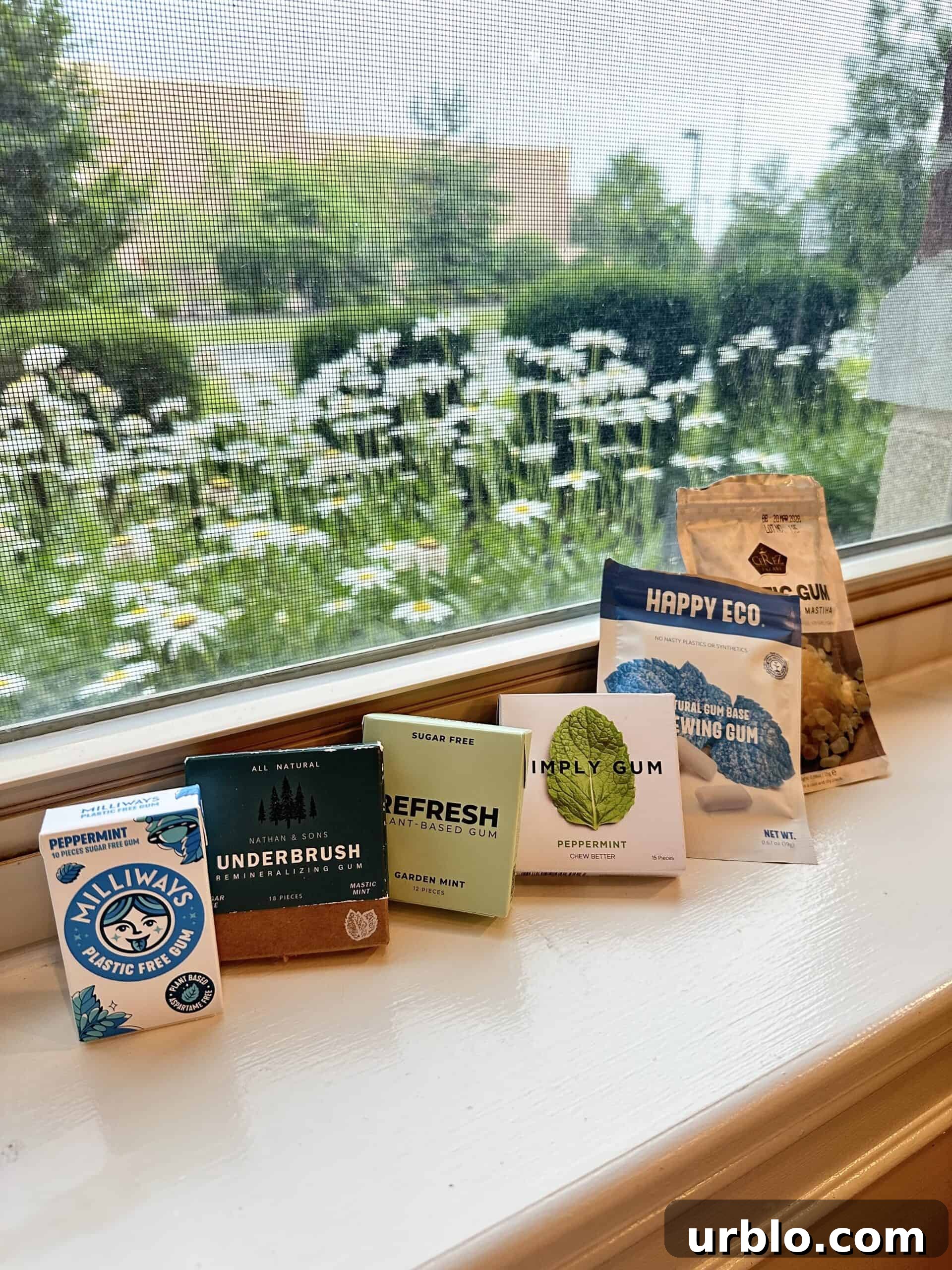
Yes—most commercial chewing gum contains plastic.
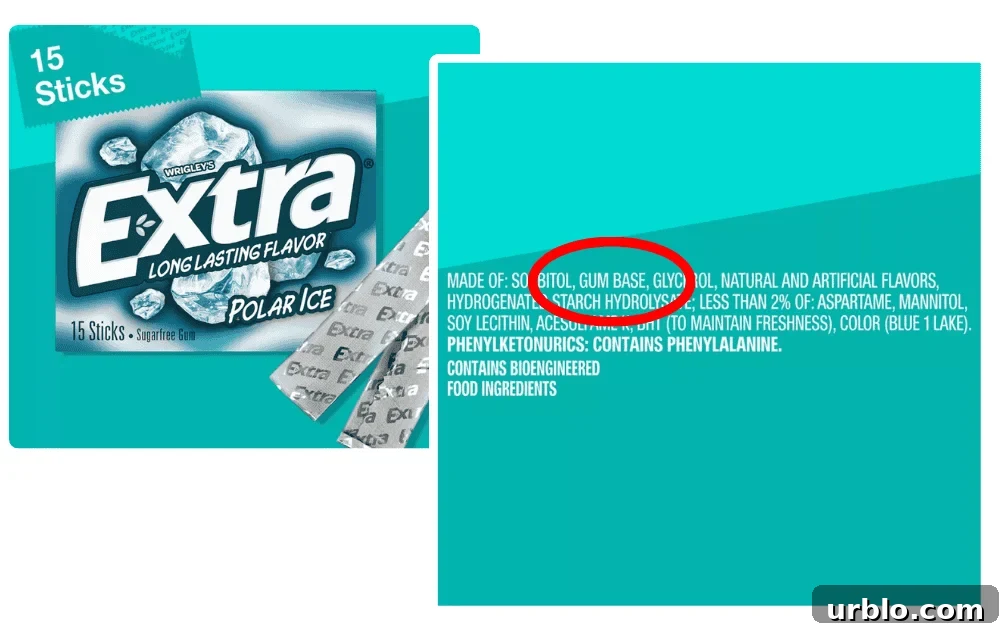
You won’t always see it listed on the ingredient label because it’s hidden in the ambiguous term “gum base.”
I tested several brands that advertise themselves as plastic-free or natural to find more honest options. This guide summarizes the science, the regulatory gaps, practical tips to reduce microplastic exposure, and my hands-on reviews of multiple plastic-free gum brands. Read the disclaimer in the next section about “natural” gum before you buy.
What this guide includes:
- Most Gum Contains Plastic
- A Single Piece of Gum Releases Hundreds of Microplastics
- What About Nanoplastics?
- A Big, Fat Disclaimer About Natural Chewing Gum
- Soooo… Should You Stop Chewing Gum Completely?
- How to Reduce Microplastic Exposure from Chewing Gum
- My Reviews Of 8 “Plastic-Free” Gum Brands
- How I Did My Reviews
- Underbrush by Nathan & Sons
- Milliways
- Refresh
- Enamio
- Chewsy
- Simply Gum
- Happy Eco
- Cerez Pazari Mastic Gum
- Mystic Gum
- More Non-Toxic Gum Brands to Consider
This guide includes product recommendations; compensation may be received for purchases through some links. Recommendations reflect the author’s judgments.
Most Gum Contains Plastic
The ingredient labeled “gum base” is intentionally vague. Regulatory authorities allow dozens of ingredients to be listed under that umbrella, and manufacturers usually are not required to disclose the specific components of their gum base.
Gum base can include natural materials like chicle, but it often contains petroleum-derived ingredients such as polyvinyl acetate (PVA) and polyisobutylene. These are polymers and synthetic rubbers used in many industrial applications. Because manufacturers can simply list “gum base,” consumers cannot tell from the package whether a gum contains synthetic plastics.
A Single Piece of Gum Releases Hundreds of Microplastics
A recent pilot study measured microplastic particles released into saliva when people chewed commercial gum. The study found on average more than 600 microplastic particles per gram of gum were released into saliva. Since a typical piece of gum weighs about 1.5–2.5 grams, that translates to roughly 900–1,500 microplastic particles per fresh piece on average.
Microplastics have now been detected in many human tissues and fluids, and research is investigating links between microplastic exposure and a range of health effects. The study cited above focused on particles roughly 20 micrometers and larger, which are detectable with current methods.
What About Nano plastics?
The pilot study could not reliably detect nanoparticles. The lead researcher noted that smaller nanoplastic particles may also be released during chewing, but different analytical approaches are required to measure those accurately. More research is needed.
A Big, Fat Disclaimer About Natural Chewing Gum
Researchers tested both synthetic and products labeled “natural” and found a surprising result: both categories released similar amounts and types of polymer particles into saliva. Identified polymers included polyolefins, PETs, polyacrylamides, and polystyrenes.
There are several possible explanations:
- The “natural” products tested might not be fully natural; some brands that market as natural still list “gum base” or other ambiguous ingredients on the label.
- Contamination could occur during manufacturing, handling, or packaging (plastic gloves, conveyor belts, or equipment).
- Raw plant or tree-derived ingredients could already contain microplastics from environmental contamination in soil, water, or air.
Because the study didn’t disclose which brands were included or publish full methodology at the time, it’s hard to draw definitive conclusions. Some natural-manufacturer responses suggest analytical methods may sometimes classify natural rubber-like polymers similarly to synthetic plastics. More transparent, standardized testing is needed.
One practical point raised by natural-gum makers: truly natural gum components (for example, tree saps and plant resins) will biodegrade over time, while synthetic components may fragment into additional microplastics.
Soooo… Should You Stop Chewing Gum Completely?
That decision is personal. If you don’t chew much, stopping entirely is an easy precaution until more research clarifies which brands and manufacturing processes are safe. If you’re a regular chewer and reluctant to stop, there are reasonable steps to reduce exposure.
How to Reduce Microplastic Exposure from Chewing Gum
Tips to lower microplastic intake from gum:
- Chew one piece longer: The study showed most particles detached within the first two minutes, and by eight minutes about 94% of released particles had been shed. Chewing a single piece longer reduces the number of pieces you go through and lowers cumulative exposure.
- Avoid ambiguous “gum base” listings: Prefer brands that fully disclose ingredients for their gum base rather than listing the vague term “gum base” or “natural gum base.”
- Protect children: Kids are more vulnerable to toxic exposures, so limiting gum for children is sensible.
My Reviews Of 8 “Plastic-Free” Gum Brands
How I Did My Reviews
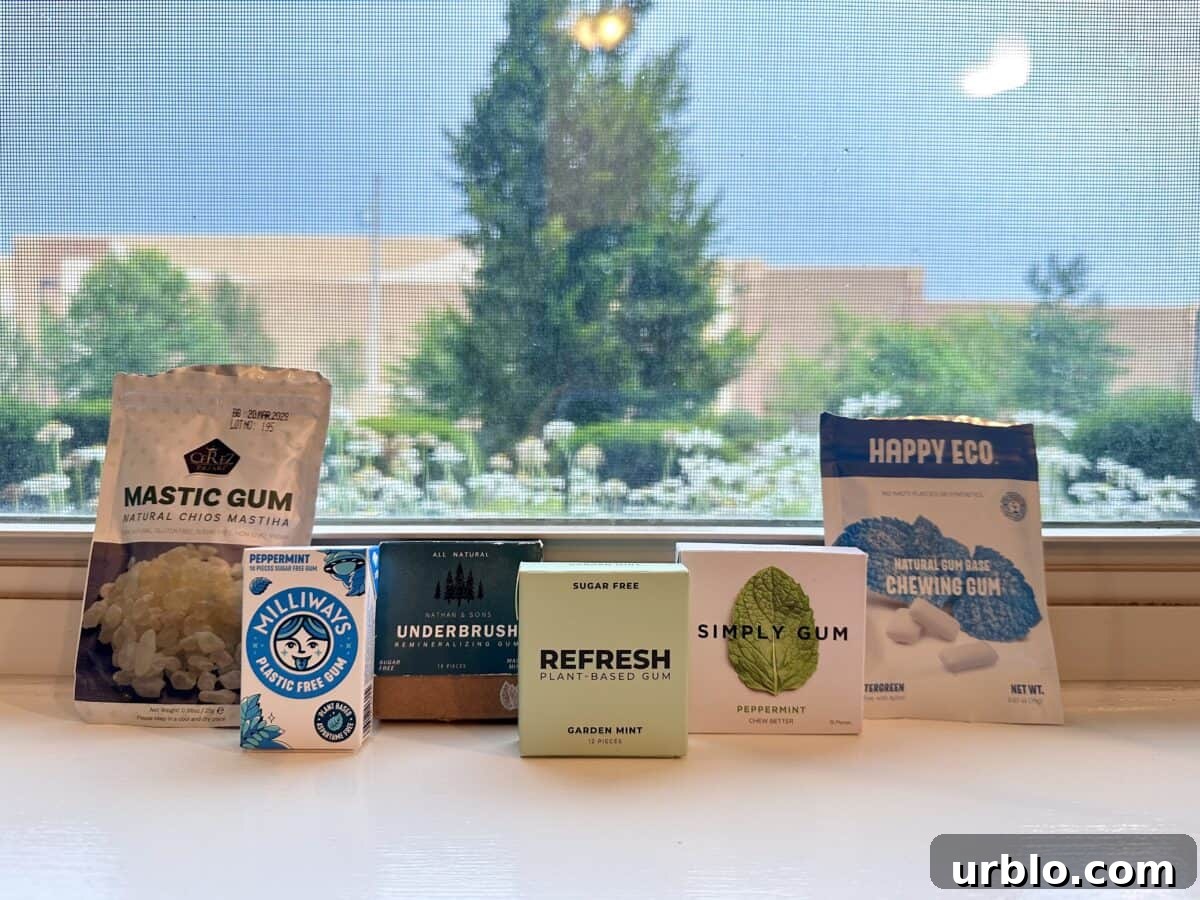
I researched and purchased multiple gum brands that advertise natural or plastic-free formulations and that ship to the U.S. I focused on products using ingredients such as chicle, mastic, gum arabic, and plant waxes like carnauba or candelilla. For consistency, I mostly tested mint flavors and chewed each piece for at least an hour unless the texture or taste made that impractical. Below are concise, practical impressions: flavor, texture, longevity, portability, and transparency of ingredients.
Underbrush by Nathan & Sons
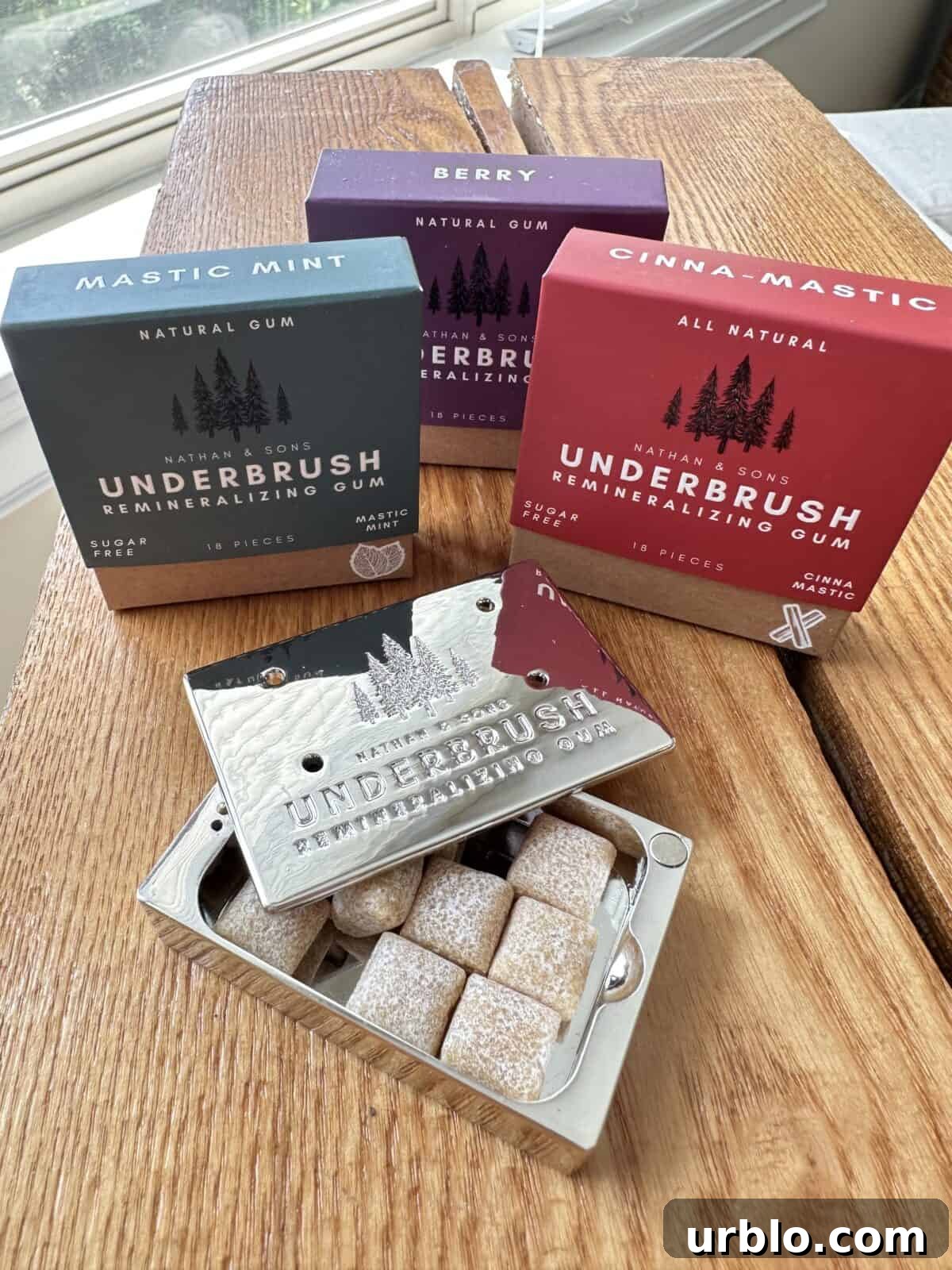
Highly transparent about ingredients, including sourced organic components. Uses nano-hydroxyapatite for remineralization (they confirmed use of rod-shaped nHAp approved in EU reviews). Texture is firmer at first but softens and lasts over an hour. Flavor strength is moderate. Not vegan (contains egg shell powder). Good packaging and responsiveness from the company. Watch for counterfeit products.
Milliways
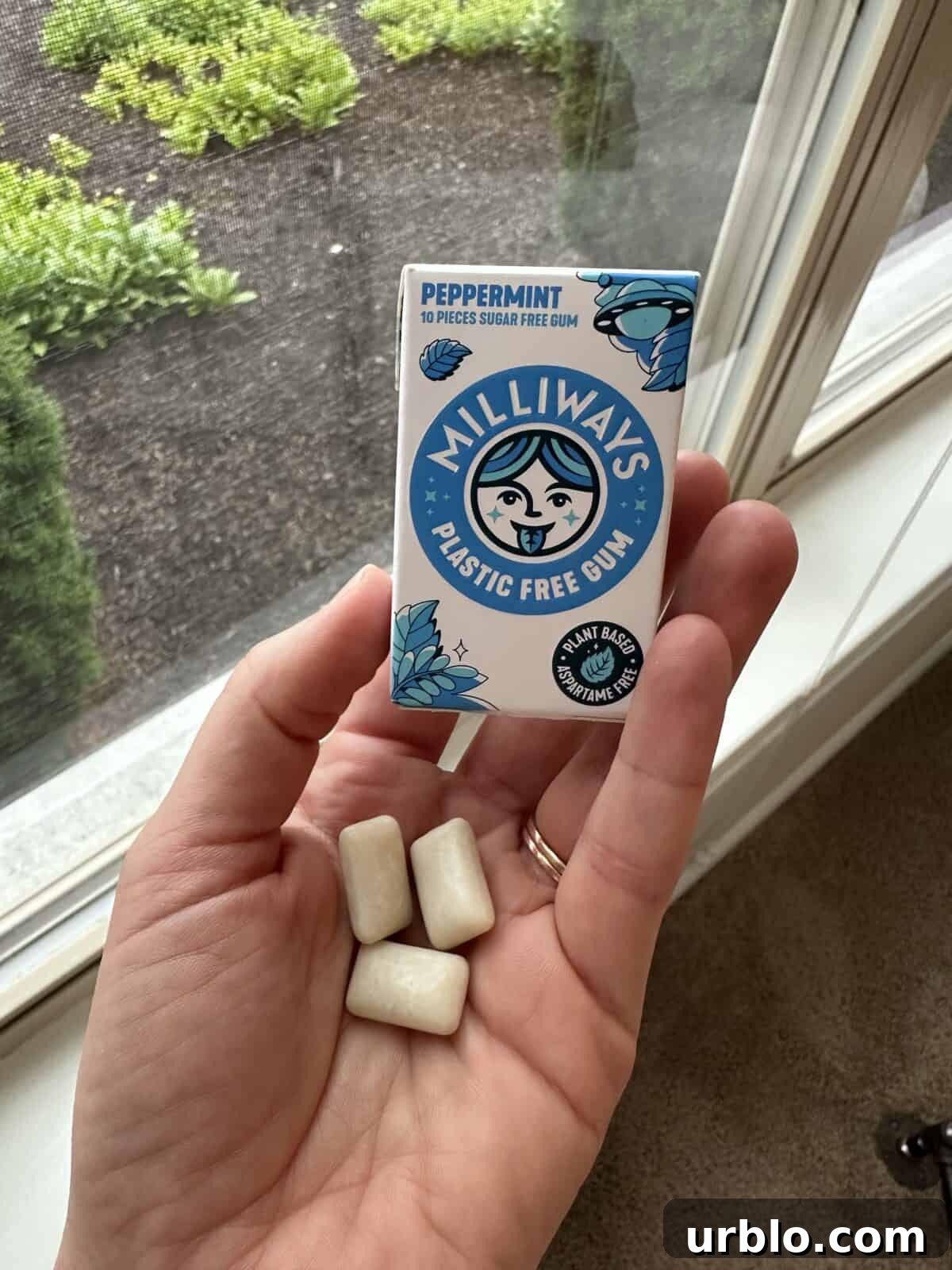
Vegan, sugar-free, plastic-free packaging, and a pleasant peppermint. The box lists “natural gum base” but the website discloses components like gum arabic and chicle sap. Texture starts firm and becomes pleasant; flavor lasts over an hour.
Refresh
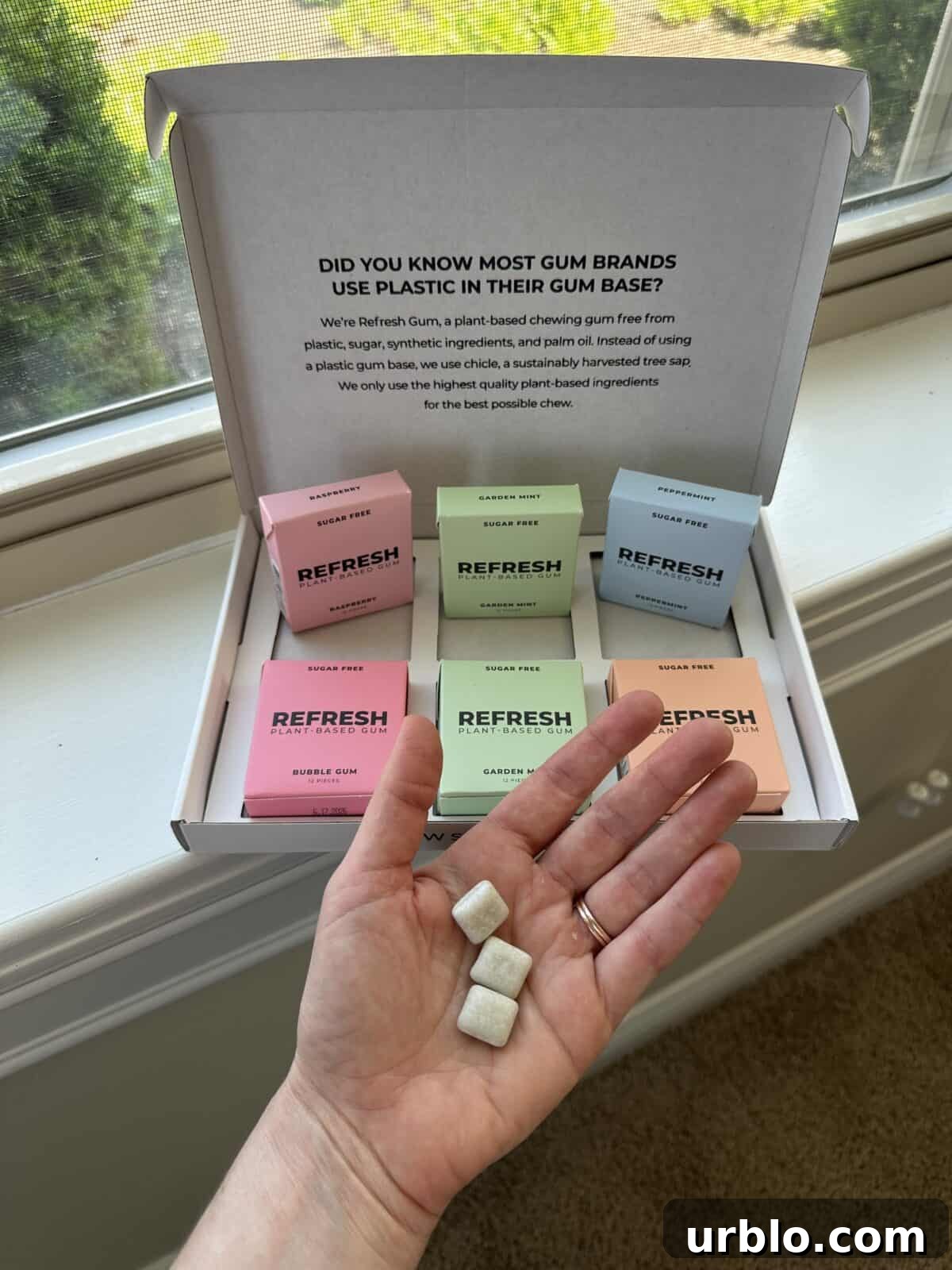
Very strong mint — the most intense of those I tried. Sugar-free and certified vegan. Uses “natural flavors” and plant juices for color, which are ambiguous ingredients. Texture is firm at first and softens; flavor longevity is good.
Enamio
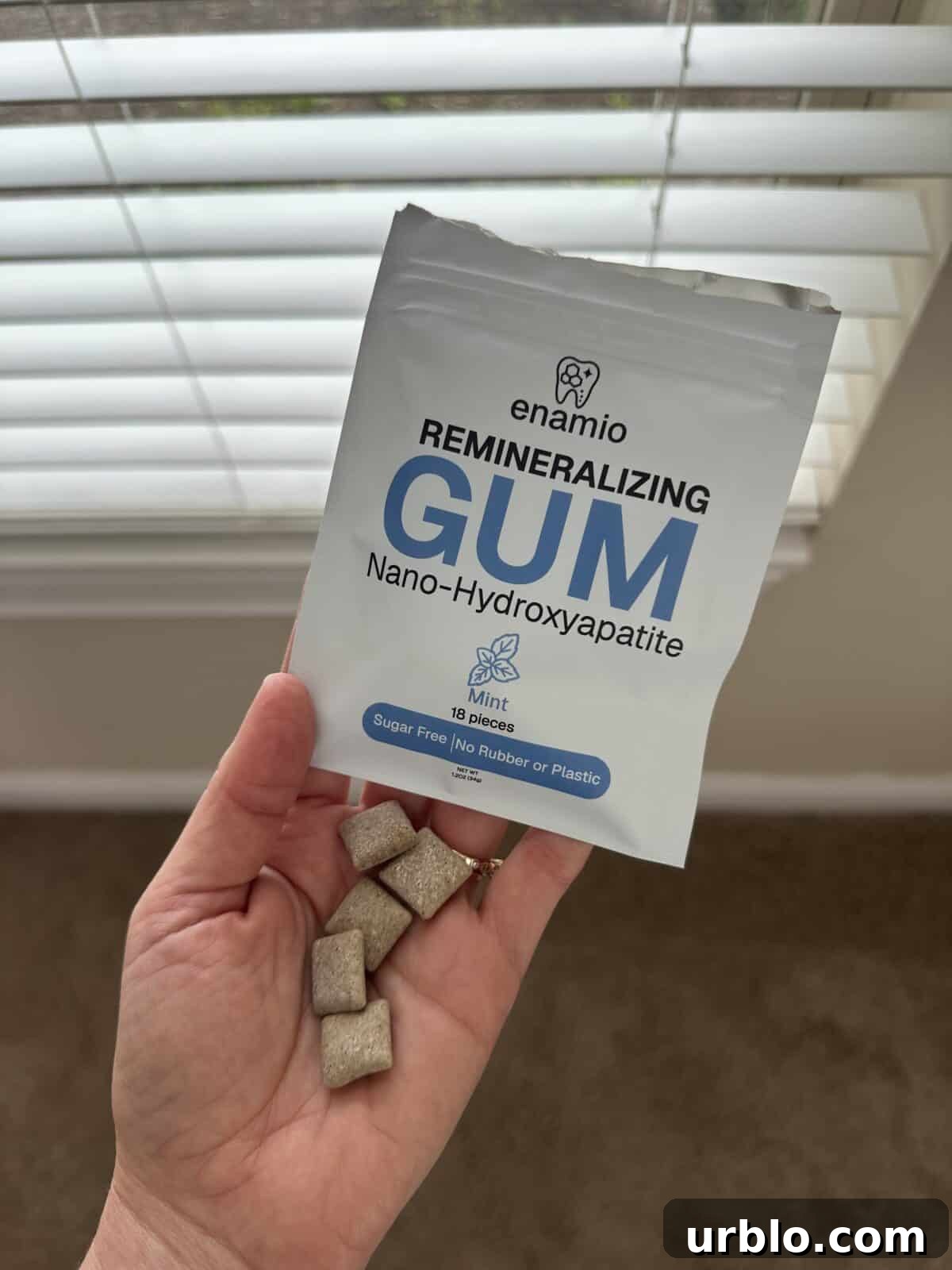
Remineralizing gum using rod-shaped nano-hydroxyapatite sourced from Matexcel (reported 20 nm). Strong mint flavor, good texture that holds together, and resealable packaging—though the packaging is plastic. Good for breath freshness and longevity.
Chewsy
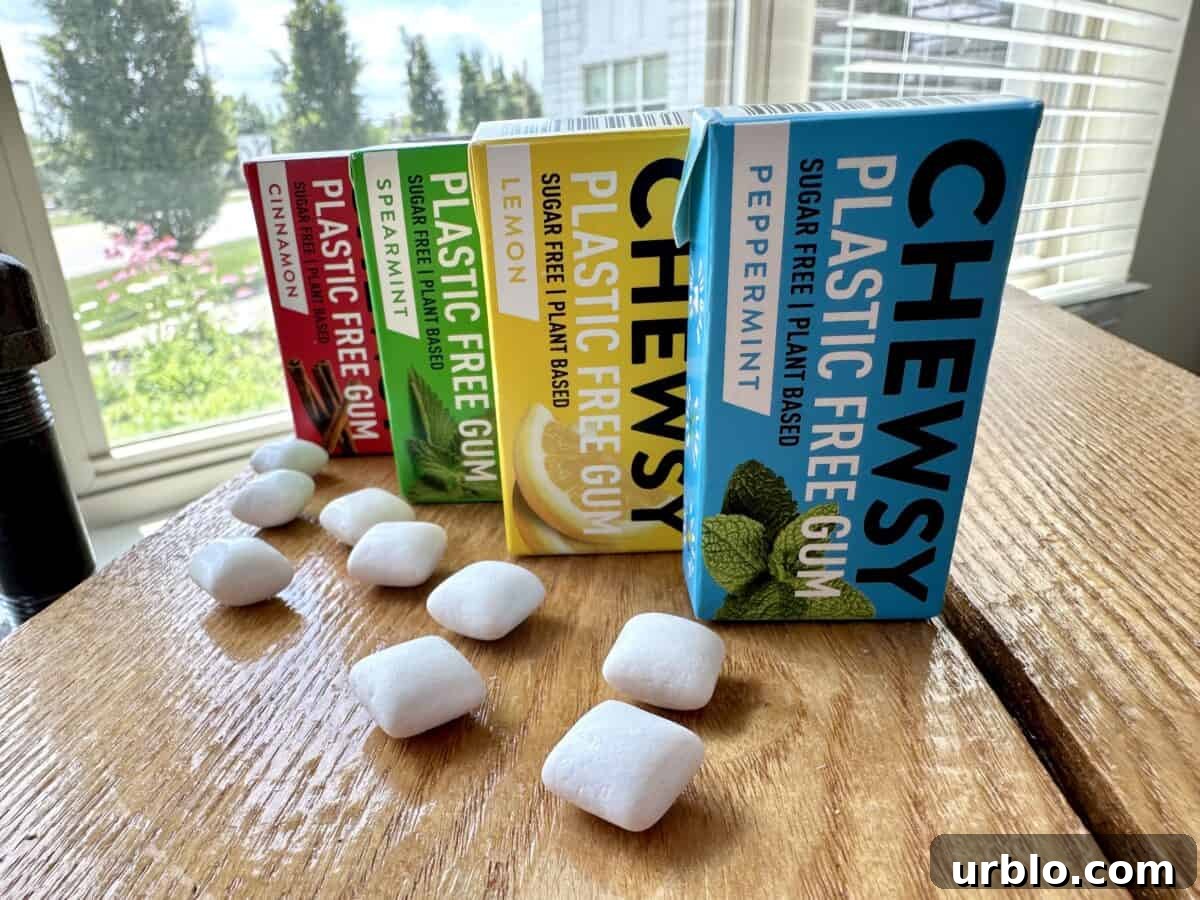
Vegan and free from sugar and aspartame. Contains “natural flavour” on the label, which is a vague term. Texture and flavor are pleasant; peppermint holds well. Overall a sweeter profile among the natural options.
Simply Gum
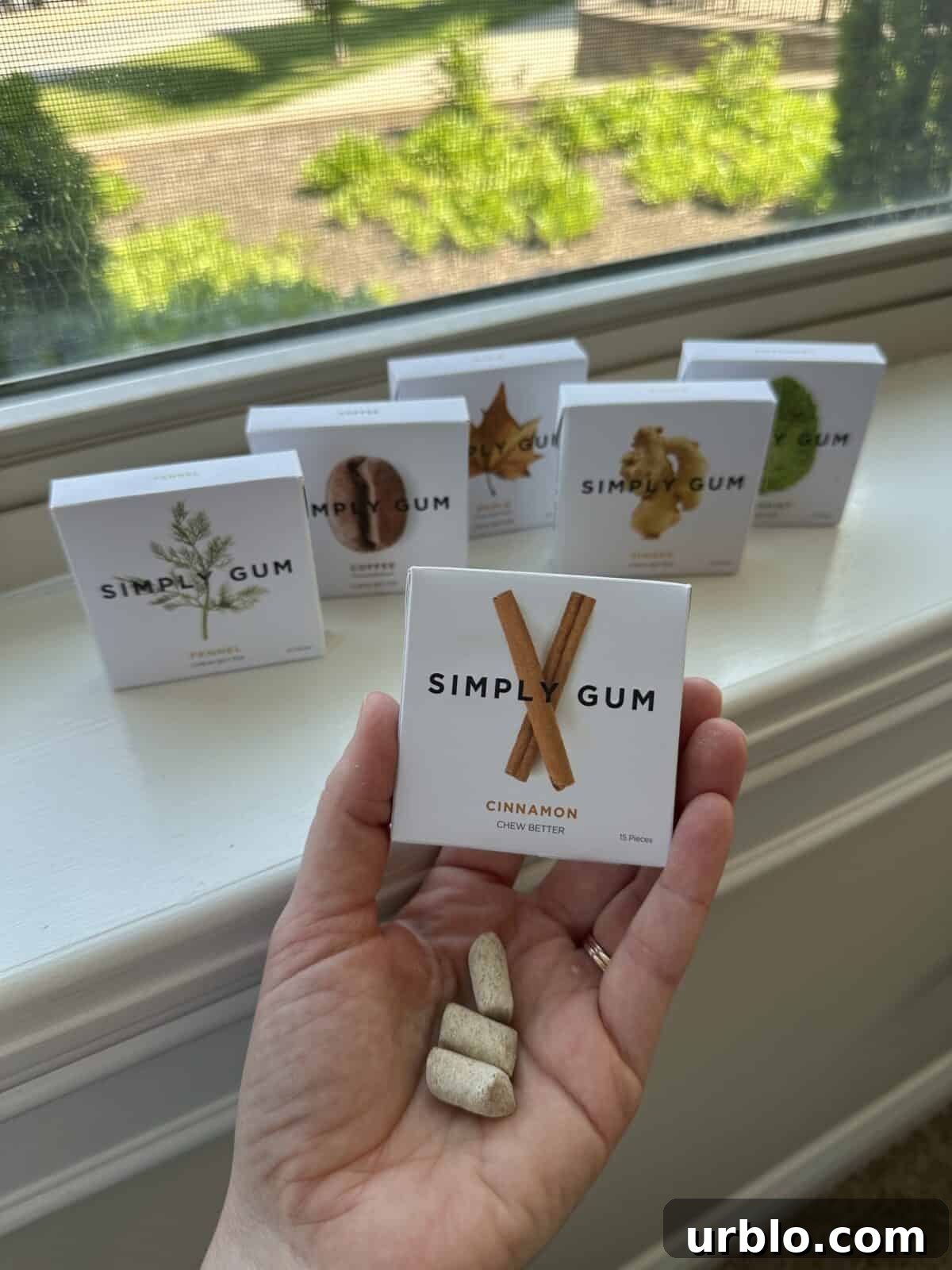
One of the earliest brands to offer chicle-based gum. Ingredient transparency is generally good for certain flavors (several do not use “natural flavors” or an undetailed gum base). The texture can be stickier and more stringy than other brands and initial chewing is firmer. Includes handy post-chew wraps in the packaging.
Happy Eco
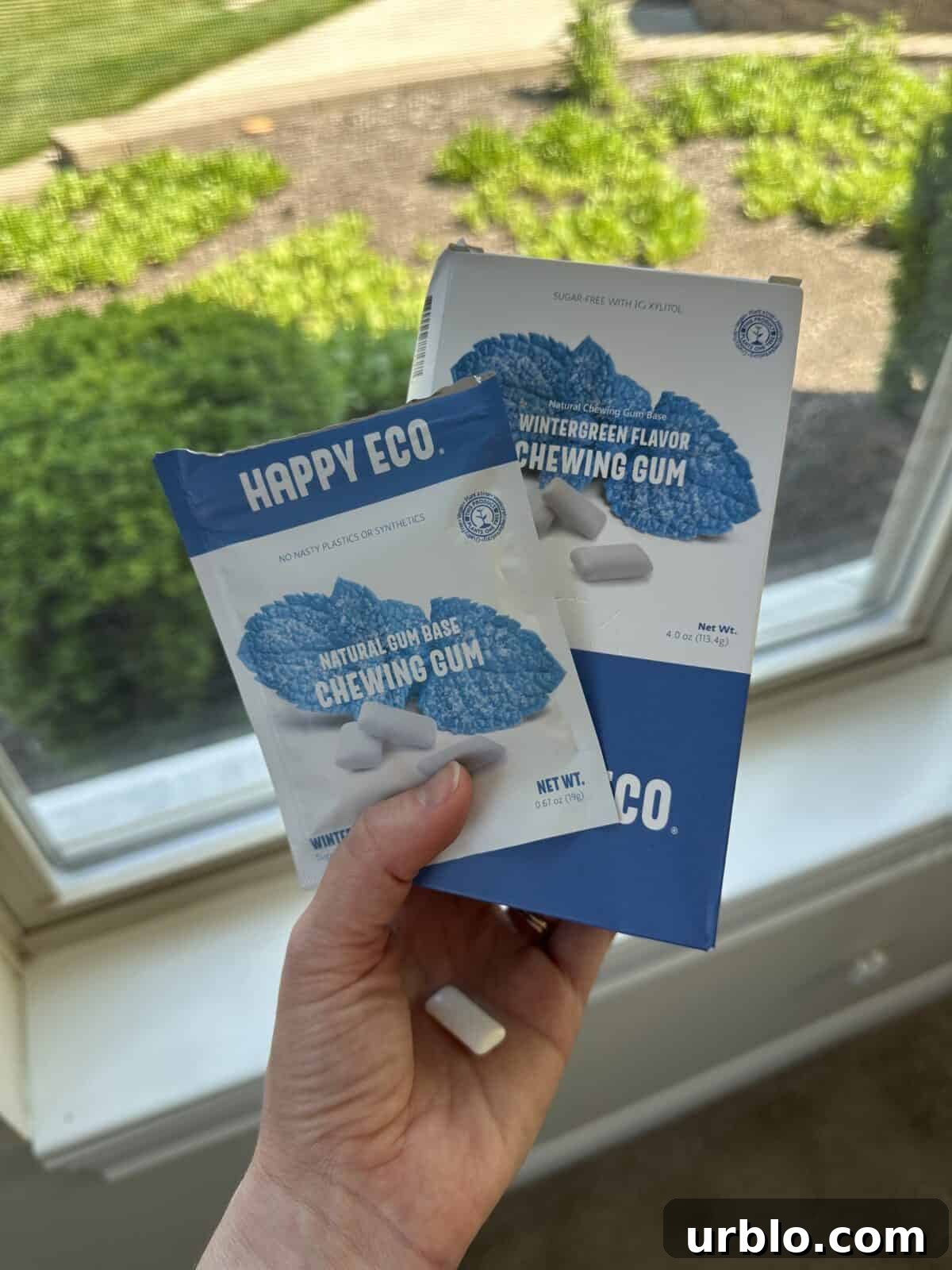
Aspartame-free, sugar-free, vegan, and claims one tree planted per purchase. Convenient, pocket-friendly resealable plastic bag packaging. The product lists “natural gum base” without detailed disclosure, which reduces trust in ingredient transparency.
Cerez Pazari Mastic Gum
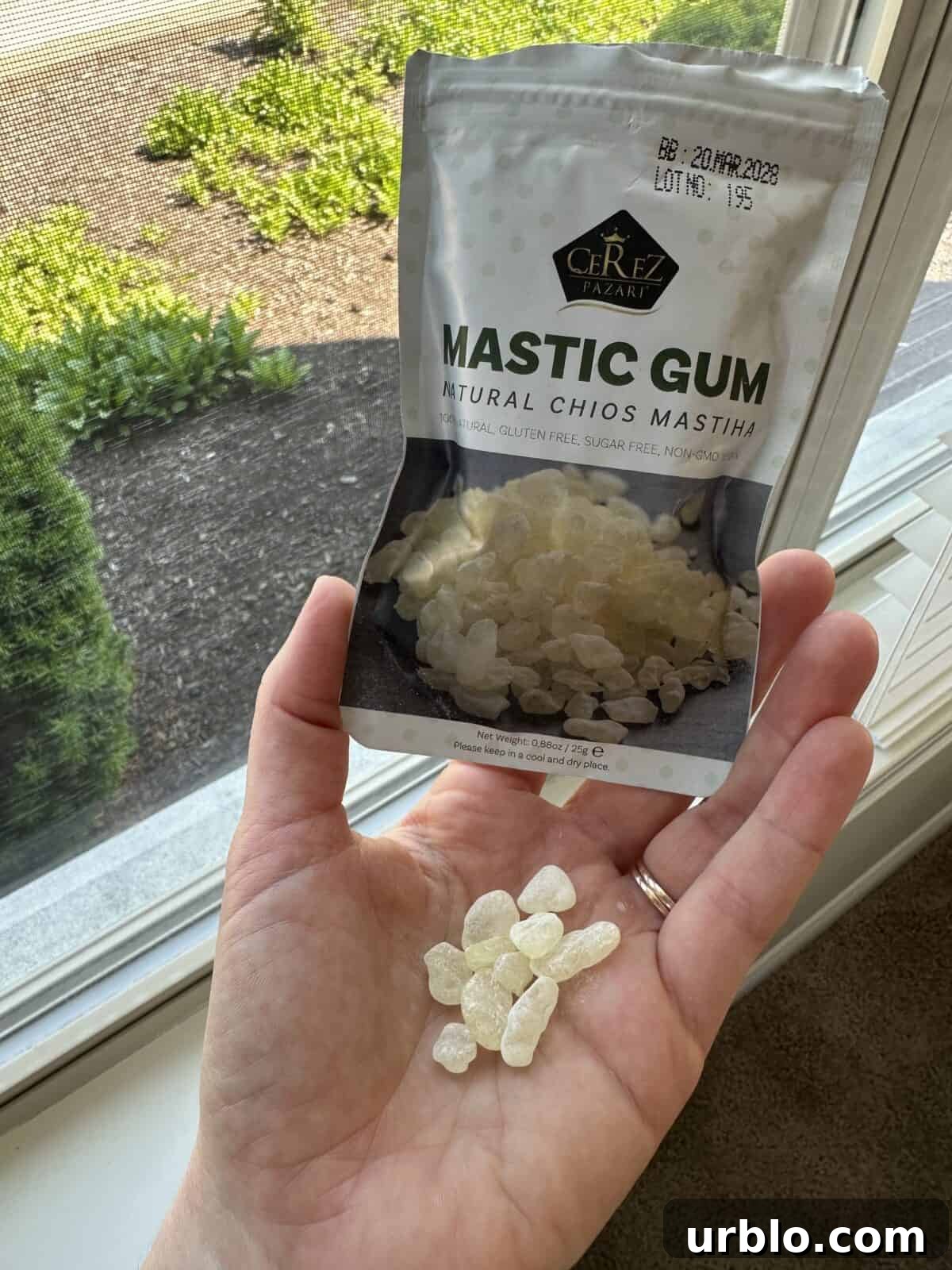
Made from pure mastic resin sourced from Chios. Only unflavored mastic is listed. I did not enjoy the flavor or the very hard texture—this product is closer to a traditional mastic chew or jaw exerciser than modern chewing gum. Not recommended if you expect soft, minty gum.
Mystic Gum
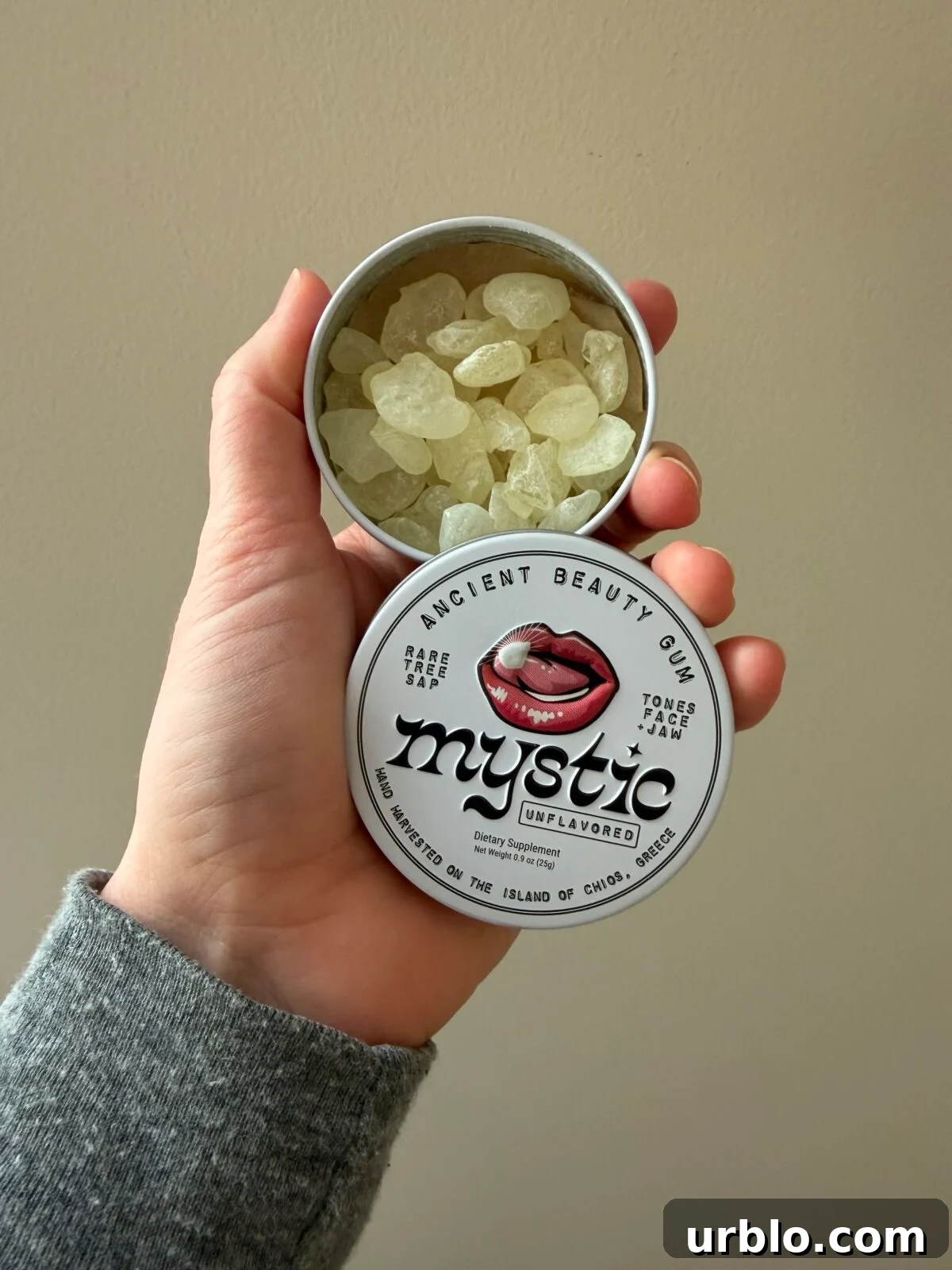
Also a mastic-only product. The tin is a sturdy, plastic-free container, but the chewing experience is similar to other pure mastic gums: hard, earthy, and not closely comparable to conventional commercial gum.
More Non-Toxic Gum Brands to Consider
- Chicza — a well-regarded natural gum (limited availability in the U.S.).
- Georganics — an option for U.K. shoppers.
- Nuud — another U.K.-based option (contains “natural flavoring”).
Will the study change your gum habits? Have you tried any of these brands? Share your experience in the comments.