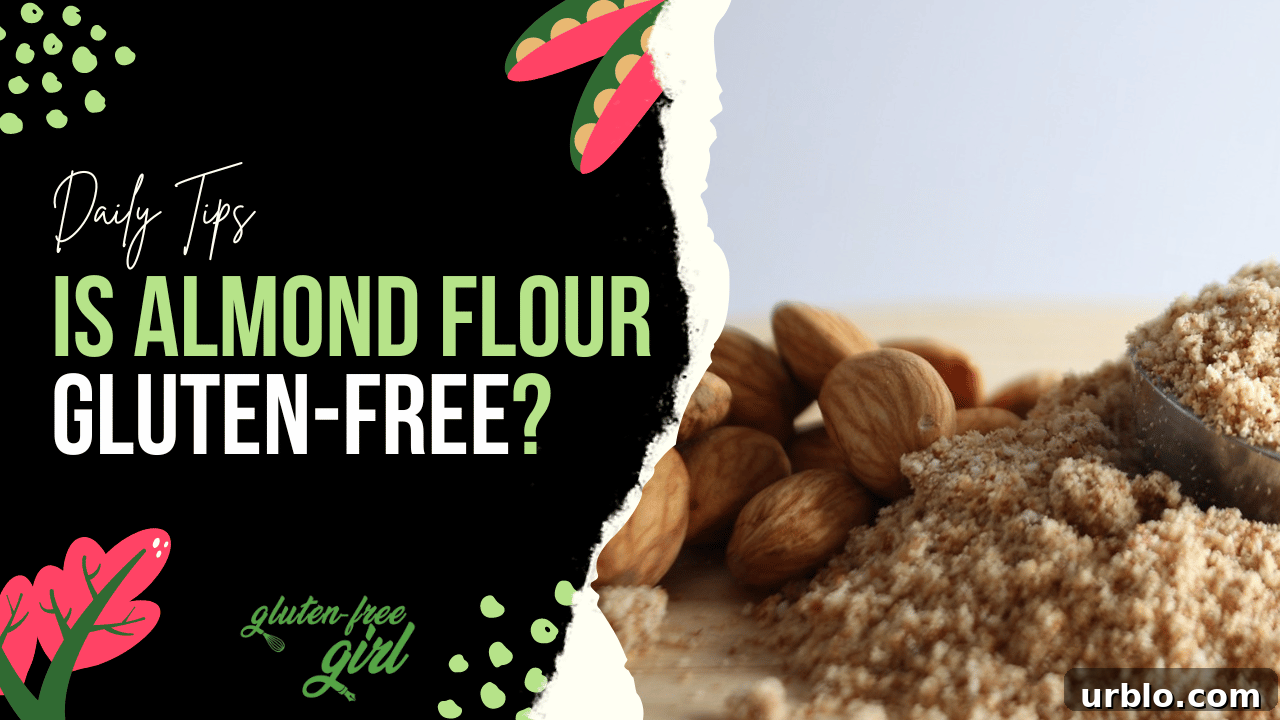
Yes, Almond Flour is Gluten-Free. Almond flour is made from ground almonds, a nut rather than a grain, and almonds contain no gluten. This makes almond flour a naturally gluten-free ingredient and a popular choice for those avoiding wheat, barley, or rye.
Because it is gluten-free, almond flour is suitable for people with celiac disease and those with non-celiac gluten sensitivity. It is often used in gluten-free baking and cooking to create breads, cakes, cookies, and savory dishes without the texture issues that can arise when removing gluten. Almonds also contain nutrients and healthy fats and are commonly included in anti-inflammatory eating patterns, which can benefit people with conditions linked to inflammation.
Celiac disease is an autoimmune disorder in which ingestion of gluten damages the small intestine and impairs nutrient absorption. People with celiac disease must avoid gluten completely to prevent intestinal injury and related complications. For those individuals, almond flour provides a safe, grain-free alternative when prepared and handled in a gluten-free environment.
Can a Patient with Celiac Eat Almond Flour?
Yes. Almond flour itself is safe for people with celiac disease because it does not contain gluten. Patients with celiac disease rely on a strict gluten-free diet to prevent immune-mediated damage to the small intestine, so using almond flour as a substitute for wheat-based flours is a common and effective strategy.
However, it is important to consider cross-contamination. Gluten can be introduced if almond flour is processed or stored in facilities that also handle gluten-containing grains or if recipes include ingredients that contain gluten. To be confident that almond flour is safe, choose products labeled or certified gluten-free and check ingredient lists for any hidden sources of gluten.
What Gluten-Free Recipes Can You Cook with Almond Flour?
Almond flour is versatile and works well in a wide range of gluten-free recipes. Examples include:
- Almond Flour Pancakes: Light and tender pancakes made from almond flour, eggs, baking powder, and milk or a dairy-free alternative. They deliver a nutty flavor and fluffy texture.
- Almond Flour Banana Bread: Moist, dense banana bread using almond flour for a rich texture; can be sweetened with maple syrup or honey and topped with chocolate or nuts.
- Almond Flour Blueberry Muffins: Soft muffins combining almond flour with gluten-free binders like tapioca or coconut flour and fresh or frozen blueberries.
- Almond Flour Loaf Cake with Honey-Roasted Figs: A moist loaf cake where almond flour provides a buttery crumb, enhanced by caramelized figs and a scoop of vanilla ice cream if desired.
- Gluten-Free Funfetti Cookies: Chewy cookies made from almond flour and a small amount of tapioca or another gluten-free starch, studded with sprinkles.
- Lemon Bars with Almond Flour Shortbread Crust: Tangy lemon filling on a crisp almond-flour shortbread base for a naturally nutty gluten-free dessert.
- Coconut, Almond, and Quinoa Breakfast Cakes: Savory or slightly sweet breakfast cakes combining almond flour with quinoa and coconut for texture and nutrition; easily made vegan with substitutions.
- Chocolate Chip Almond Flour Muffins: Muffins sweetened with date paste or another natural sweetener and studded with chocolate chips, nuts, or dried fruit.
- Gluten-Free Almond Flour Chocolate Cake: A rich, dense chocolate cake using almond flour and other gluten-free flours for structure and fudgy texture.
- Keto Almond Flour Waffles: Low-carb waffles using almond flour and whipped egg whites for a crisp exterior and tender interior.
- Jumbo Grain-Free Tahini Chocolate Chunk Cookie: A large single-serve cookie made with almond flour, tahini, and chocolate chunks for a gooey treat.
- Frosted Vegan Pumpkin Cookies: Soft, spiced pumpkin cookies made with almond flour, oat flour, coconut oil, and maple syrup, topped with vegan frosting.
- Cinnamon Roll Bread: A loaf-style cinnamon bread made with almond flour and finished with a vanilla glaze; leftovers freeze well.
- Blueberry Gluten-Free Scones: Tender scones made with almond flour that retain a crumbly, delicate texture and pair well with fruit and herbs.
- 4-Ingredient Almond Flour Crackers: Simple, crisp crackers made from almond flour and a few pantry staples, often including flaxseed for binding and texture.
- Paleo Almond Flour Kitchen Sink Cookies: Hearty, portable cookies made with almond flour, almond butter, seeds, and mix-ins—great for snacks and hikes.
Almond flour can replace wheat flour in many recipes, but some formulations require a small amount of gluten-free starch or binder to achieve the desired texture. Experimentation and reliable recipes help produce the best results.
How to Keep Almond Flour Dishes Gluten-free?
To ensure dishes made with almond flour remain gluten-free, follow these practices:
- Choose certified gluten-free almond flour whenever possible to reduce the risk of cross-contamination during processing.
- Read ingredient labels for all additions to the recipe—baking powder, extracts, and pre-mixed spices can sometimes contain gluten.
- Avoid cross-contamination by using dedicated utensils, bowls, baking sheets, and storage containers for gluten-free cooking.
- Keep separate preparation surfaces and clean them thoroughly before making gluten-free foods if they have been used for gluten-containing items.
- Avoid shared cooking environments, or be extra vigilant when preparing food in kitchens that also produce gluten-containing products.
Careful selection of brands and diligent kitchen hygiene are essential for people with celiac disease or severe gluten sensitivity. When in doubt, choose products that explicitly state they are gluten-free or contact manufacturers for clarification.
Do Almond Flour Pastries Have Gluten?
No—pastries made from pure almond flour do not contain gluten. Since almond flour comes from nuts rather than grains, it is naturally free of gluten. That said, cross-contamination during production or use of gluten-containing ingredients in a recipe can introduce gluten, so it’s important to verify labels and production practices.
Using certified gluten-free almond flour and maintaining a gluten-free workspace ensures that almond-based pastries remain safe for people with gluten-related conditions.
Is Almond Milk Gluten-Free?
Yes. Plain almond milk is naturally gluten-free because it is made from almonds and water. Flavored or fortified almond milks, however, may include additives or flavorings that contain gluten or be produced in facilities that handle gluten-containing grains. Check labels for gluten-free statements or manufacturing details if cross-contamination is a concern. Homemade almond milk made from clean almonds in a gluten-free environment is another safe option.
Is Almond Flour Ice Cream Gluten-Free?
Almond flour itself is gluten-free, so ice creams that use almond flour as an ingredient can be gluten-free. The potential issue is any added mix-ins (cookies, brownies, or certain flavorings) or cross-contamination during production. Choose products labeled gluten-free or prepare ice cream at home with certified gluten-free ingredients to be certain.
Is Almond-Flavored Liqueur Gluten-Free?
Many almond-flavored liqueurs are gluten-free because their flavoring comes from almonds or almond-like sources. Still, it’s important to check the ingredient list and production practices for each brand. Some liqueurs may include additives or be produced on shared equipment with gluten-containing products, so confirming a brand’s gluten-free status is wise for people with strict dietary needs.
How Can You Prevent Gluten Cross-Contamination in Dishes Using Almond Flour?
Preventing cross-contamination requires consistent kitchen practices:
- Use dedicated measuring cups, bowls, utensils, and appliances for gluten-free cooking.
- Store almond flour and gluten-containing flours separately and label containers clearly.
- Provide separate preparation surfaces or thoroughly clean and sanitize shared surfaces before use.
- Choose brands that follow gluten-free manufacturing protocols and avoid products from facilities that process wheat unless they are certified gluten-free.
- Educate household members and guests about the steps needed to maintain a gluten-free environment.
Being proactive about these habits greatly reduces the risk of accidental gluten exposure and helps keep almond flour dishes safe for people with celiac disease or gluten sensitivity.
Are Almond Flour Desserts Gluten-Free?
Yes. Desserts made primarily with almond flour are generally gluten-free, provided all other ingredients are free of gluten and cross-contamination is avoided. Almond flour chocolate chip cookies, cakes, custards, and brownies are common examples of gluten-free desserts when prepared with certified gluten-free ingredients and careful handling.
Always inspect product labels for certifications or clear gluten-free statements and include a variety of naturally gluten-free whole foods in the diet to maintain balanced nutrition.
Is Almond Flour Custard Gluten-Free?
Yes. A custard made with almond flour can be gluten-free when all ingredients are gluten-free and no cross-contamination occurs. Homemade almond flour custard recipes typically use almond milk, almond flour, egg yolks, a sweetener, vanilla, and salt. Use certified gluten-free almond flour and other labeled gluten-free ingredients to ensure safety for those with celiac disease.
Are Almond Flour Baked Goods Gluten-Free?
Almond flour baked goods are naturally gluten-free if made solely from almond flour and other gluten-free ingredients. The final gluten-free status depends on recipe additions and manufacturing practices. Check labels, choose reputable brands with clear gluten-free labeling, and watch for cross-contamination risk in shared production facilities.
Is Almond Flour Cake Gluten-Free?
Yes, an almond flour cake is gluten-free when it is made with almond flour and other gluten-free ingredients and is prepared in a gluten-free environment. Almond flour lends a moist, nutty character to cakes and is a common base for gluten-free celebration cakes and everyday sweetbreads.
Are All Almond Flour Food Products, Including Those Containing Starch, Gluten-Free?
Many almond flour products can be gluten-free, but not all are automatically so. Items such as almond flour bread, cookies, pancakes, pasta, pizza crusts, muffins, brownies, waffles, crackers, and tortillas sometimes include added starches or other ingredients that could contain gluten or be produced in facilities that process gluten-containing grains. For each product type, verify the ingredient list and look for gluten-free certification. If manufacturing is shared with wheat products, there is a cross-contamination risk.
In summary, almond flour itself is gluten-free and a valuable option for gluten-free cooking and baking. To ensure safety for people with celiac disease or severe gluten sensitivity, choose certified gluten-free products, read labels carefully, and maintain strict food-preparation practices to avoid cross-contamination.