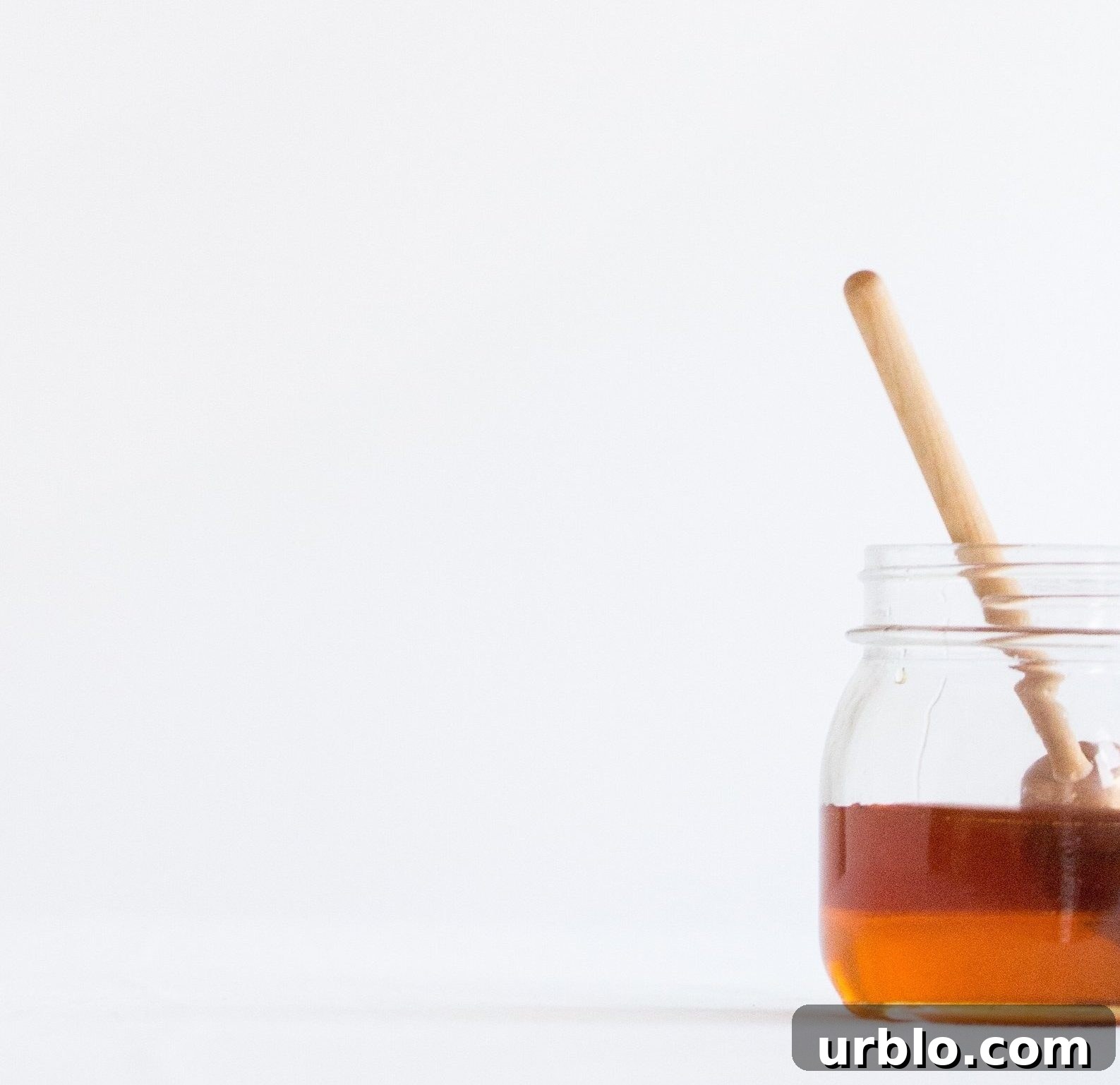
It’s sweet, delicious, and full of good stuff, but choosing the right one can be confusing!
Honey is a natural sweetener prized not only for its flavor but also for its nutritional elements: proteins, enzymes, phytonutrients, antioxidants, and antibacterial and antifungal compounds. These properties mean honey can support skin health, soothe throat and digestive issues, and contribute to overall wellness.
With so many varieties and labels on the market, choosing the best honey can feel overwhelming. Below are practical tips to help you pick a high-quality jar the next time you shop. (Note: this guide doesn’t cover Manuka honey, which is a distinct category with its own considerations.)
How to choose your honey
-
Read the ingredient list, not just the front label. Products labeled “pure honey” can sometimes include additives or syrups. The best jars list only “honey” as the sole ingredient.
-
Choose glass jars. Honey stored in glass preserves flavor and quality better than plastic, which can interact with the honey over time.
-
Prefer raw honey. Many commercial honeys are pasteurized and filtered to create a clear, pourable product. Heat processing reduces enzymes, antioxidants, and beneficial compounds—so raw honey retains more of its natural nutrition and character.
-
Look for low moisture content. If you invert the jar and see large, fast-rising bubbles, the honey may have higher water content, which increases the risk of fermentation. Higher-quality honey is thicker and less likely to bubble quickly.
Final thoughts
Honey can be a nutritious alternative to refined sugar, offering unique flavors and potential health benefits. However, it remains a form of sugar, so enjoy it in moderation as part of a balanced diet.