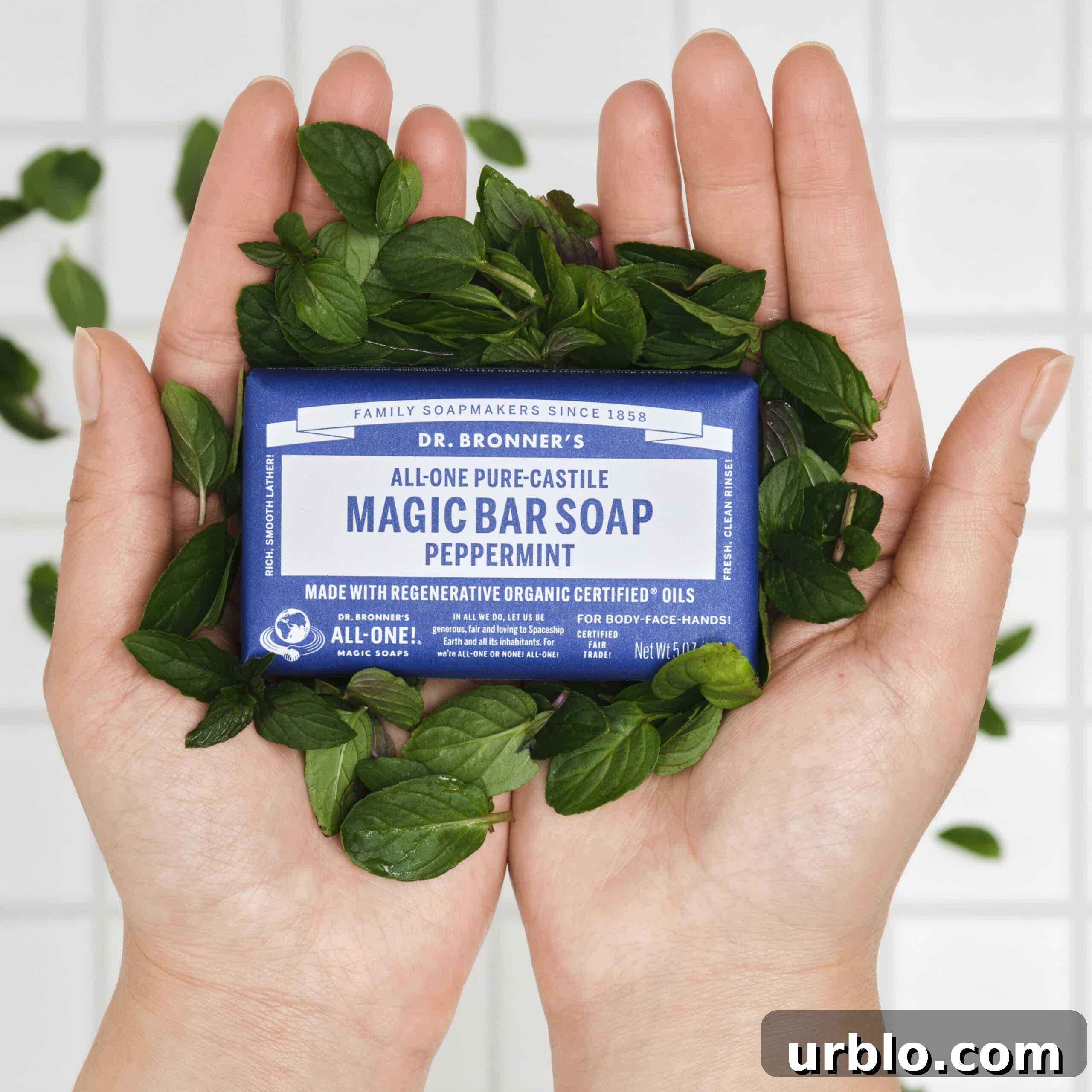
“Washing with Dr. Bronner’s Peppermint soap is like getting hugged by a snowman.” That was my Uncle Ralph’s favorite way of introducing people to Peppermint Magic Soap. He captured something many of us recognize: peppermint produces a distinct, cooling sensation. While the snowman image is playful, research supports the sensory effect of mint—its ability to make skin feel cool and invigorated.
Peppermint oil delivers an energizing burst of crisp clarity, leaving the body and senses feeling refreshed. Its aroma and topical sensation make it a standout among essential oils.
Mythological roots
Mint has a long cultural history and even a mythic origin. In Greek mythology, the nymph Minthe (or Minthe) was associated with Hades. When Persephone, Hades’s wife, discovered Minthe’s relationship with him, she transformed Minthe into a plant. Hades, unable to reverse the transformation, gave the plant a sweet, pleasant scent. That story is one traditional explanation for mint’s presence in folklore and language.
The scientific side of mint
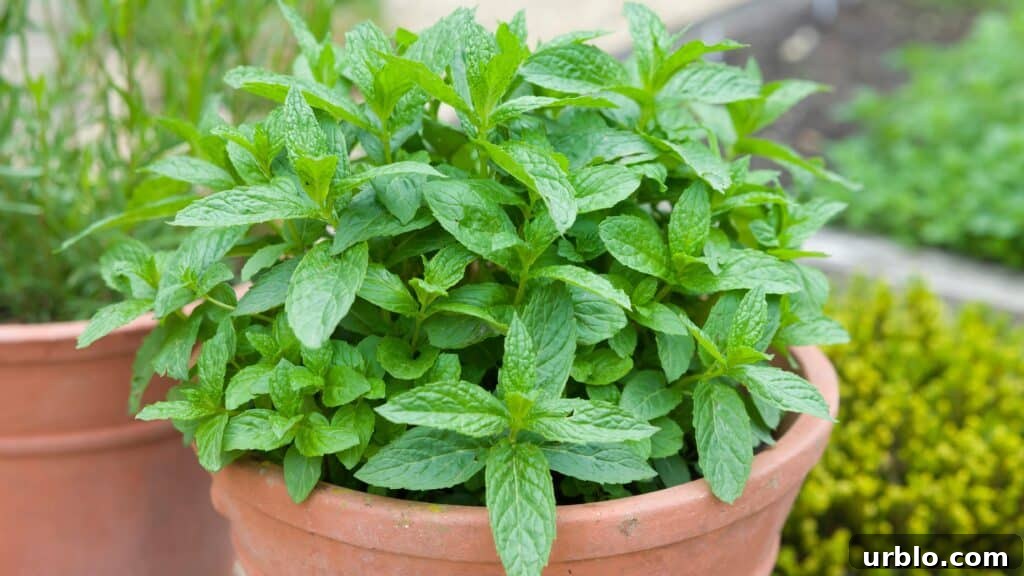
Botanically, mint belongs to the genus Mentha in the Lamiaceae family, a group that includes many aromatic culinary herbs such as lavender, basil, sage, thyme, and oregano. The family is often called the “mint family,” which highlights the botanical relationship among many aromatic plants. One identifying feature of many Lamiaceae species is a square stem.
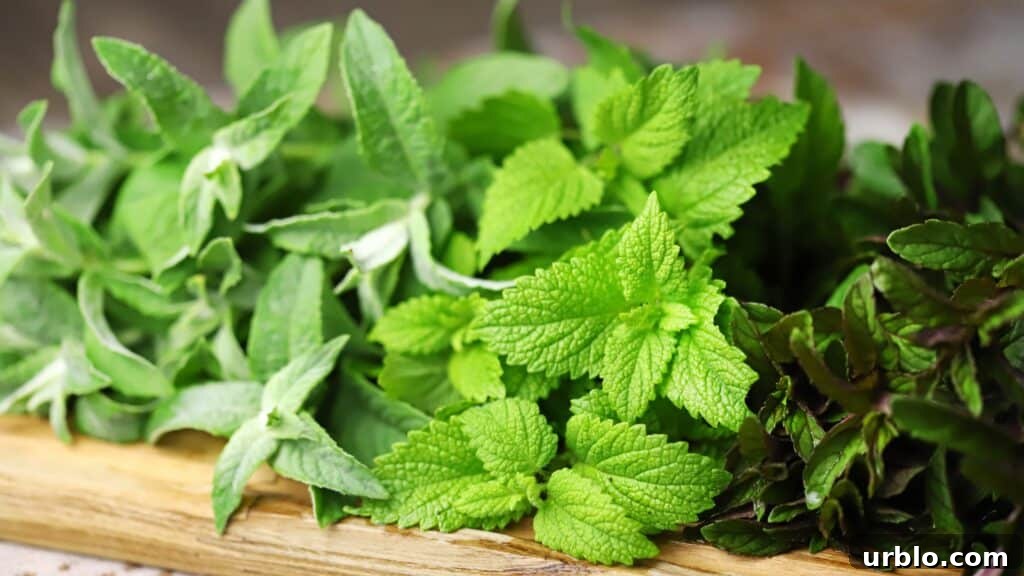
Within the Mentha genus there are hundreds of varieties. Some widely known species include Mentha x piperita (peppermint), Mentha arvensis (field mint), and Mentha spicata (spearmint). Cultivars vary widely—lavender mint, chocolate mint, Moroccan mint, banana mint, and more—so asking for “a pot of mint” at a nursery can yield unpredictable results.
The label “peppermint” is sometimes used loosely for different mint types, not solely Mentha x piperita, which adds to the variety of sensory experiences associated with the name.
Growing and propagating mint
Mint is remarkably easy to propagate. If you like a friend’s plant, cut an 8-inch stem, place it in water until roots develop, then transplant it into soil. Mint grows readily and can make a gardener out of almost anyone.
However, mint is a vigorous spreader. When happy, it can become invasive, taking over garden beds. To avoid uncontrolled spreading, grow mint in a pot or other confined container.
Dr. Bronner’s history with peppermint
Peppermint was my grandfather Emanuel Bronner’s favorite scent and the original fragrance of his Castile Magic Soap. He made that soap for washing his family and continued to favor peppermint for more than two decades before adding another scent.
The distinct invigorating, cooling character of Dr. Bronner’s Peppermint comes from a blend of mint oils—primarily Mentha arvensis and Mentha x piperita. Piperita adds sweetness while arvensis contributes a spicier, menthol-forward punch.
Over time, blending different mint oils became an art for the company. Different products emphasize different mint profiles: some combine peppermint and spearmint for a softer sweetness, while others add menthol crystals distilled from Mentha arvensis for a more intense, cooling effect.
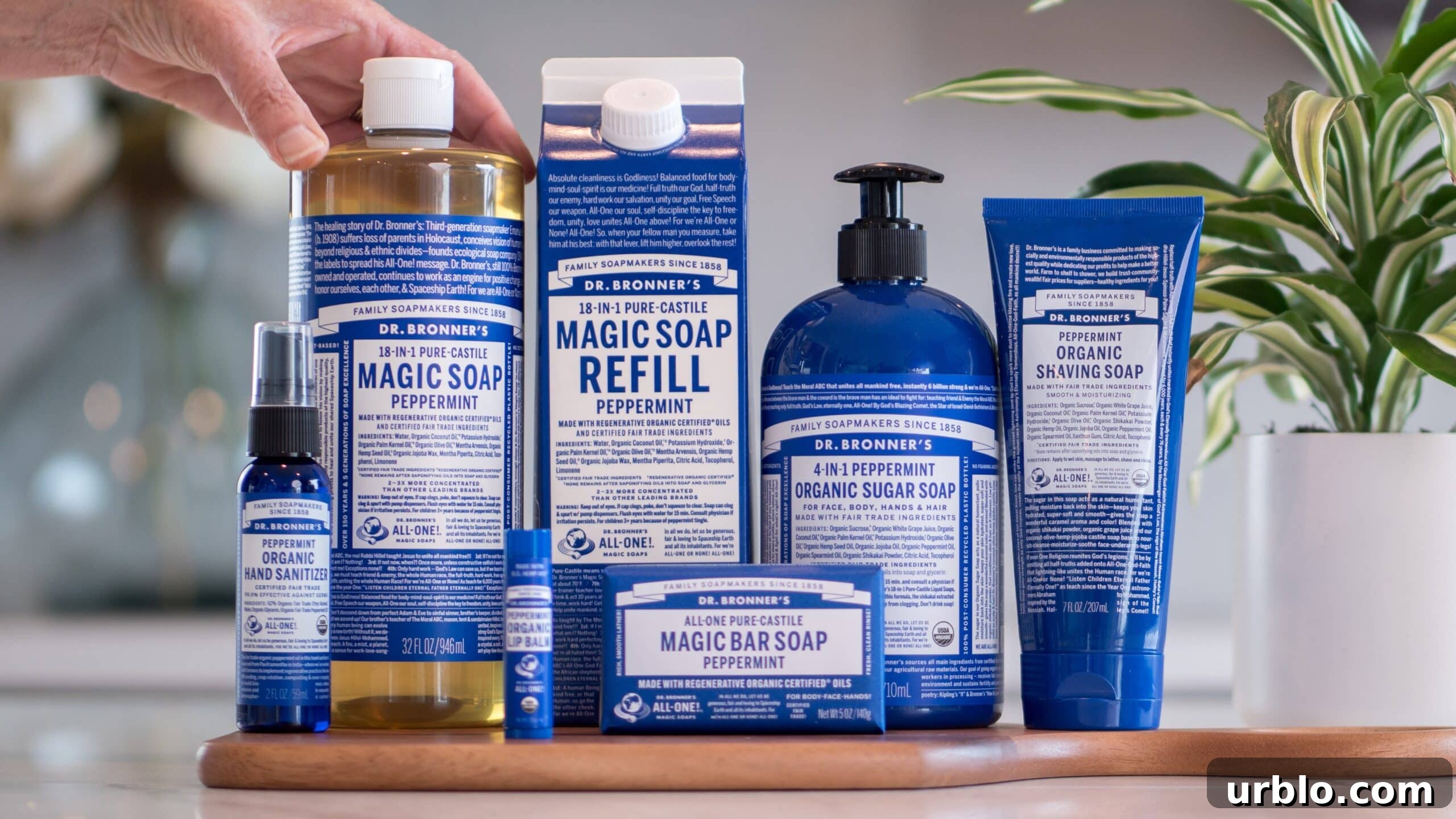
Peppermint remains Dr. Bronner’s most popular scent, appearing across many product lines including Castile soap, sugar soaps, balms, shave soaps, lip balms, lotions, hair products, toothpaste, and hand sanitizers. Peppermint-related products account for a substantial share of the company’s sales.
To meet demand, the company purchases a large volume of mint oils each year. Committed to sustainable sourcing, Dr. Bronner’s pursues organic, fair-trade, and regenerative organic supplies whenever possible. When existing sources could not meet their standards and volume needs, the company supported the creation of a mint oil mill in Uttar Pradesh, India—Pavitramenthe—to work with family farmers and produce Regenerative Certified Organic mint oils.

Extracting organic peppermint oil via steam distillation
Mint essential oil is typically obtained from the whole plant rather than only flowers or leaves. Steam distillation is the common method for extracting organic mint oil: the plant material is placed in a closed vessel, steam passes through and carries volatile oils, and the resulting vapor is condensed back into liquid. Oil and water separate naturally, and the lighter oil is collected from the top.
Menthol is what makes mint oil so very minty
Menthol is the key compound that gives mint its characteristic scent and cooling sensation. Chemically a cyclic monoterpene alcohol, menthol produces the sinus-clearing, invigorating effect many associate with peppermint products.
Menthol concentration varies among mint species. Mentha arvensis often contains particularly high menthol levels—sometimes exceeding 60%—making it a major source for menthol-rich oils.
The impact mint has on skin
Peppermint and related mint oils have been used for centuries to address headaches, digestive discomfort, insect bites, and muscle aches. Modern research has clarified some of the mechanisms behind mint’s effects, especially the role of menthol on the skin.
Menthol creates a sensation of coolness on skin
Menthol interacts with TRPM8 receptors in the skin—nerves that detect cold—so when menthol stimulates those receptors they send a “cold” signal to the brain. This alters our perception of temperature without changing actual skin or air temperature, producing a pleasant cooling or tingling sensation. That perceived cooling can be very helpful in hot conditions, but it can also mask signs of overheating, so caution is advised in situations where true temperature regulation matters.
Menthol affects blood flow to the skin
Menthol also influences blood flow. Skin treated with menthol can show vasodilation and increased local blood flow, while areas not exposed may experience relative vasoconstriction. The precise reasons for these patterns remain under study, but increased local circulation can support nutrient delivery and waste removal in the skin—beneficial for repair and rejuvenation—while it may be undesirable for people prone to redness.
Is mint oil right for you and your skin?
Mint oils are potent and not universally suitable. They should be diluted before topical use to avoid irritation. If a product already includes mint in a formulated base (soap, lotion, balm), dilution is handled by the manufacturer; if using pure essential oils, mix a few drops into a carrier oil such as coconut or olive oil.
Consider whether the menthol cooling sensation and the potential for increased circulation suit your preferences and skin type. People who feel chronically cold may find peppermint unpleasant, while those in hot climates often welcome the cooling effect. For infants and very young children, strongly mentholated products can be overwhelming and are generally not recommended.
Some individuals have highly sensitive TRPM8 responses; what feels pleasantly cool to most can register as intense burning or freezing sensations for them. If you have sensitive skin—especially on the face—or are prone to excessive redness, it’s wise to test carefully or choose gentler alternatives.
Do you want to feel cooler?
Peppermint’s cooling power is a defining appeal, but it isn’t universally wanted. Those who enjoy a brisk, tingling sensation will find peppermint refreshing; others who prefer a milder experience should explore different scents. For babies and young children, gentler fragrance options are often better until they can verbalize how the sensation feels.
Do you want to increase blood flow to the skin?
Increased blood flow can support skin repair and brighten complexion, but it may aggravate conditions that flare with redness. If this is a concern, consult a medical professional and consider essential oils with a milder action on circulation.
Wrapping it all up
Mint is a bold, unmistakable scent that appears across culinary, restorative, and decorative uses. Its effects are not only aromatic but physiological: menthol alters temperature perception and affects skin circulation. For many people peppermint is invigorating and cooling; for others it may be too intense. Use diluted products mindfully, consider your skin’s sensitivity, and choose the formulations that best suit your needs.
Further reading:
- Two Days in Provence: Tracing Lavender from Plant to Essential Oil
- My Favorites – Get to know the 8 Castile Soap Scents
- Dilutions Cheat Sheet for Dr. Bronner’s Liquid Castile Soap
Peppermint and eucalyptus are not recommended for children under 3 years of age as these scents may be overwhelming for them.