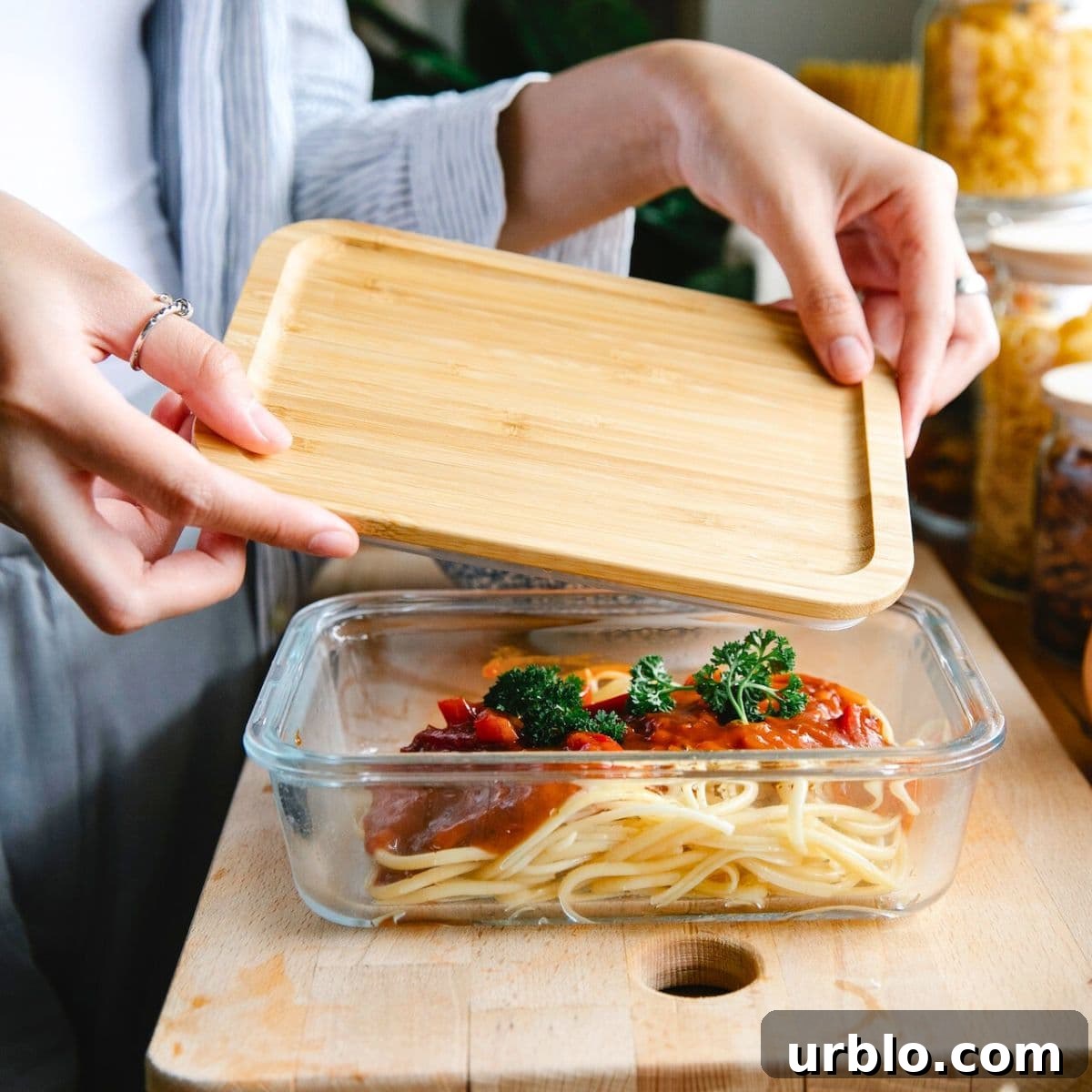
The next time you’re hunting for something to cover your lunch in the microwave, you might ask: why cover food in the microwave? Is it really necessary, and what difference does a lid make?
Below I’ll explain the top three reasons to cover food in the microwave. In short: it’s about convenience, better results, and safety.
Let’s look at why covering food in the microwave matters.
Quick + Easy Recipes
straight to your inbox
1. Helps Keep Your Microwave Clean
The first reason to cover food in the microwave is it helps keep the appliance clean.
As food heats, moisture pockets can burst and cause splatters that land on the walls and ceiling of the microwave. Without a cover, you’ll be wiping and scrubbing more often to remove dried-on food and stains. A simple cover prevents most of that mess and saves time on cleanup.
If your microwave is already messy, consider using dedicated cleaners and steam-cleaning methods to loosen stuck food before scrubbing.
2. Reduces Moisture Loss and Promotes Even Cooking
Covering food helps it retain moisture and heat more evenly.
A lid traps steam, keeping food from drying out—especially when reheating items like baked potatoes or leftovers. That trapped steam also evens out the temperature across the dish, reducing cold spots. The same effect helps when defrosting: a cover can help thaw food more uniformly and prevent the edges from beginning to cook while the center is still frozen.
3. Steams Any Bacteria for Safer Eating
Covering food improves food safety by creating a steam environment that helps reduce bacteria.
If food has been stored too long at improper temperatures, bacteria can grow. Heating under a lid helps distribute heat more effectively, making it easier to reach safe internal temperatures (around 165°F) that reduce the risk of harmful organisms. Covering reduces cold centers and makes it more likely the entire portion reaches a safe temperature.
What Happens if You Don’t Cover Food in the Microwave?
If you skip a cover, you’ll likely see the opposite of the benefits above.
If you don’t cover food in the microwave, it will:
- Splatter more, creating extra mess to clean
- Lose moisture and dry out faster
- Heat unevenly, leaving cold pockets and reducing the chance of killing bacteria
In short: more cleanup, less appetizing food, and potentially uneven reheating.
Is It Safe Not to Cover Food in the Microwave?
Generally, leaving food uncovered in the microwave is safe in the sense that you won’t be exposed to radiation. However, it’s not ideal.
Uncovered food may make your microwave dirty and smelly, and uneven heating can leave cold spots that affect quality and safety. For best results, use a cover when practical.
What Can I Cover My Food With in the Microwave?
Common safe covering options include:
- Paper towels
- Vented microwave splatter covers
- Microwave-safe plastic lids (e.g., food-storage container lids)
- Microwave-safe plastic wrap (vented)
A paper towel often does the job. If using other lids or wraps, ensure they are labeled microwave-safe so they don’t melt or deform. Reusable splatter covers are handy because they’re easy to clean and can be used again and again.
Note: avoid metal in most microwave situations unless you’re following specific, safe instructions for limited uses.
In Conclusion
Now that you know why you should cover food in the microwave, the extra few seconds to place a lid or paper towel make sense. Covering food helps retain moisture, heats more evenly, improves safety by reducing cold spots, and keeps your microwave cleaner.
Whether you use a reusable splatter cover or a simple paper towel, a small effort yields better food and less cleanup—so it’s worth it every time.