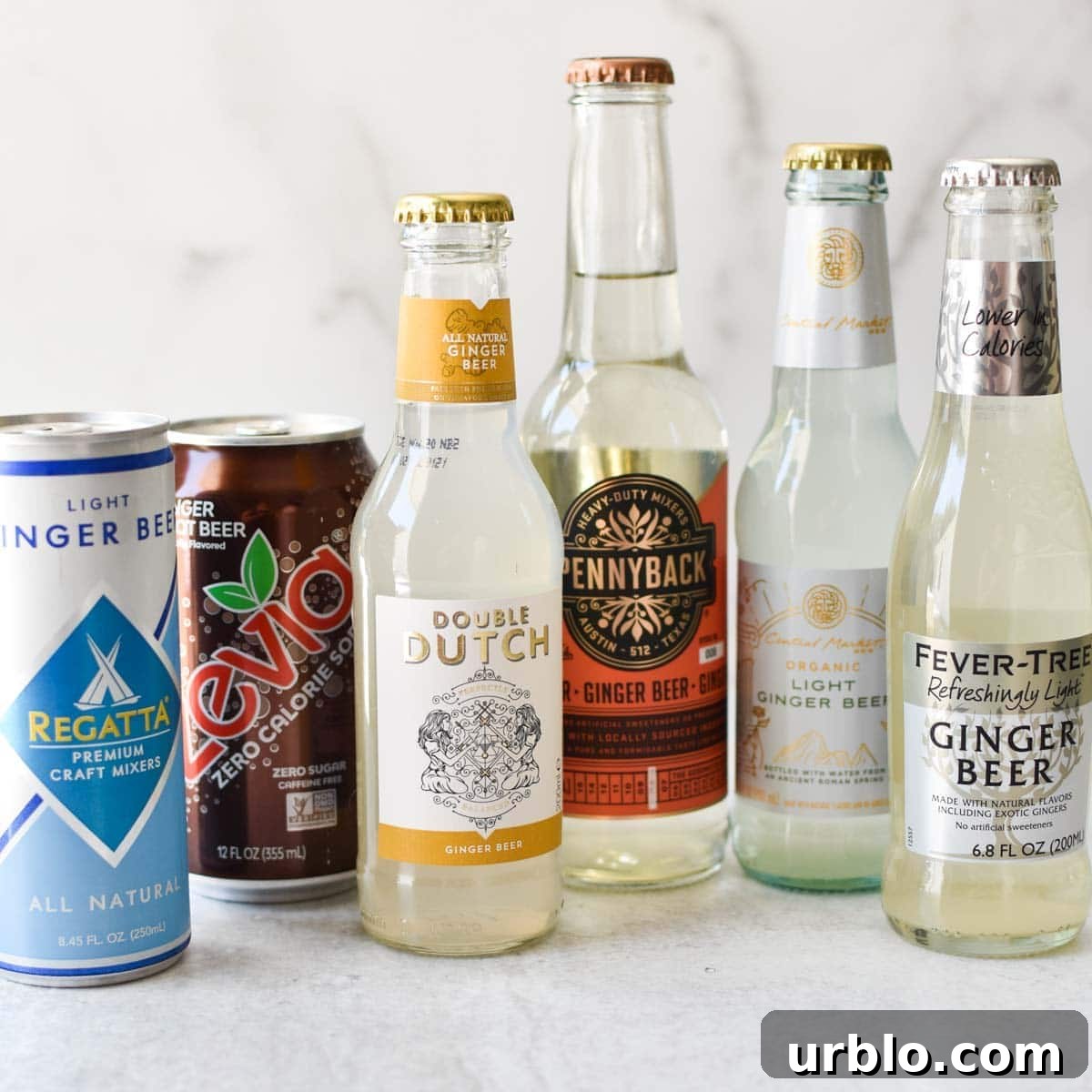
Curious which ginger beers are truly worth buying? Below is a refined, SEO-friendly review of several popular ginger beer brands, ranked by taste, spiciness, aroma, sugar content, and carbonation. This guide focuses on non-alcoholic options and aims to help you pick the best choice whether you need a mixer for cocktails, a soothing beverage for nausea, or a flavorful everyday soda.
I tested these ginger beers during a period when I relied on ginger to ease nausea and occasional vomiting. Straight ginger chews and heavy ginger-flavored foods were often intolerable, but small sips of well-made ginger beer helped. During the pandemic I frequently found my preferred brands out of stock, which led me to compare several popular options side by side. Each product was evaluated for color, taste, carbonation, sugar level, and aroma. Between samples I cleansed the palate with sparkling water to keep impressions consistent.
Health benefits of ginger
Beyond cocktail use, ginger offers benefits for nausea and some types of migraine. Clinical studies have shown ginger can help abort migraine attacks, and it is commonly used to relieve nausea and vomiting. For people with vestibular migraine, ginger may also help reduce vertigo symptoms. While ginger beer is not a medical treatment, choosing a product with real ginger and minimal additives can be a more natural option for occasional symptom relief.
The brands reviewed are non-alcoholic. I prioritized products with simple ingredient lists and lower sugar when possible. For context, some widely available brands contain as much as 40 grams of sugar per serving, while others stay under 30 grams. Several brands offer lighter or reduced-sugar versions, which may be preferable if you’re monitoring sugar intake.
Ingredients and sensitivities
Ingredients matter if you are sensitive to specific acids, sweeteners, or natural flavors. Citric acid appears in many beverages and can bother some people in larger amounts. Some ginger beers use tartaric acid instead, a naturally occurring acid found in grapes and other fruits. “Natural flavors” in ginger beer generally indicate ginger extracts, pepper for added spice, or citrus notes. If you suspect a particular ingredient triggers symptoms, check the label or contact the manufacturer for clarification before buying.
Ginger beer vs ginger ale
The main difference is intensity and production. Traditional ginger beer can be brewed and sometimes fermented, which produces a stronger ginger presence; modern commercial ginger beer reviewed here is non-alcoholic but typically has a more pronounced ginger flavor than ginger ale. Ginger ale tends to be lighter, sweeter, and more carbonated water with ginger syrup. If you want a bold, spicy ginger profile for mixing or symptom relief, choose ginger beer. For a mild, soda-like option, ginger ale is often the better fit.
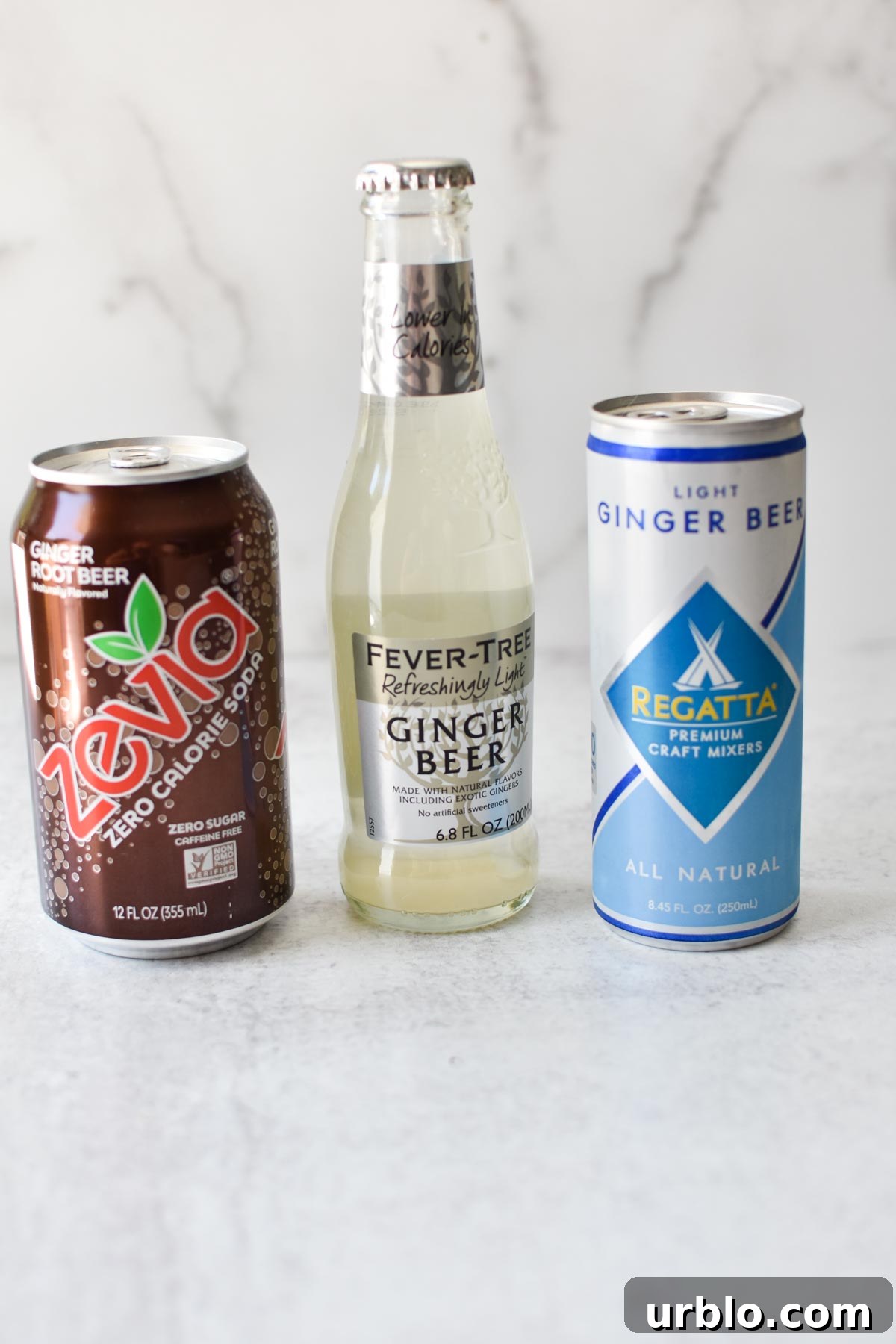
Fever Tree Refreshingly Light Ginger Beer
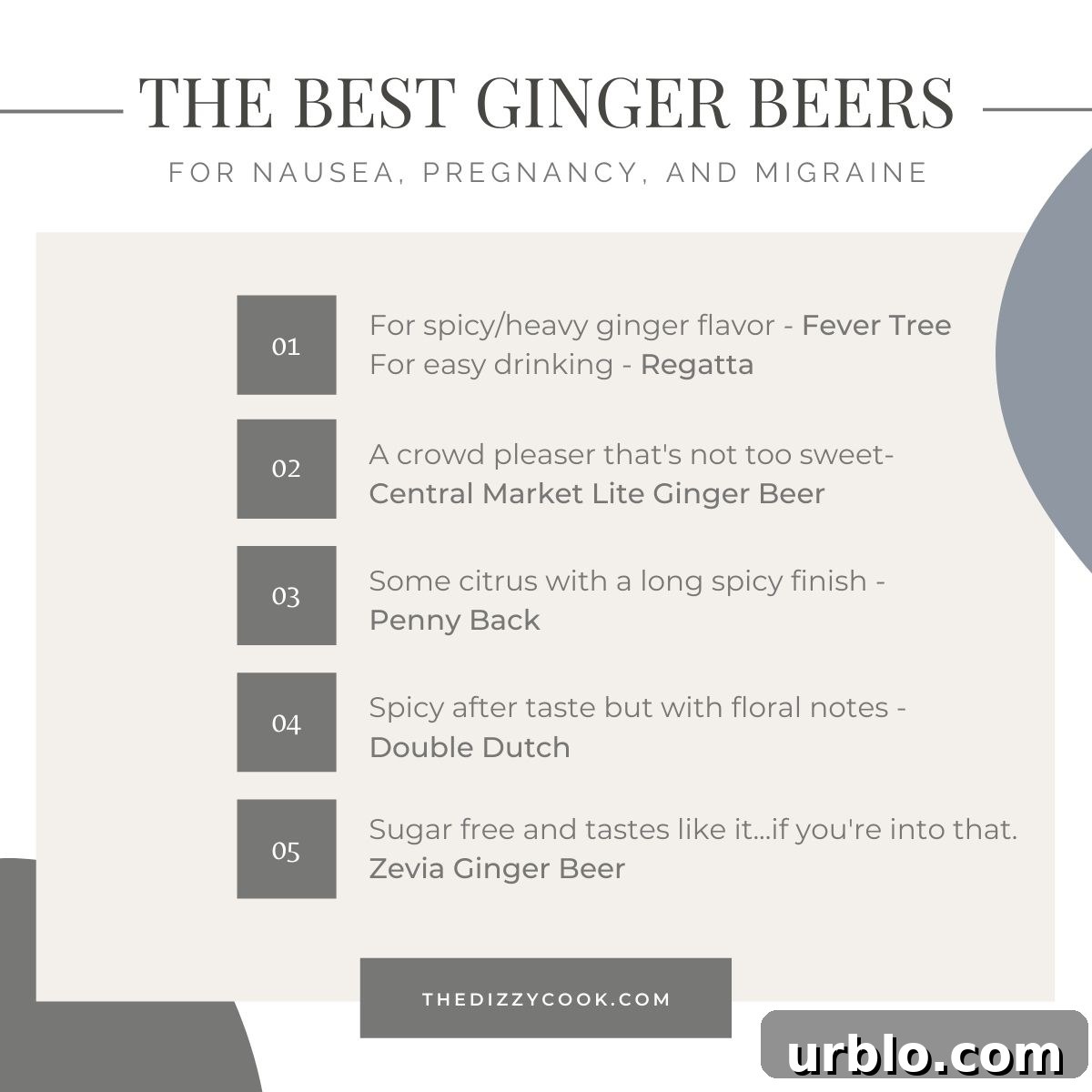
Fever Tree tied for first in this tasting. It delivers strong, spicy ginger flavor that lingers, making it an excellent option for mixing or when you want a robust ginger kick. It has a noticeable burn that may not be ideal during active nausea.
Ingredients – Carbonated spring water, fructose (fruit sugar), ginger root, natural ginger flavouring with other natural flavourings, acid: tartaric acid, antioxidant: ascorbic acid.
Color – Very light beige, reminiscent of white wine.
Taste – Strong, spicy ginger that lingers.
Bubbles – 5/10, fairly smooth.
Sugar content – About 8 grams; sweet but not overpowering.
Smell – Burnt sugar with spicy ginger notes.
Regatta Light Ginger Beer
Regatta also tied for first and was my top pick for managing pregnancy-related nausea. It offers a milder ginger profile without the fiery finish, making it easy to drink even when the stomach is sensitive. It’s lightly sweet and less aggressive than bolder ginger beers.
Ingredients – Sparkling filtered water, cane sugar, natural ginger flavor extracts and other natural flavors, citric acid, quillaia bark extract, caramel color, gum arabic, ester gum, guar gum.
Color – Slightly cloudy, light beige.
Taste – Mellow, minimal burn, smooth finish.
Bubbles – 6/10, light carbonation.
Sugar content – Around 13 grams; moderately sweet.
Smell – Notes of burnt sugar and ginger spice.
Central Market Light Ginger Beer
This regional option (available at HEB/Central Market in Texas) is an affordable everyday ginger beer made with real ginger juice. The flavor is lighter and slightly citrus-forward, with a cleaner ingredient list that includes organic ginger juice and extract.
Ingredients – Carbonated water, organic sugar, organic ginger juice, organic ginger extract, tartaric acid, natural flavors.
Color – Cloudy but less yellow than some brands.
Taste – Light, slightly citrusy, less sweet; mild burn at the finish.
Bubbles – 4/10, less fizzy than others.
Sugar content – Around 9 grams; tastes less sweet than comparable brands.
Smell – Very light, clean aroma.
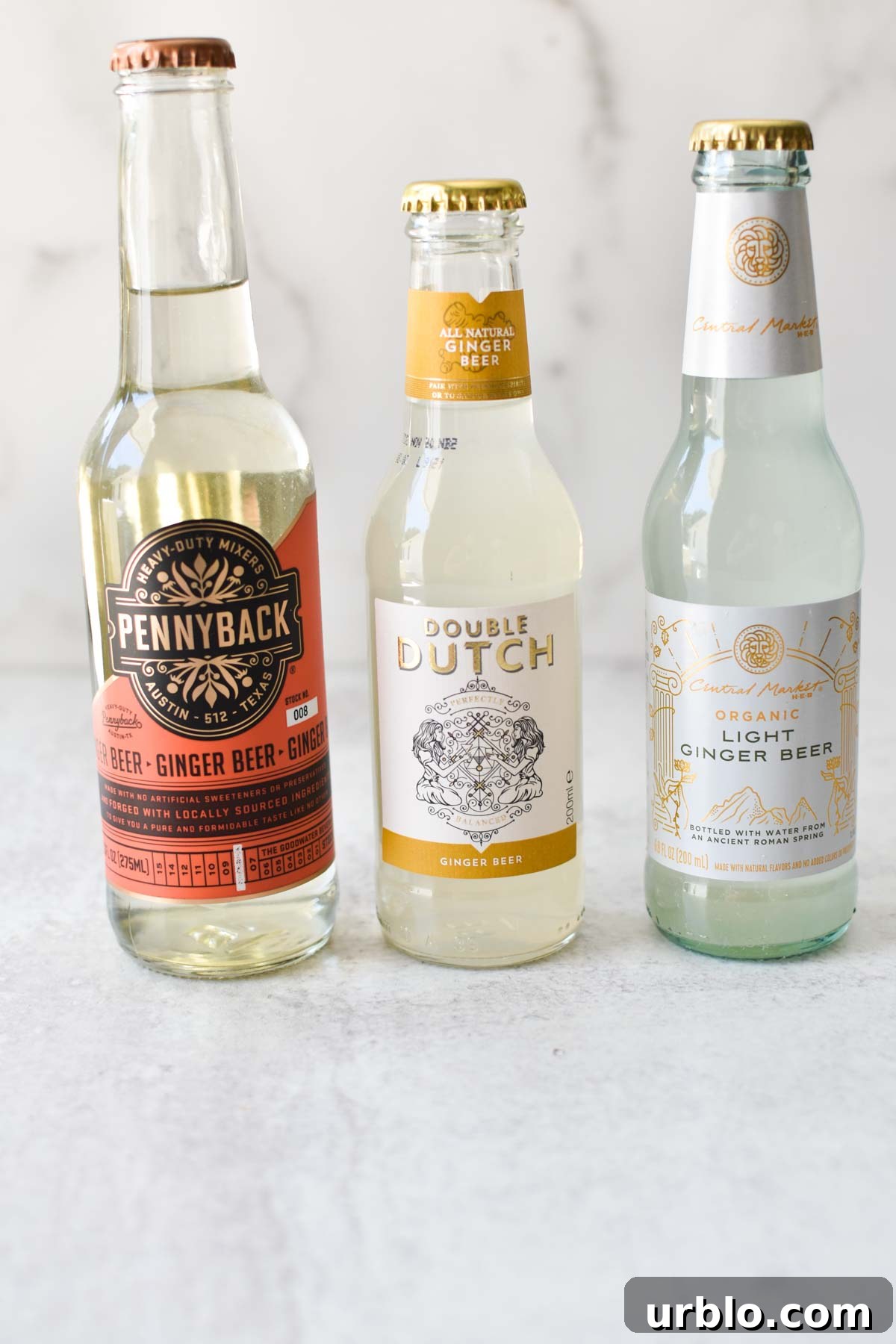
Pennyback Ginger Beer
Pennyback is an Austin-based producer with wide appeal for those who enjoy sweeter, more intensely carbonated ginger beers. It’s a crowd-pleaser and supports a smaller local brand, but it contains a higher sugar content compared with lighter alternatives.
Ingredients – Pure carbonated artesian water, natural cane sugar, agave nectar, natural flavor, citric acid, sea salt, ginger root.
Color – Darker beige to caramel.
Taste – Sweet with a spicy aftertaste and citrus hints.
Bubbles – 7/10, pleasantly fizzy.
Sugar content – About 27 grams; significantly sweeter.
Smell – Light scent with citrus notes.
Double Dutch Ginger Beer
Double Dutch, a European mixer brand, delivers a floral-forward ginger beer with high carbonation. It’s very fizzy and leans toward sweeter profiles, but its aroma includes bright citrus-like notes that some tasters found off-putting.
Ingredients – Carbonated water, sugar beet, natural flavourings, acid: tartaric acid.
Color – Cloudy, off-white.
Taste – Floral with lingering spice.
Bubbles – 9/10, very fizzy.
Sugar content – Around 19 grams.
Smell – Pronounced citrus/cleaner-like scent for some tasters.
Zevia Ginger Beer
Zevia uses stevia as a zero-calorie sweetener. It contains no real ginger root, relying instead on natural flavors. The result is a very sweet, diet-style aftertaste and a lack of authentic ginger bite, which may disappoint those seeking a true ginger profile.
Ingredients – Carbonated water, natural flavors, citric acid, stevia leaf extract.
Color – Clear.
Taste – Strong sweet aftertaste typical of stevia; minimal real ginger flavor.
Bubbles – 8/10, quite fizzy.
Sugar content – 0 grams (stevia-sweetened).
Smell – Slightly reminiscent of other diet root-style sodas.
Homemade ginger beer
Making ginger beer at home is a simple way to control ingredients, sweetness, and spice level. Basic ingredients to get started:
- Sparkling water
- Fresh-pressed ginger juice
- Honey or agave (or another sweetener to taste)
Mix to taste, adjusting ginger and sweetener proportions until you find the balance that works for you.
If your favorite ginger beer wasn’t included, leave a comment and I’ll try it in future tastings.