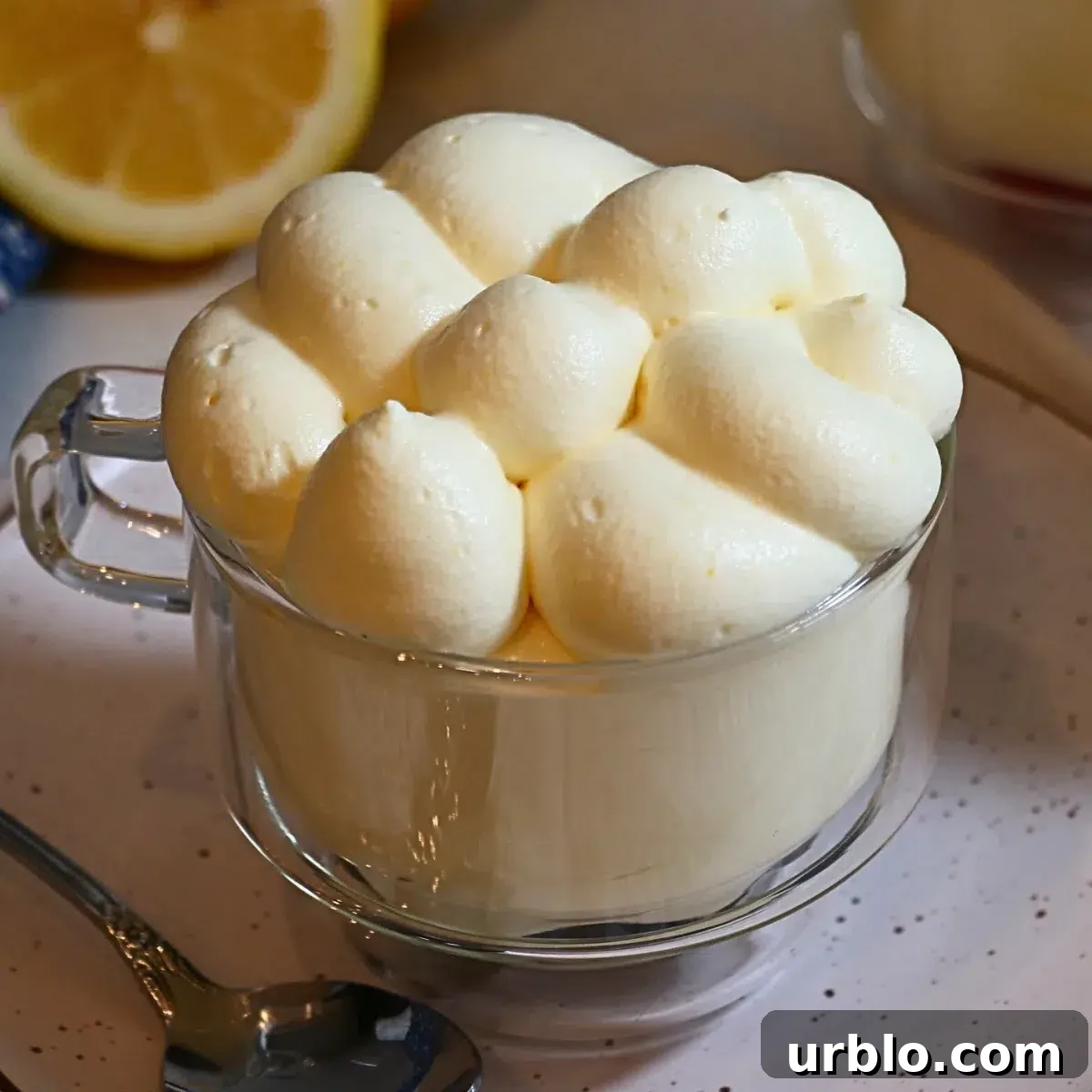
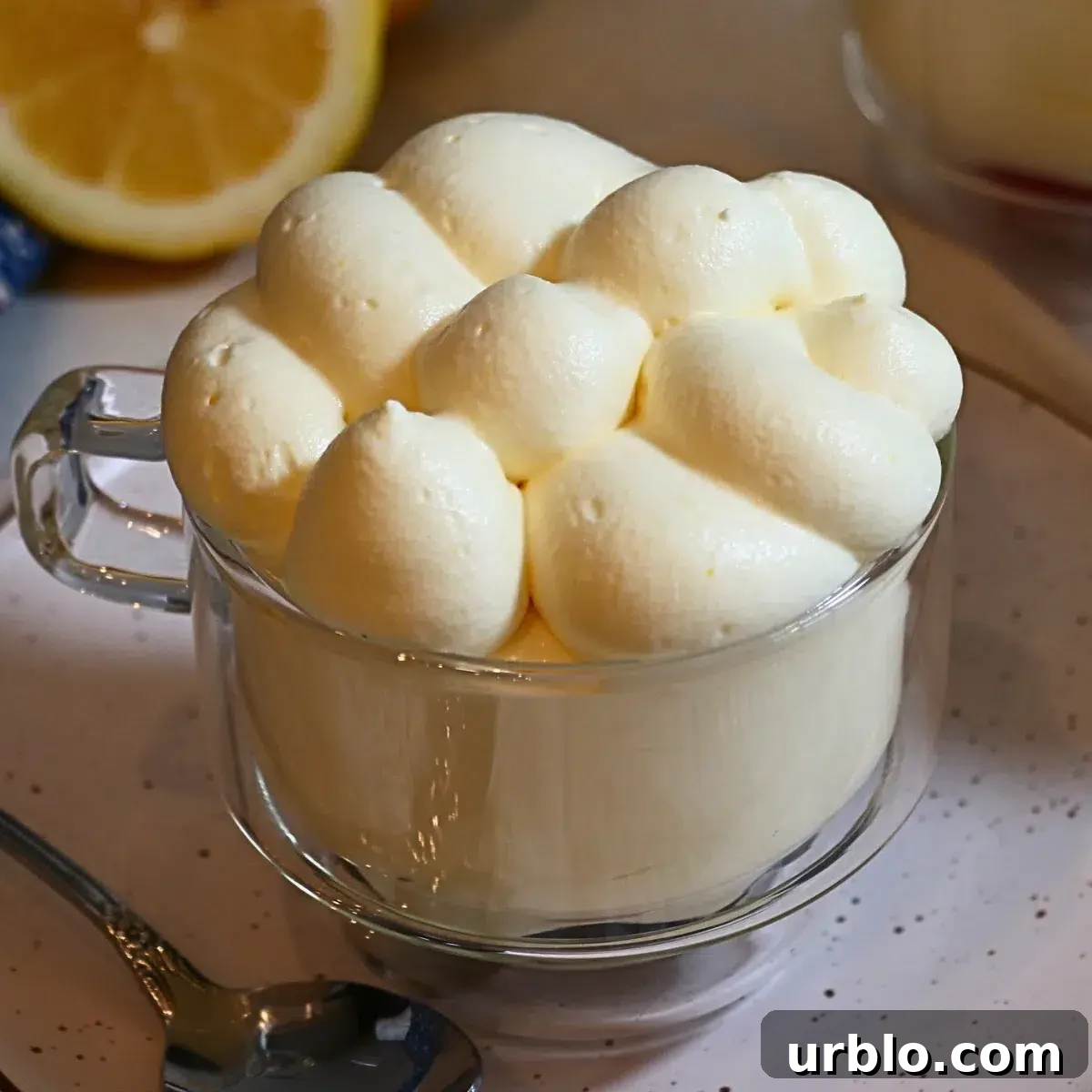
This light, airy lemon mousse melts on the tongue with a bright burst of fresh lemon. It’s an elegant make-ahead dessert for any lemon lover.
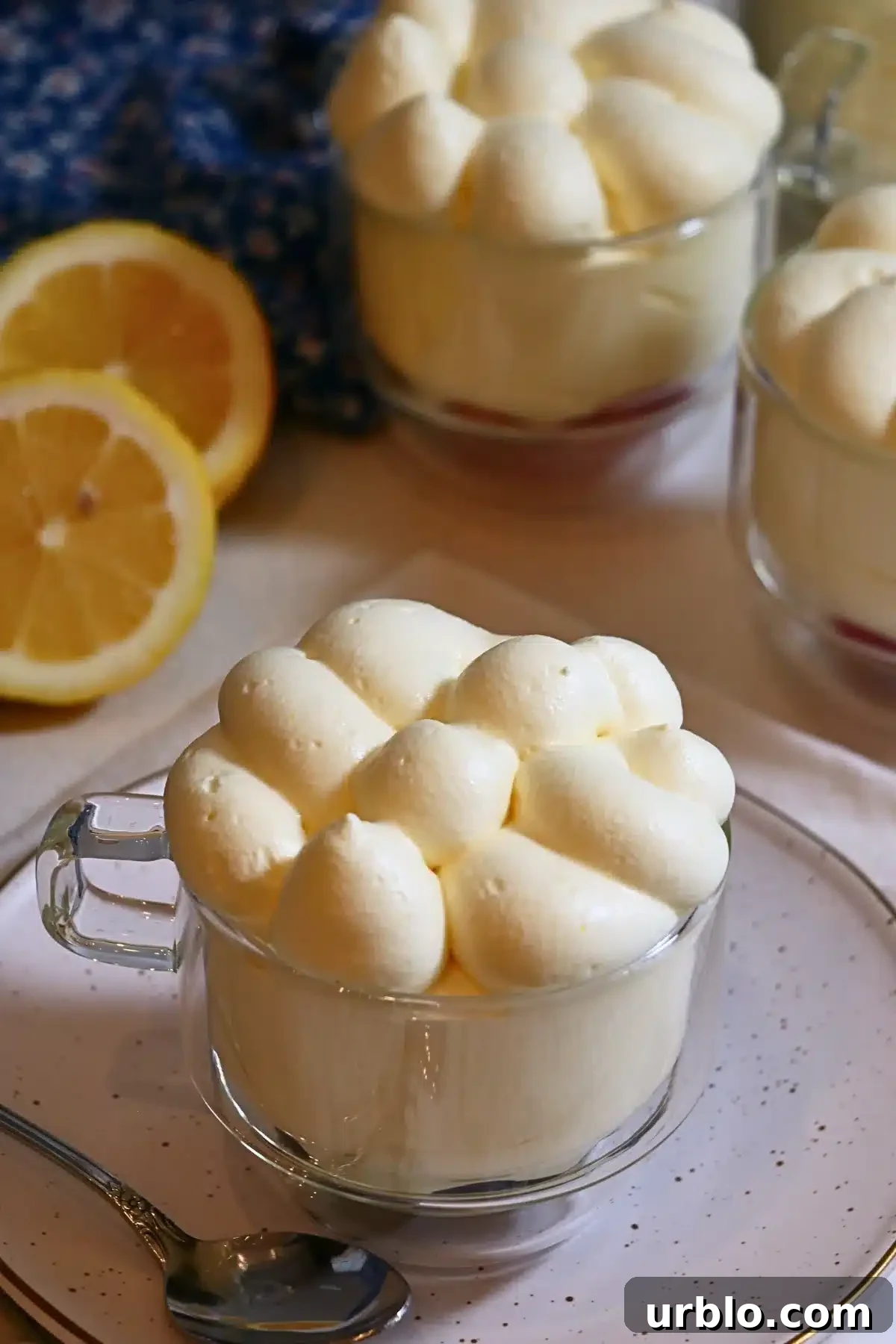
I enjoy rich lemon desserts like lemon pound cake and lemon cupcakes, but in warm weather I often prefer something lighter and refreshing. This lemon mousse is my go-to when I want a bright, delicate dessert that still feels indulgent. It’s cloud-like in texture yet creamy and perfectly citrusy.
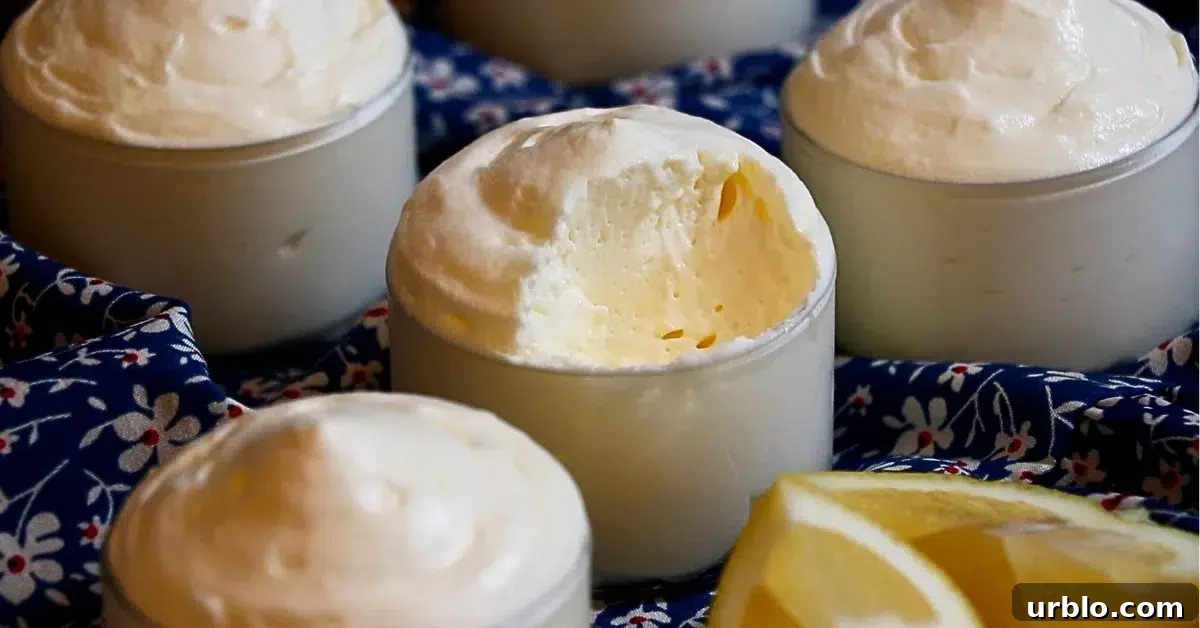
4 Reasons You’ll Love This Recipe
- Incredibly Airy: A featherlight texture that feels like a lemon cloud.
- Perfectly Tangy: A lemon curd base gives fresh citrus brightness balanced with creaminess.
- Gluten-Free: A naturally gluten-free, elegant dessert option.
- No-Bake: Easy to prepare ahead and chill before serving.
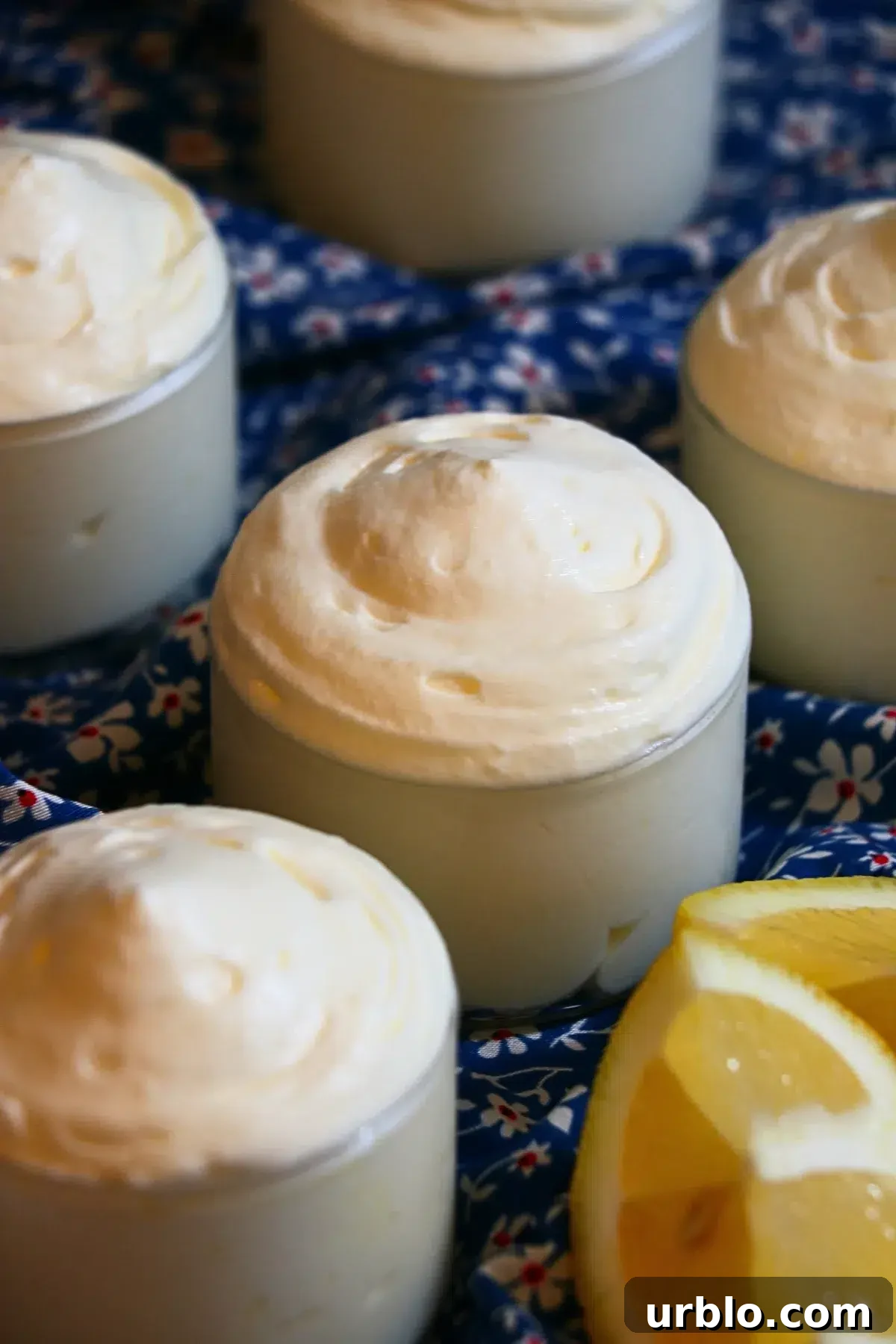
Why Lemon Mousse Can Be Tricky
Lemon is a highly acidic fruit, and acidity affects how a mousse sets. When I first adapted a berry mousse recipe for lemon, the acid caused the mousse to become too firm. To get an airy, balanced texture without an overpowering tang, the recipe needs careful adjustments.
This version uses:
- Less gelatin to avoid an overly firm, Jell-O-like texture.
- A smaller ratio of lemon curd so the citrus is bright but not overwhelming.
- More whipped cream to create a silky mouthfeel.
- Extra Italian meringue for lift and fluffiness.

Secrets to the Airy Texture
The mousse balances firm whipped cream with stable Italian meringue and a small amount of gelatin. Using slightly less gelatin than a typical mousse produces a lighter, more delicate finish—soft and cloud-like rather than dense.
Video: Watch How to Make the Lemon Mousse
A step-by-step video demonstrates technique and timing for making the lemon curd, whipping the cream, and preparing Italian meringue. If you prefer visual guidance, watch the tutorial for folding and temperature cues.
Tips for the Ingredients
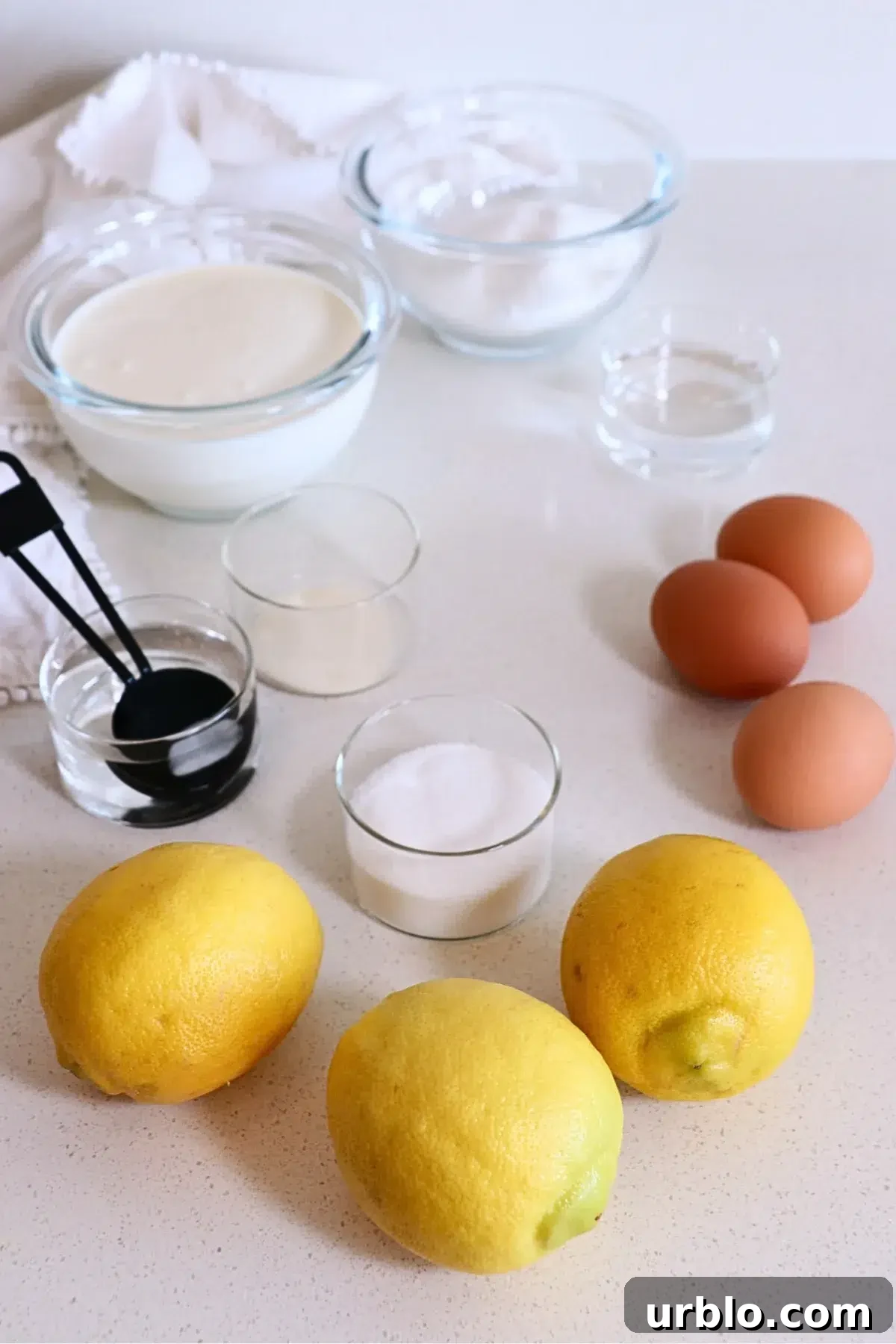
Lemon Curd Base
- Granulated sugar: Use standard white sugar for a clean sweetness.
- Egg yolks: They thicken and enrich the curd. Keep yolk out of the egg white bowl so the whites whip properly.
- Lemon zest & juice: Fresh lemons give the best flavor; bottled juice lacks brightness.
- Unflavored gelatin: Bloom gelatin in cold water before adding to the hot curd to ensure a stable set.
Note
This lemon curd is balanced specifically for mousse. If you want a thicker curd for spreading on cakes or toast, use a recipe formulated for that purpose.
Whipped Cream
- Heavy cream: Use full-fat heavy or heavy whipping cream for stability and richness. Low-fat creams won’t hold the structure.
Italian Meringue
- Egg whites: Use a clean, dry bowl and tools; any fat or water prevents proper whipping.
- Sugar and water: Heated to make a hot syrup that stabilizes the meringue and gives structure without graininess.
Gelatin: Powder vs. Sheets
Both powdered gelatin and gelatin sheets work well. Powder is cost-effective and commonly used; sheets can produce a slightly smoother texture. Pay attention to the bloom strength—if your gelatin’s bloom value differs significantly, adjust the amount to match the set described in this recipe.
Step-by-Step Instructions
Step 1. Make the lemon curd base
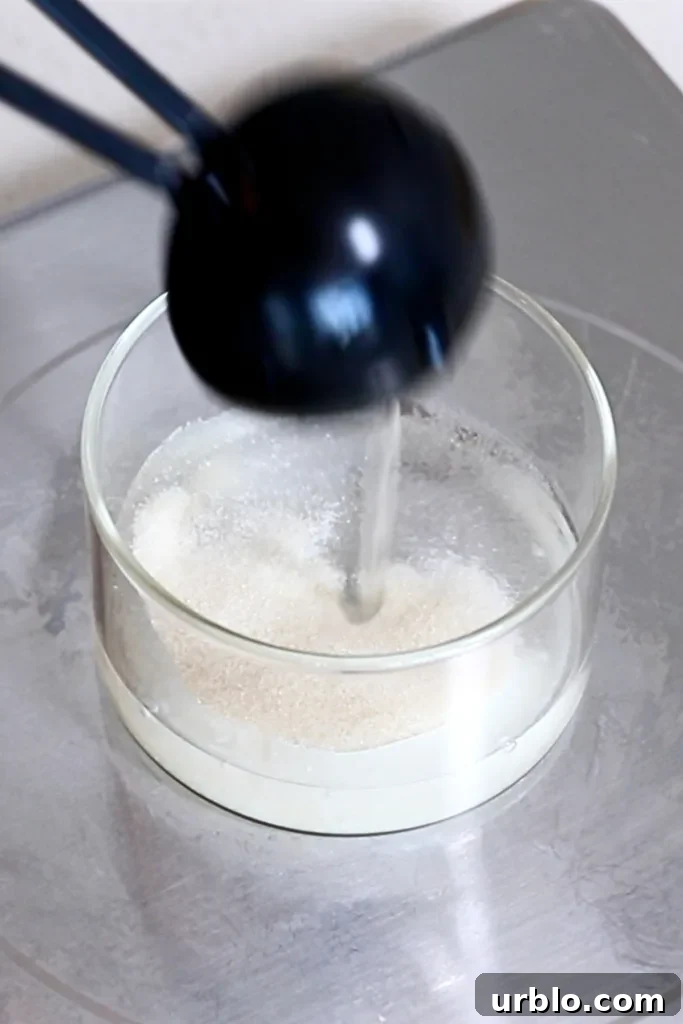
Hydrate gelatin
Bloom powdered gelatin in 4–5 times its weight of ice-cold water for 10 minutes. If using sheets, soak them in icy water for 10 minutes.
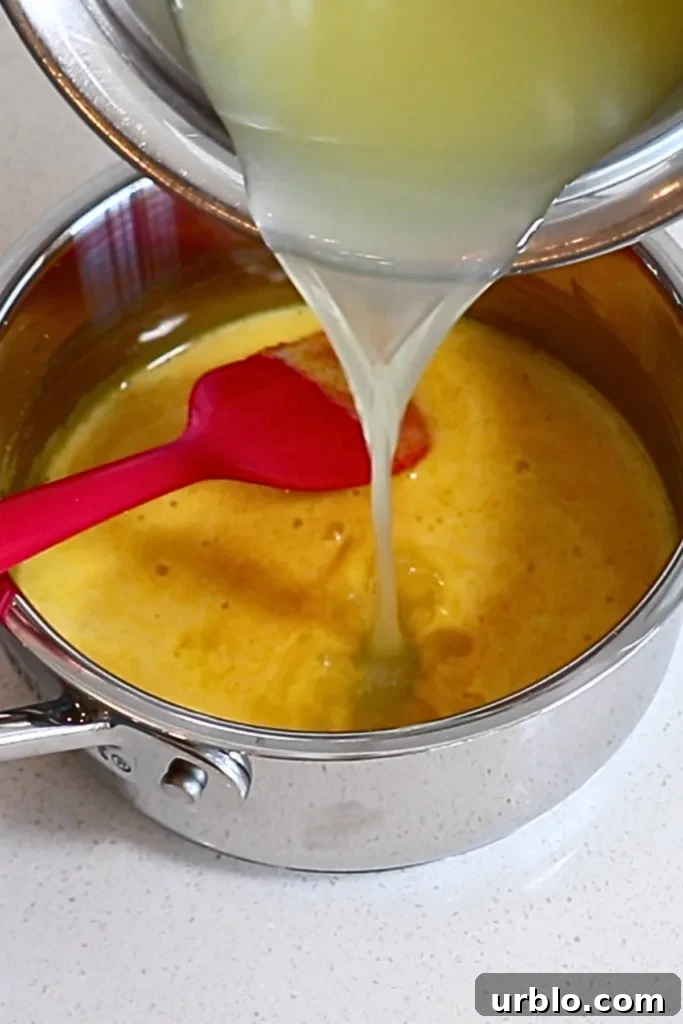
Mix the ingredients
Whisk sugar and yolks in a small saucepan. Stir in lemon zest and part of the lemon juice, then add the remaining juice gradually until combined. Mix quickly to avoid lumps.

Cook gently
Heat over low to medium-low, stirring constantly and scraping the pan bottom. Remove from heat once the mixture reaches a gentle boil.
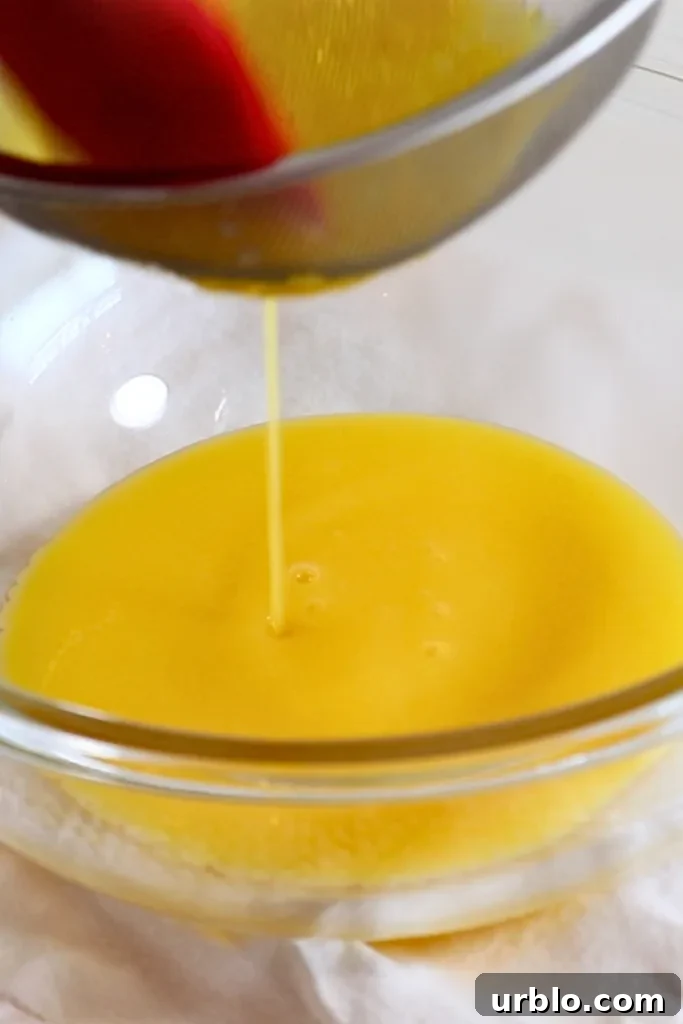
Strain
Pass the curd through a fine mesh sieve to remove any solids and ensure smoothness. Scrape the sieve to collect all the curd.
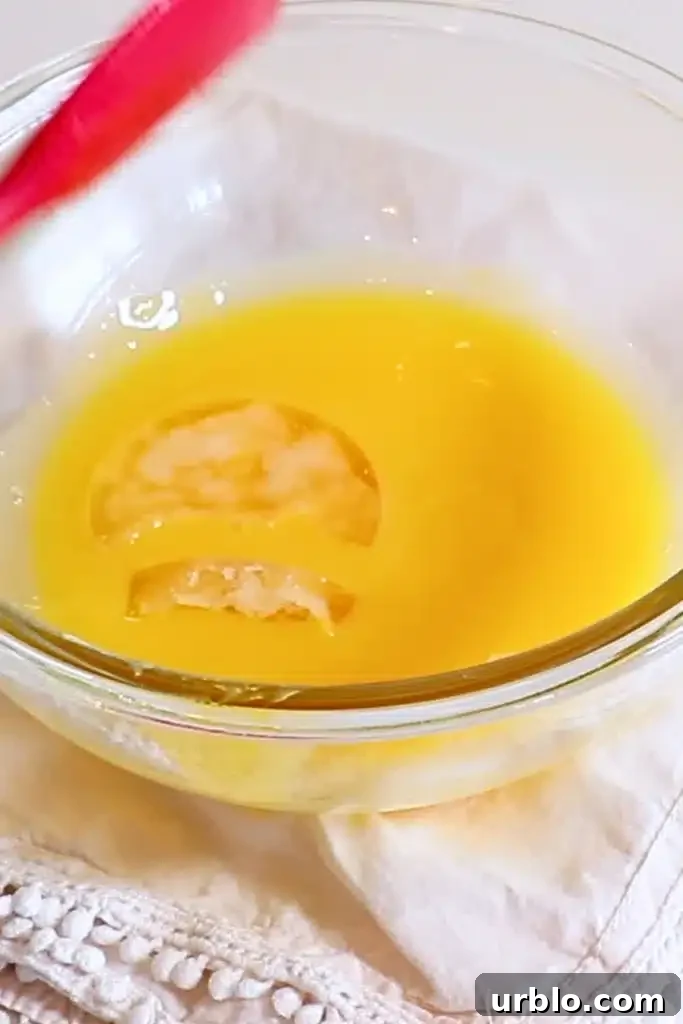
Add gelatin
Stir the bloomed gelatin into the hot curd until fully dissolved. Add it while the curd is still warm, so the gelatin melts completely and the mousse sets evenly.
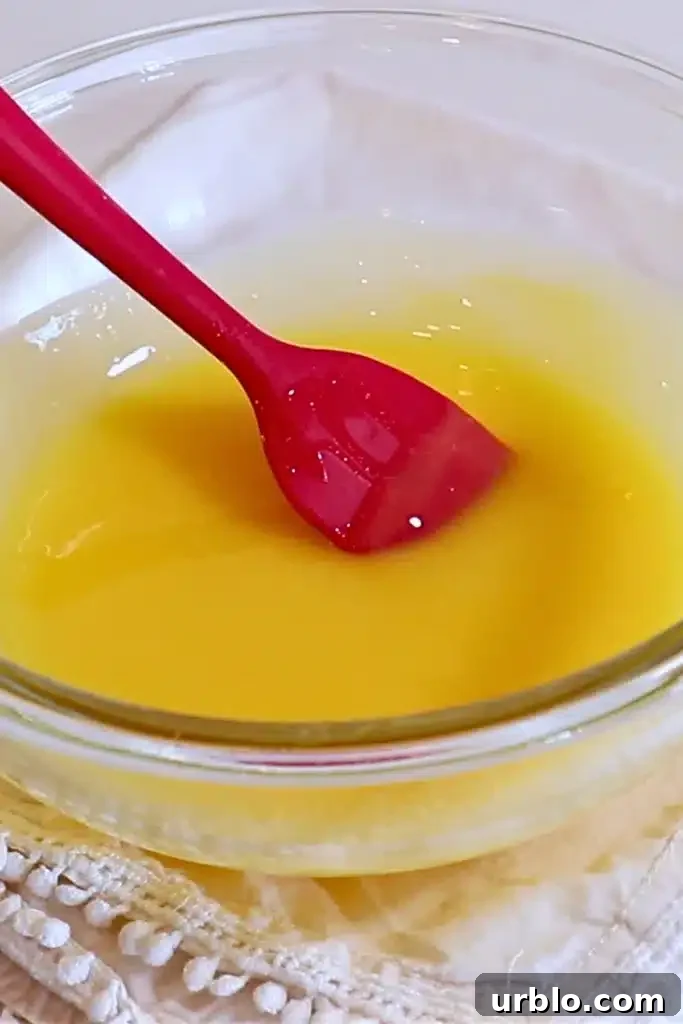
Cool slightly
Let the curd rest at room temperature until just slightly cool. If it thickens too much, gently warm it to loosen before folding into the mousse.
Step 2. Whip the cream
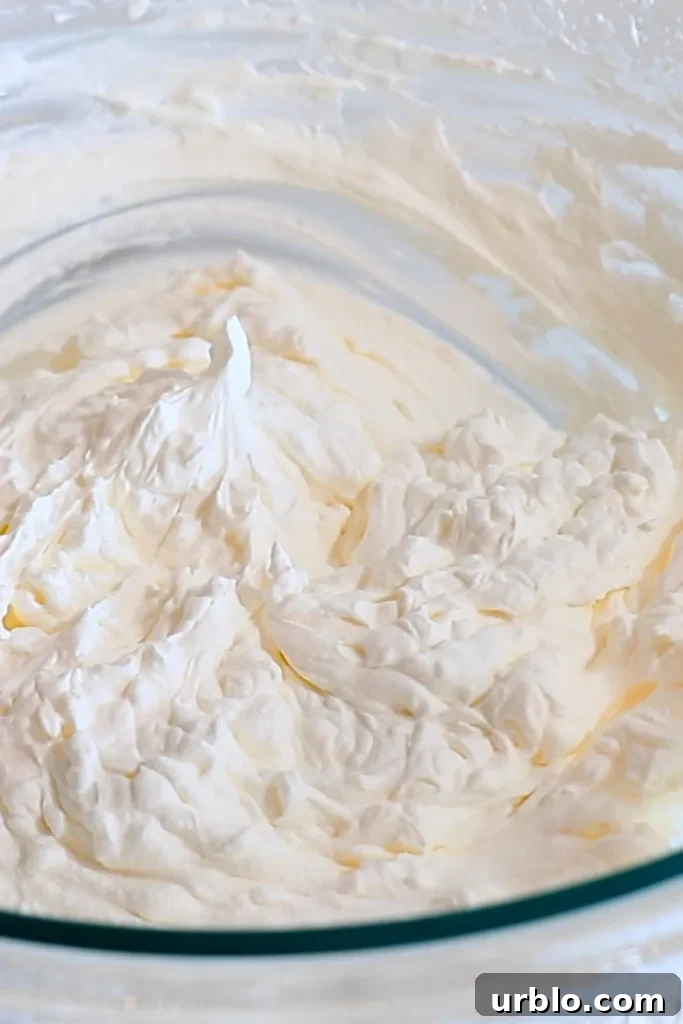
Whip heavy cream
Beat cold heavy cream to stiff peaks. Chill until ready to use. Soft cream will make a runny mousse; if it softens, re-whip briefly before folding.
Step 3. Make Italian meringue
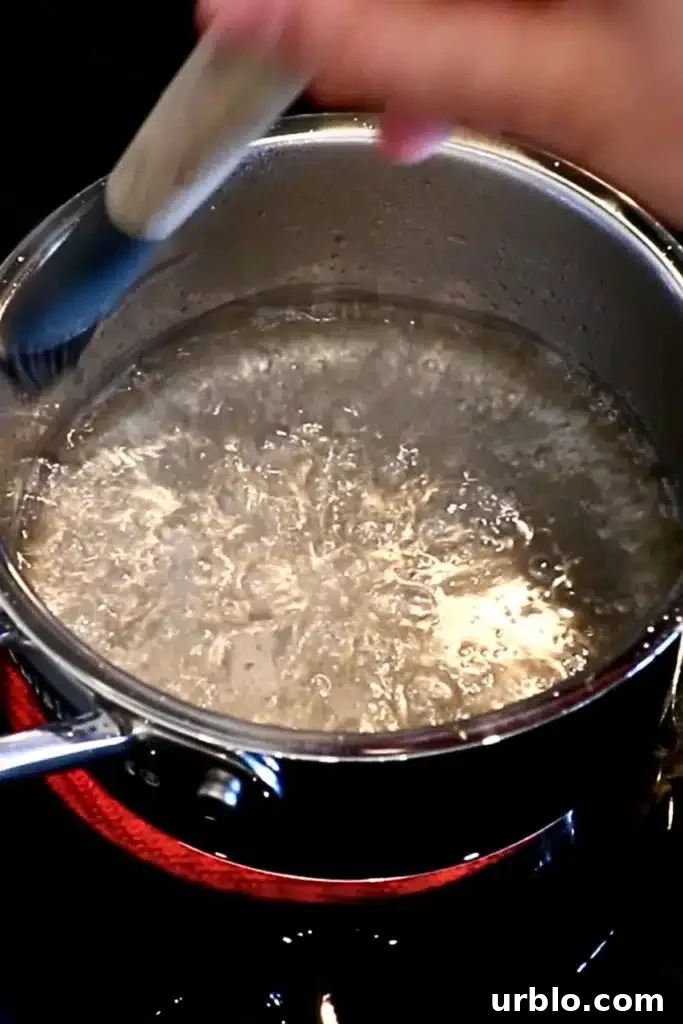
Heat syrup
Combine sugar and water in a saucepan, wetting all the sugar. Heat without stirring until the syrup reaches about 244ºF (118ºC). Brush the pan sides with water to prevent crystallization.
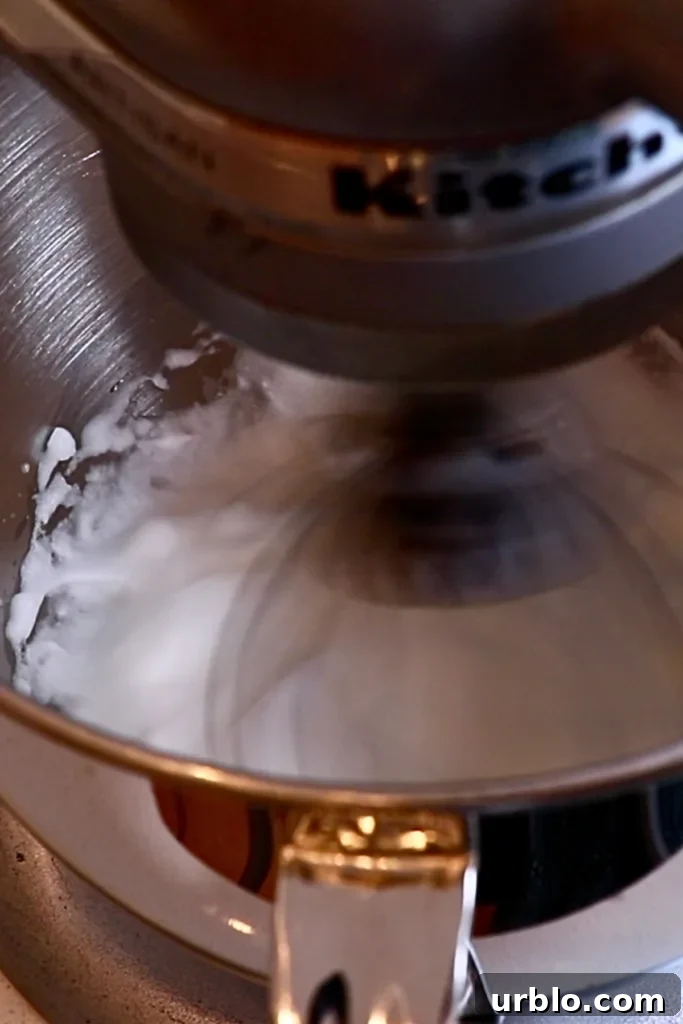
Whip egg whites
While heating the syrup, start whipping the egg whites to soft peaks. When the syrup reaches temperature, slowly stream it into the whites while whipping on high, then continue until the meringue cools to room temperature or is slightly warm.
Step 4. Combine everything
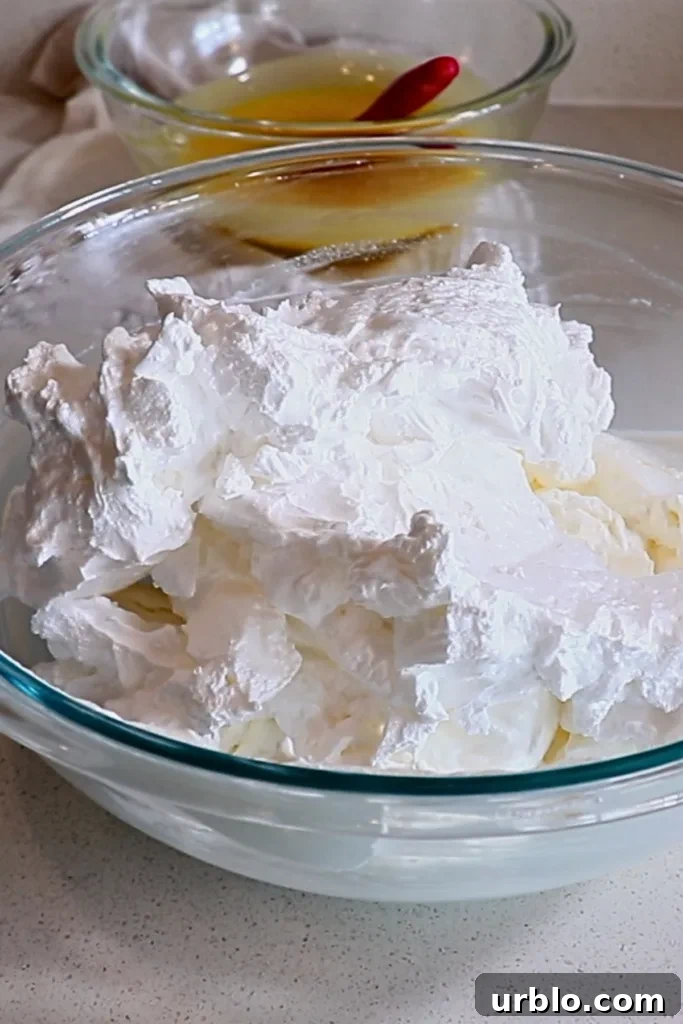
Fold meringue into whipped cream
Fold all the meringue into the whipped cream until about half combined. This preserves volume and creates a stable base for the curd.
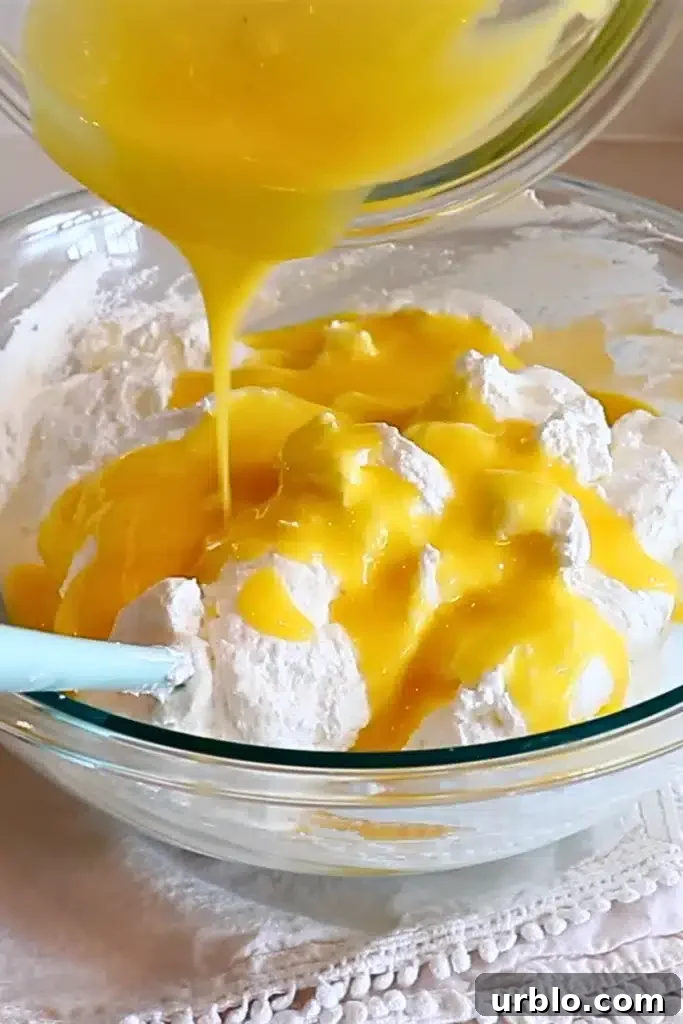
Add curd
Gently fold in the lemon curd until the mixture is 80–90% homogeneous. Use a spatula to finish, scraping the bowl sides and bottom to ensure even incorporation. Make sure the meringue is not warm, or it will deflate the whipped cream.
Step 5. Chill
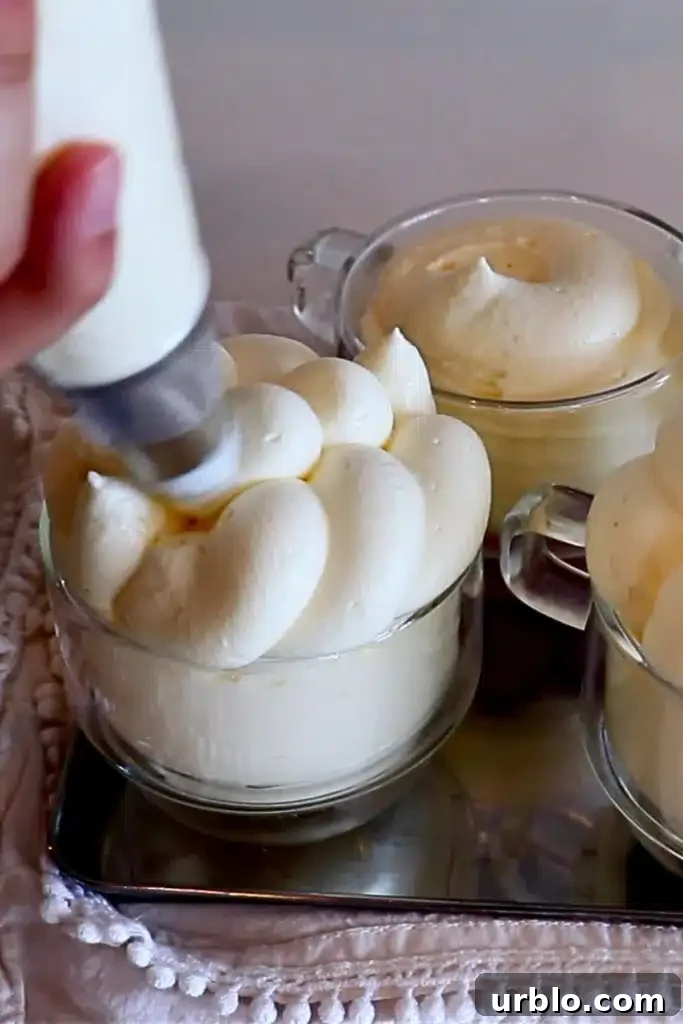
Portion and refrigerate
Pipe or spoon the mousse into serving glasses while still smooth and airy. Chill for at least a few hours to allow the texture to set and flavors to meld.
Serving & Garnish
Customize presentation to suit the occasion. Classic serving and garnish ideas:
Serving
- Individual servings in small glass cups
- Mini glass shots for large gatherings
- A mousse layer in a cake ring to build a mousse cake
- Silicone molds for shaped desserts
Garnish
- Fresh berries for color and contrast
- Thin lemon slices for a decorative touch
- A small dollop of whipped cream to soften the tang
- Shortbread or sugar cookies for a pleasant crunch
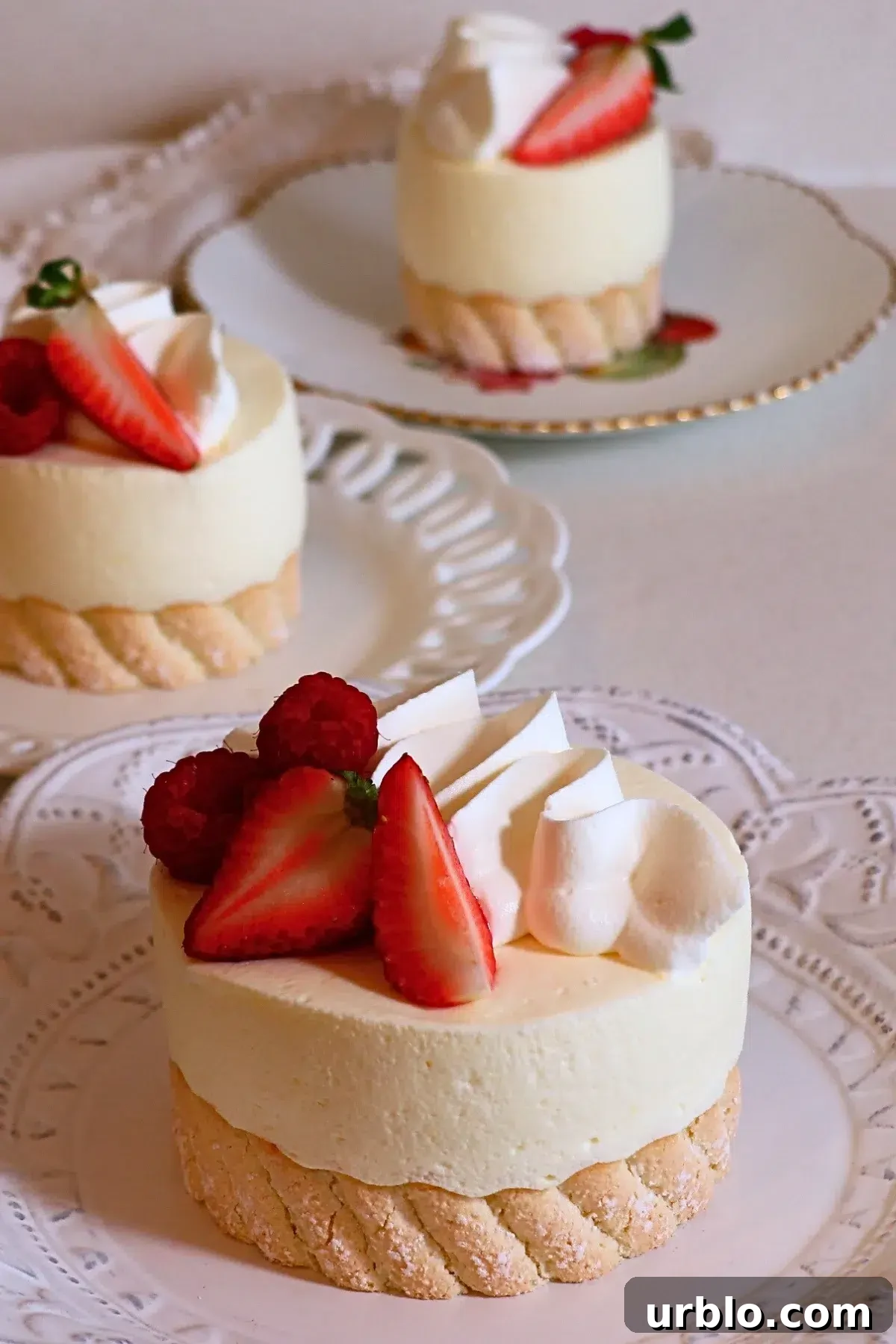
Tips for Making a Lemon Mousse Cake
- Freeze for a clean finish: Freeze cakes before unmolding from rings or molds to achieve smooth sides and sharp edges.
- Balance stability and texture: This mousse is intentionally light with minimal gelatin. For tall or large cakes, add a bit more gelatin or use a sponge cake “belt” to support structure.
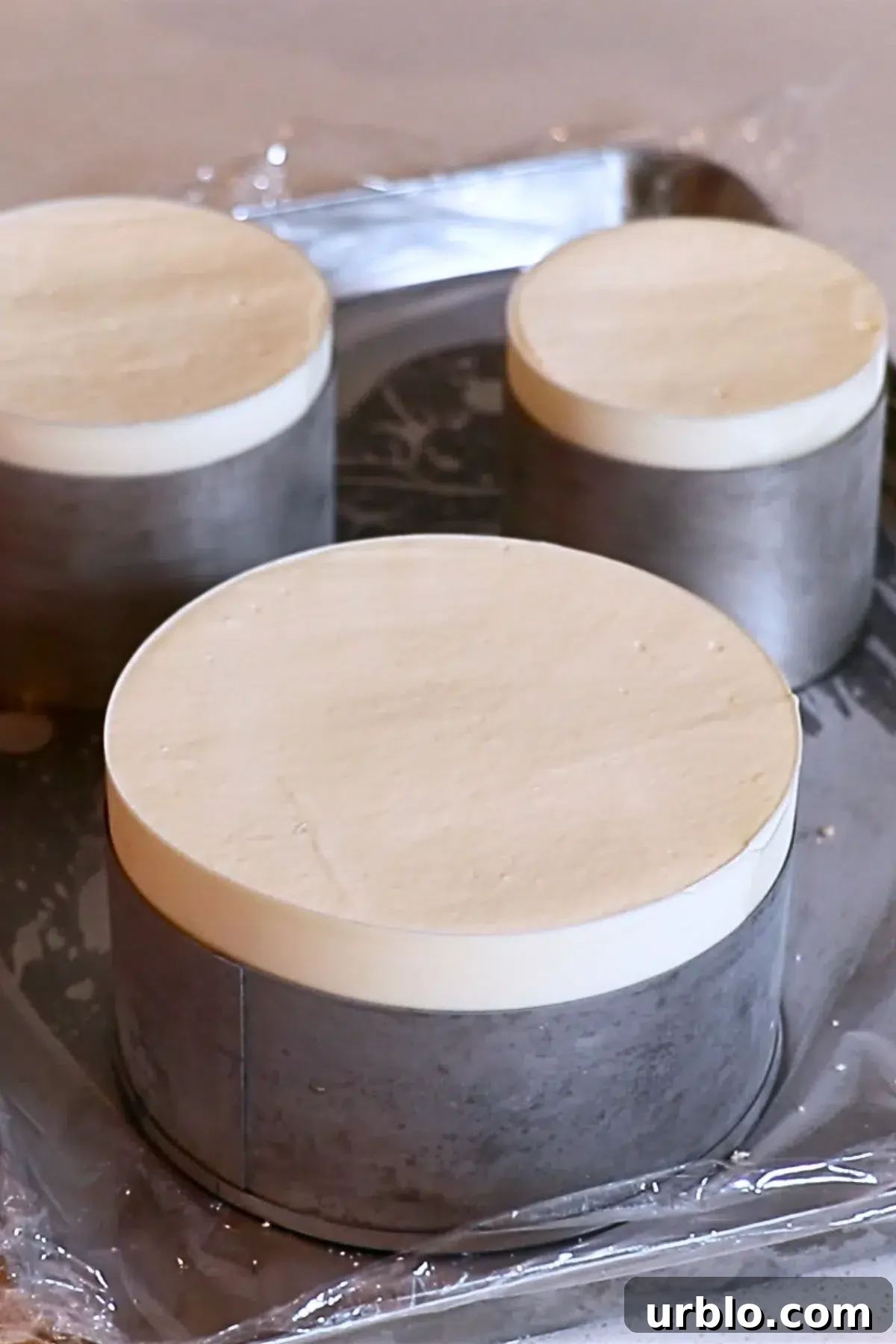
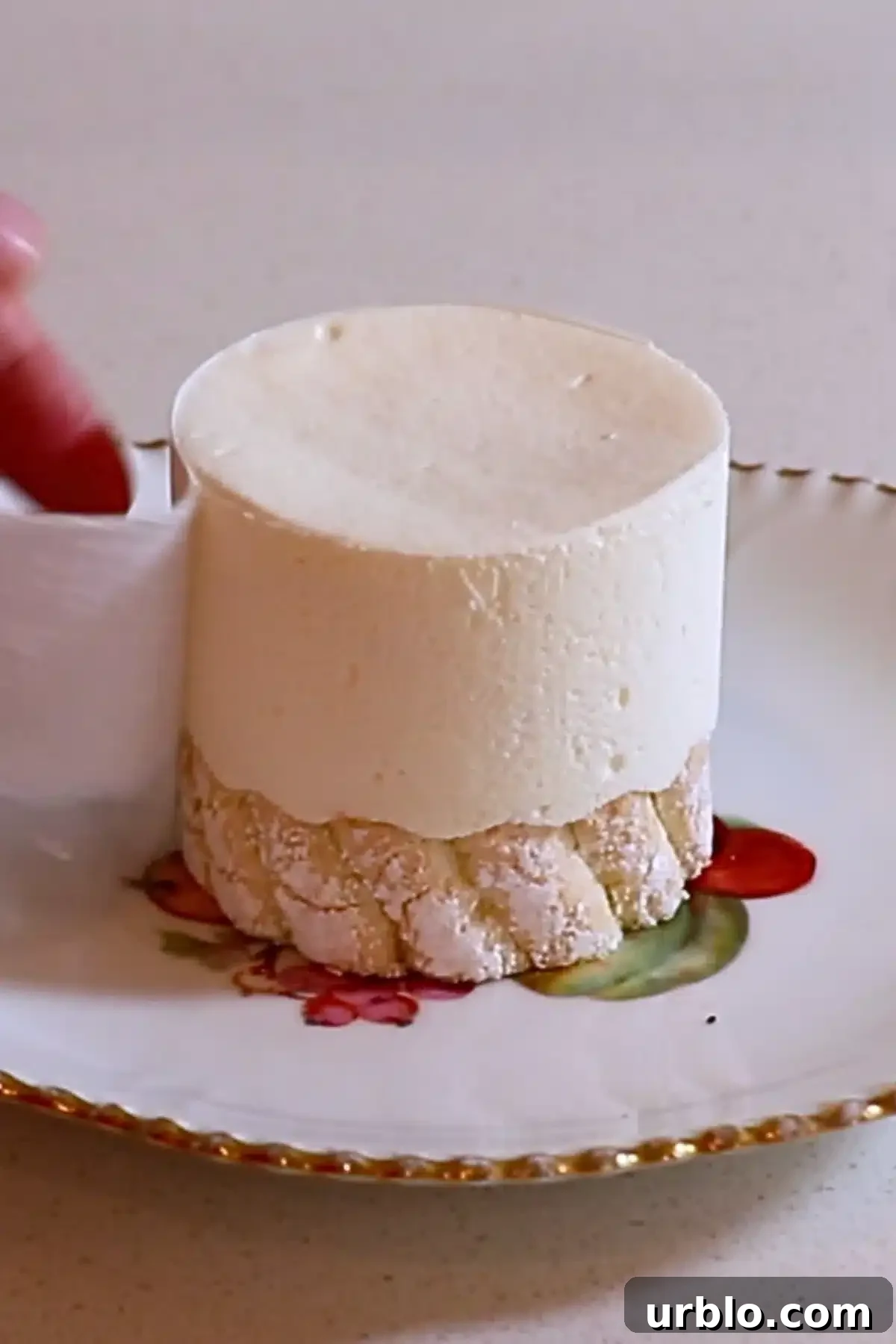
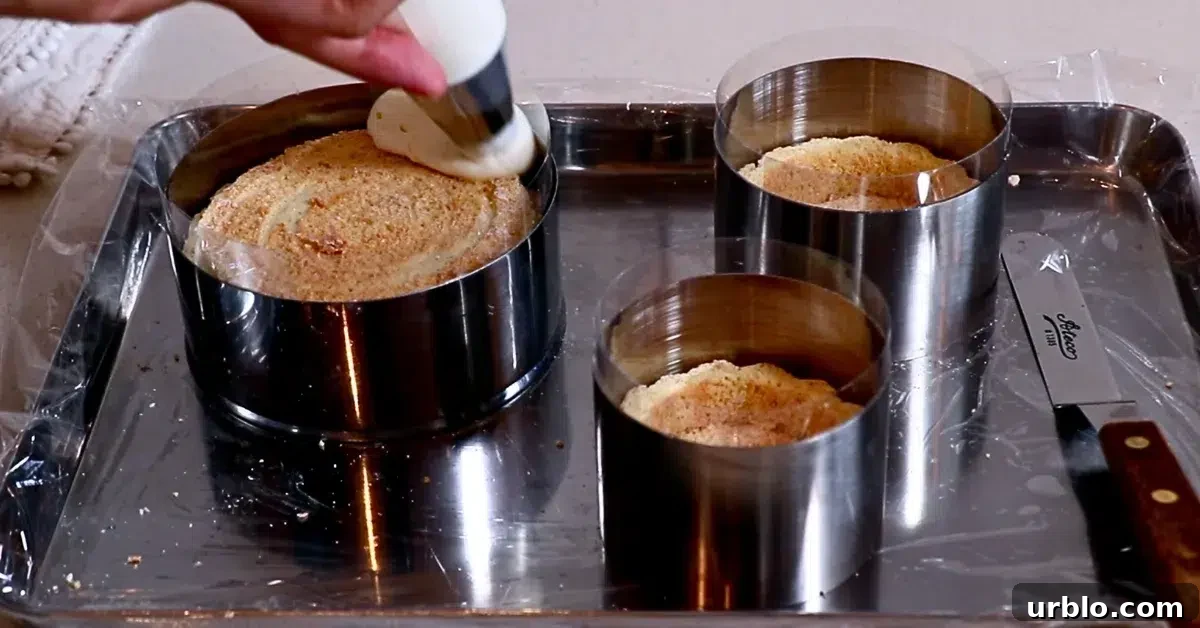
Two ways to ensure a perfect mousse cake
- Use a sponge cake belt: Wrap the mousse ring with a sponge “belt” and include sponge layers inside to add structure.
- Add extra gelatin for stability: Slightly increase gelatin when making tall or large mousse cakes (see notes in the recipe card for amounts).
How to Store It
Cover the mousse surface with plastic wrap or transfer to an airtight container. For best flavor and texture, consume within 24 hours when possible.
- Refrigerator: Up to a few days
- Freezer: Up to one month
Serving: Remove from the fridge just before serving to keep the mousse at the ideal texture; extended time at room temperature will soften it.
Frequently Asked Questions
Yes, but the mousse will be much softer and won’t hold a firm shape. It will resemble a thick lemon cream rather than a set mousse.
Lumps usually result from overheated eggs or from gelatin setting prematurely. Cook the curd gently to avoid curdling; if lumps form, strain or blend the curd until smooth. If gelatin has started to set, gently warm the curd to loosen before folding.
You can, but fresh-squeezed lemon juice gives a brighter, fresher flavor that elevates the mousse.
Yes. Keep the mixer near the stove and stream the hot syrup slowly into the whipping whites. It requires coordination, but a hand mixer works fine.
More Lemon Desserts
If you enjoy this light lemon mousse, try other lemon desserts such as lemon meringue tart, lemon pound cake, lemon madeleines, lemon buttercream, or a classic lemon curd.
Did you try the recipe?
Please share your feedback in the comment section. I’d love to hear how it turned out for your gatherings and special occasions.
Thank you! – Aya

Best Lemon Mousse
Ingredients
- 3.5 g gelatin powder (bloomed) or 2 sheets gelatin
- 50 g egg yolks (from about 3 eggs)
- 50 g granulated sugar
- Zest of 1 lemon
- 100 g lemon juice
- 300 g heavy cream
- 60 g water
- 150 g granulated sugar
- 95 g egg whites (about 3 eggs)
NOTE: Weighing ingredients produces the most consistent results. Cup conversions are provided for convenience.
Equipment
- Stand or hand mixer with whisk attachment
- Medium bowl for curd
- Fine mesh sieve
- Large bowl for whipped cream
- Small saucepan
- Rubber spatula and whisk
- Piping bag (optional)
- Serving glasses (one batch yields eight 4-oz cups)
Method
- Bloom gelatin in icy water for 10 minutes (powder or sheets).
- Whisk sugar and yolks in a small saucepan. Add lemon zest and part of the lemon juice, then the rest gradually. Mix to avoid lumps.
- Heat gently, stirring constantly, until it reaches a gentle boil. Remove from heat.
- Pass through a fine sieve for a smooth curd.
- Stir bloomed gelatin into the hot curd until fully dissolved. Cool slightly until just warm.
- Beat cold heavy cream to stiff peaks. Chill until ready to use.
- Combine sugar and water; heat without stirring to 244ºF (118ºC), brushing the pan sides to prevent crystallization.
- Whip egg whites to soft peaks while the syrup heats. Slowly stream the hot syrup into the whites while whipping, then continue until the meringue cools to room temperature or is slightly warm.
- Fold the meringue into the whipped cream until about half combined.
- Gently fold in the lemon curd until the mixture is 80–90% blended. Finish folding carefully to keep the mousse airy.
- Pipe or spoon into serving glasses and chill for a few hours.
Notes
Storage: Cover the surface with plastic wrap or store in an airtight container. Best consumed within 24 hours for optimal flavor and texture.
- Fridge: Up to a few days
- Freezer: Up to one month
For mousse cakes: Increase gelatin slightly—powder: about 1 1/4 teaspoons; sheets: about 2.25–2.5 sheets—for more stability in tall or large cakes.
Nutrition
Calories: 255 kcal • Carbohydrates: 27 g • Protein: 4 g • Fat: 15 g • Vitamin C: 6 mg
Tried this recipe?
Let us know how it went in the comments.