Last updated: March 2026 — This post was reviewed and updated with new tips for recovering after gluten exposure.
Accidentally got glutened? It happens, even when you’re careful. While you can’t instantly reverse exposure, you can reduce symptoms, support your gut, and help your body recover faster with a few practical steps.

Symptoms of Being Glutened
Symptoms can appear within hours or take a day or two. For some people they’re mild; for others they can be intense and last several days.
Common symptoms include:
- Bloating, abdominal pain, diarrhea, or nausea
- Fatigue and brain fog
- Headaches or migraines
- Skin reactions such as rashes
- Joint pain or inflammation
Celiac Disease vs. Gluten Sensitivity
These conditions are often confused, but they are different.
Celiac disease is an autoimmune disorder in which even tiny amounts of gluten trigger an immune response that damages the small intestine and impairs nutrient absorption.
Non-celiac gluten sensitivity does not cause intestinal damage but can still lead to uncomfortable symptoms like bloating, fatigue, and digestive upset.
If you have celiac disease, strict gluten avoidance is essential—there is no safe amount.
How Long Does Recovery Take After Being Glutened?
Recovery varies by person, but a common timeline is:
- 24–72 hours: symptoms often peak
- 3–7 days: symptoms typically begin to ease
- 1–2 weeks: digestion and energy usually improve
People with celiac disease or more severe reactions may require longer for full gut healing.
What to Do Immediately After Being Glutened
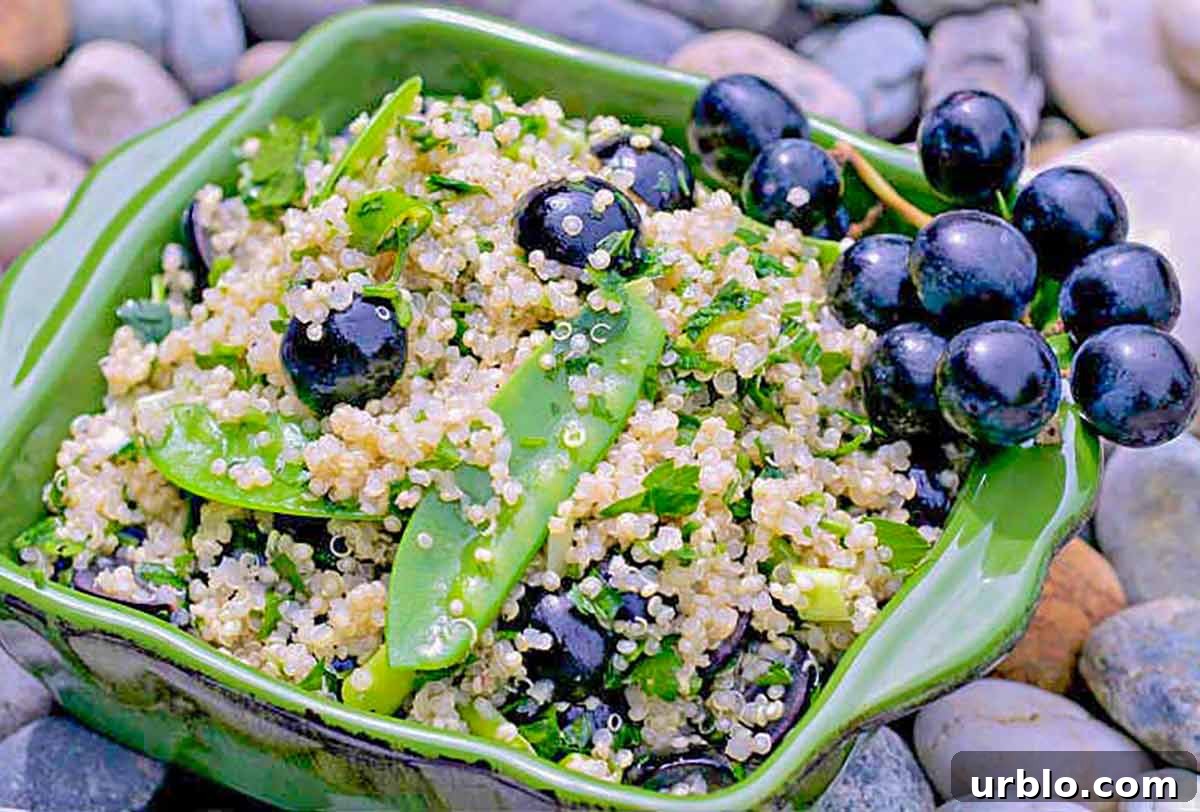
The aim is to support recovery, not to “detox.” Start with the basics:
- Drink plenty of water to stay hydrated
- Stop further gluten exposure immediately
- Prioritize rest and sleep
- Choose simple, easy-to-digest meals
If you’re wondering what to eat after being glutened, focus on gentle, gut-friendly foods for a few days.
What to Eat After Being Glutened
When your digestion is sensitive, simple foods are easier to tolerate and can help reduce symptoms.
Start with:
- Plain rice, potatoes, and ripe bananas
- Applesauce
- Clear broths and simple soups
- Eggs or lean proteins
- Cooked vegetables (avoid raw vegetables initially)
Smaller, more frequent meals can be easier on an upset stomach. Below are several easy gluten-free meal ideas suitable for recovery.
6 Simple Ways to Recover Faster
Small adjustments often speed recovery:
- Stay consistently hydrated
- Eat bland, easy-to-digest foods
- Limit dairy temporarily if it worsens symptoms
- Use probiotics if they help you
- Prioritize rest and good sleep
- Avoid alcohol, greasy foods, and anything hard to digest
How to Soothe Stomach Pain After Gluten Exposure
For cramping or discomfort, try supportive, gentle measures:
- Sip water or electrolyte drinks throughout the day
- Stick with bland foods until symptoms improve
- Use a heating pad for abdominal discomfort
- Avoid caffeine, spicy foods, and heavy meals
If symptoms are severe or last more than a few days, consult your healthcare provider.
Is Gluten-Free Food Always Safe?
Products labeled gluten-free must contain less than 20 parts per million (ppm) of gluten, which is considered safe for most people. Cross-contamination can still occur, especially in shared kitchens or restaurants, so remain cautious.
Can Gluten Intolerance Be Reversed?
No—neither celiac disease nor non-celiac gluten sensitivity can be reversed. The good news is that most people feel significantly better when they consistently avoid gluten.
Why Gut Recovery Matters After Gluten Exposure
After exposure, the gut is inflamed and more sensitive. Supporting recovery helps:
- Restore nutrient absorption
- Reduce lingering digestive symptoms
- Improve energy levels
- Support overall gut health
If symptoms recur frequently, working with a registered dietitian or clinician can help identify hidden gluten sources or other triggers.
Some people find a low-FODMAP approach helpful when IBS-like symptoms persist, but individual responses vary.
Stay hydrated and listen to your body as you recover.
Gluten Recovery Recipes: What to Eat When You’ve Been Glutened
Simple, nourishing meals are best when your stomach is unsettled. Here are categories of recovery-friendly recipes to try.
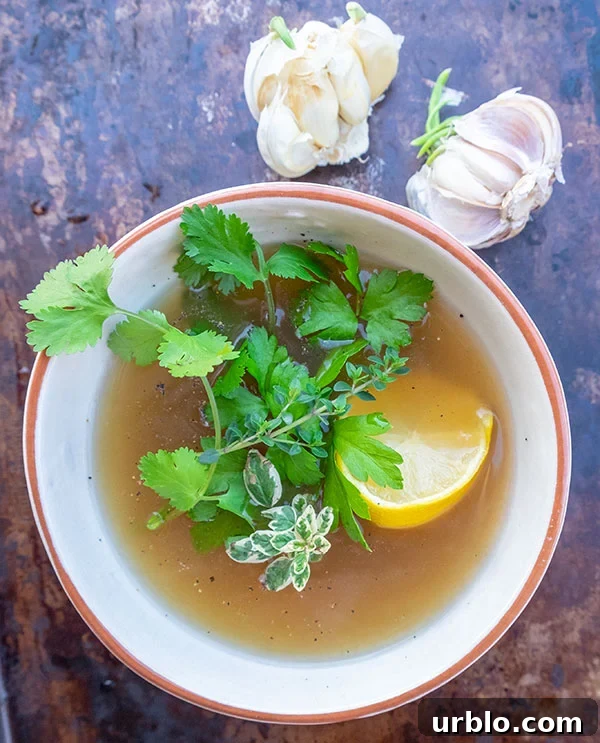
Soothing Soups & Broths
Warm broths and simple soups provide hydration and easy nutrition—ideal when you need comfort and gentle digestion.
Anti-Inflammatory Drinks

Hydrating, anti-inflammatory drinks like ginger or turmeric tonics and bone broth can be soothing and supportive.
Easy, Nourishing Meals
When you’re ready for more substance, choose meals with gentle whole grains, lean protein, and cooked vegetables to rebuild strength without upsetting your digestion.
Light Breakfasts & Snacks
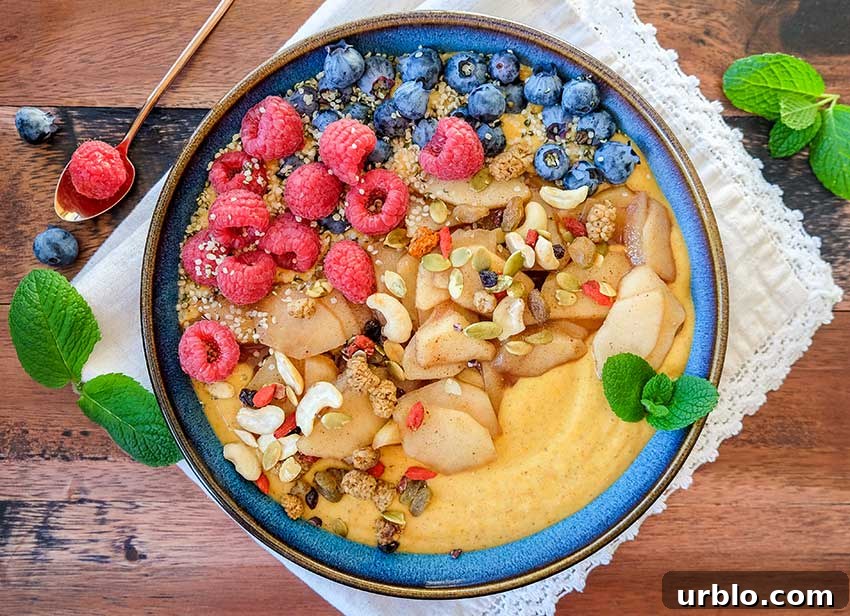
Simple smoothies, yogurt bowls (if dairy is tolerated), and fruit-based snacks can be gentle when appetite is low.
Simple Staples
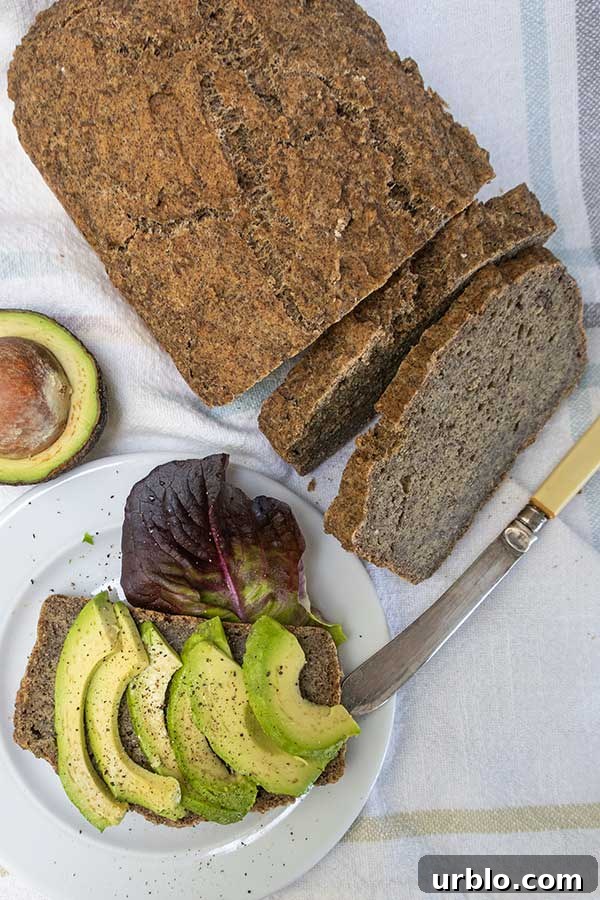
Keep safe staples like plain rice, potatoes, cooked vegetables, eggs, and gluten-free pantry items on hand for quick recovery meals.
How to Avoid Getting Glutened Again
Once you’ve experienced symptoms, avoiding a repeat is a priority. Helpful habits include:
- Ask detailed questions when eating out
- Avoid high-risk situations like buffets or shared fryers
- Prevent cross-contamination at home by cleaning surfaces and using separate utensils
- Read labels every time, even for familiar products
- When in doubt, choose a safe alternative or skip the item
FAQs About Gluten Exposure

What should I do immediately after eating gluten?
Drink water, stop further exposure, rest, and switch to simple, easy-to-digest foods while your body recovers.
How long do gluten symptoms last?
Most symptoms improve within a few days, though some people may experience effects for one to two weeks.
Can you flush gluten out of your system?
No—you cannot flush it out, but staying hydrated, resting, and supporting digestion can help your body process it more efficiently.
What foods should I avoid after being glutened?
Avoid greasy, spicy, or highly processed foods, plus alcohol and excess caffeine, until symptoms resolve.
Do probiotics help after gluten exposure?
Probiotics may support gut balance for some people, though benefits vary between individuals.
If this guide helped you after being glutened, try some of these gut-friendly recipes to support your recovery. From soothing soups to nourishing meals, they can make bouncing back easier.
Here’s to feeling better and stronger after every gluten slip-up!
Kristina x
This article is for informational purposes only and is not intended as medical advice.