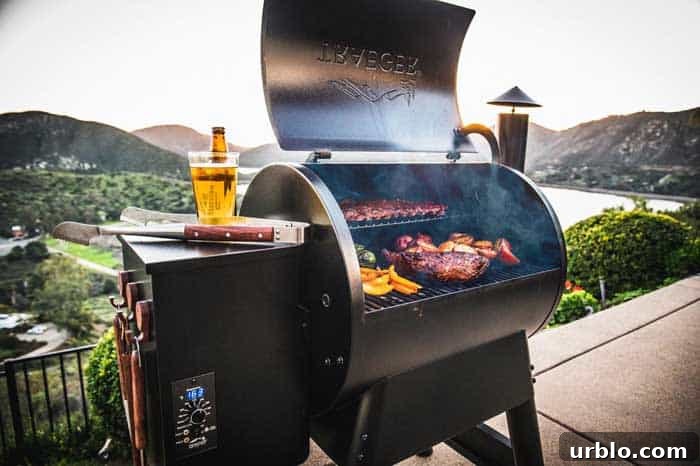
Wood pellet cookers and charcoal grills differ in many ways, from temperature range and fuel costs to maintenance and ease of use. If you’re deciding between the two, this guide breaks down the key differences so you can choose the right cooker for your backyard.
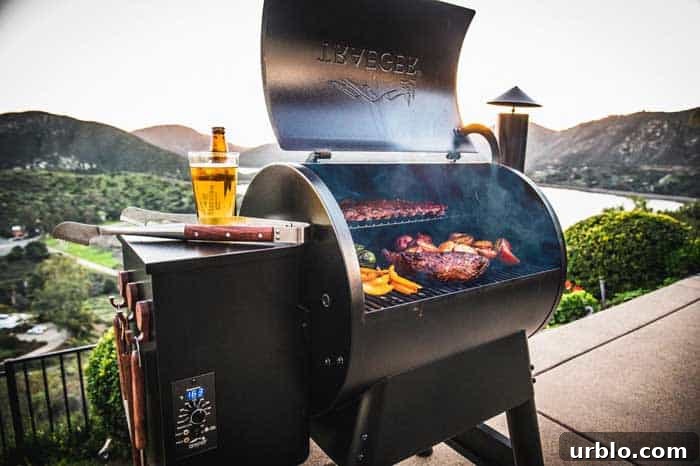
- Food flavor
- Costs
- Temperature control
- Heat range
- Fuel efficiency
- Who are they for?
Two popular backyard cooking options are the pellet smoker grill and the charcoal grill. Both excel at producing the smoky, charred flavors many home cooks seek, but they do so in different ways.
Below we compare their flavor profiles, costs, temperature control, heat range, fuel efficiency, and who each type of grill best serves. Use this breakdown to decide where you fall in the pellet grill vs charcoal grill debate.
Food flavor
Pellet grills use compressed wood pellets fed into the firebox by an auger, producing a consistent wood smoke flavor that enhances meats without overpowering them. Because wood pellets burn relatively cleanly, they often produce less visible smoke than charcoal with wood chips and yield a subtle, steady smokiness ideal for long cooks.
Charcoal grills typically use lump charcoal, which imparts a strong, classic charcoal aroma and flavor. When combined with wood chunks such as hickory, mesquite, or oak, charcoal grills can deliver intense smoke character. Charcoal cooking tends to produce more pronounced smoke and a distinct seared crust when cooking at high temperatures.
Costs
Consider both initial purchase price and ongoing operating expenses when choosing a grill.
Initial costs
Pellet grills generally cost more up front. Many models approach or exceed the mid-hundreds to around a thousand dollars, though there are affordable options below that range. Charcoal grills can be very inexpensive — simple kettle grills are often available for well under $100 — making them attractive for budget-conscious buyers.
Operating costs
Charcoal fuel can be inexpensive, especially basic briquettes, but quality matters. Lump charcoal burns cleaner and performs better, though it may cost more than low-grade briquettes. Charcoal grills have minimal mechanical parts, so maintenance and repair costs are typically low.
Pellet grills require electricity to run the hopper motor and electronic controls. Those components can require replacement over time, and parts like motors or control boards can add to maintenance costs. Pellets themselves should be stored properly to avoid moisture absorption; without ideal conditions their shelf life is shorter than properly stored lump charcoal.
Temperature control
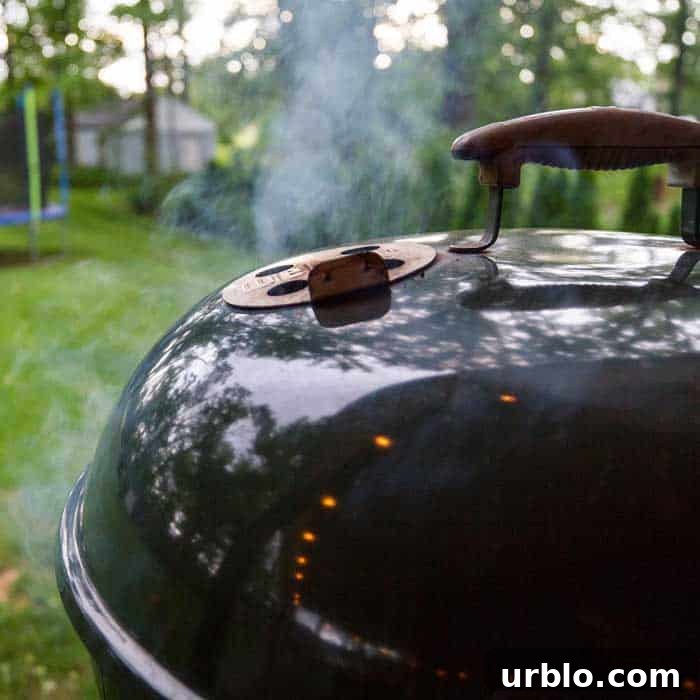
Charcoal grilling is a hands-on skill. You manage temperature by arranging coals, controlling air flow with vents, and adding or removing fuel. Learning to light, steady, and extinguish a charcoal fire takes practice, and adjusting between high-heat searing and low-and-slow smoking requires active tending.
Pellet grills are designed for convenience and repeatability. An electric auger and temperature control system automatically feed pellets to maintain the selected temperature. Set the desired temperature and the grill largely manages itself, which is helpful for cooks who prefer a low-maintenance approach or consistent results for long smokes.
Heat range
Pellet grills are optimized for smoking and low-and-slow cooking, typically handling steady temperatures ideal for extended cooks. Many can reach around 450°F and some higher, but they often struggle to reach the extreme searing temperatures charcoal can achieve.
Charcoal grills offer a wider top-end range for direct high-heat cooking. When configured correctly, charcoal setups can exceed 800°F with good lump charcoal, making them excellent for fast searing and creating a strong crust on steaks. Charcoal can also be set up for indirect smoking, though maintaining very steady low temperatures requires attention.
Fuel efficiency
Pellets deliver energy efficiently, and because the auger controls feed rate, pellet grills can run for many hours on a full hopper when cooking low and slow. That efficiency translates to predictable fuel use for longer smokes.
Charcoal can last several hours depending on how it’s managed. Under steady, low temperatures you can run an extended smoke with minimal coal changes; if you open vents or increase heat aggressively, fuel consumption spikes and coals will be used up much faster.
Who are they for?
Pellet grills are for people who:
- Enjoy the mild, wood-driven smoke flavor
- Prioritize consistent barbecue smoking over extreme high-heat searing
- Prefer automated temperature control and convenience
- Are willing to invest more up front for ease of use
- Value a cleaner-burning fuel source
Advantages of pellet grills
- Easy to start and set to a target temperature
- Consistent temperature control for long cooks
Negatives of pellet grills
- Require electricity and contain mechanical parts that can need replacement
- Augers can jam if low-quality pellets are used
- Pellets require proper storage to avoid moisture-related spoilage
Charcoal grills are for people who:
- Enjoy learning fire control and airflow management
- Prefer the stronger flavors and searing power of charcoal
- Value high-temperature grilling and quick searing
- Are shopping on a budget or want a portable option
Advantages of charcoal grills
- Low initial cost and simple design
- Versatile between high-heat searing and indirect smoking
- Capable of very high temperatures for excellent crust development
- Offers a traditional, hands-on grilling experience
Negatives of charcoal grills
- Steeper learning curve for consistent temperature control
- Lump charcoal can be messier to clean after repeated use
- Lighting and managing charcoal fires requires more effort
Choosing between a pellet grill and a charcoal grill comes down to priorities: convenience and steady results, or hands-on control and high-heat performance. Consider how you like to cook, how much time you’ll spend tending the fire, and the flavors you want to produce when making your decision.