I get a lot of questions about the FODMAP diet: who should follow it, what it actually is, and how to do it properly.
First, the most common question: yes — my gfJules Gluten Free All Purpose Flour is considered low FODMAP. It’s made from tapioca, corn, potato, and rice (non-GMO), which are low in FODMAPs. Having a reliable gluten-free, low-FODMAP flour makes baking easier when you’re minimizing high-FODMAP ingredients.
But why follow a low FODMAP diet and how do you do it? Many people don’t need to stay on a strict low FODMAP diet forever. The typical approach is to eliminate many gas-producing foods for a period, then reintroduce them gradually to identify personal trigger foods. That way you only avoid the items that cause your symptoms instead of restricting your whole diet indefinitely.
Personally, I don’t tolerate fructans well (onions, garlic, wheat), so I avoid those but still enjoy plenty of other foods, some of which contain FODMAPs at tolerable levels.
I asked E.A. Stewart to share professional guidance on using the low FODMAP diet. E.A. is a nutrition coach, integrative dietitian, gluten-free recipe developer, and digestive health expert. Her approach focuses on restoring comfort without unnecessary deprivation.
 E.A. describes her philosophy simply: no one diet fits all, but a healthy diet is built on whole, minimally processed ingredients, with room to enjoy favorite foods. Life’s too short not to eat the cookie.
Please leave questions or comments on this post — E.A. and I will respond. Have you tried a low FODMAP diet? Did it help? Would you like more low FODMAP recipes? What ingredients do you rely on when reducing FODMAPs? Let us know.
Here is E.A.’s overview:
Thanks so much Jules for inviting me to talk to your readers about the low FODMAP diet! I’ve helped many clients with IBS find relief using this approach. Below is an explanation of the diet, who should try it, and practical steps for following it.
What is a Low FODMAP Diet & Who Should Try It?
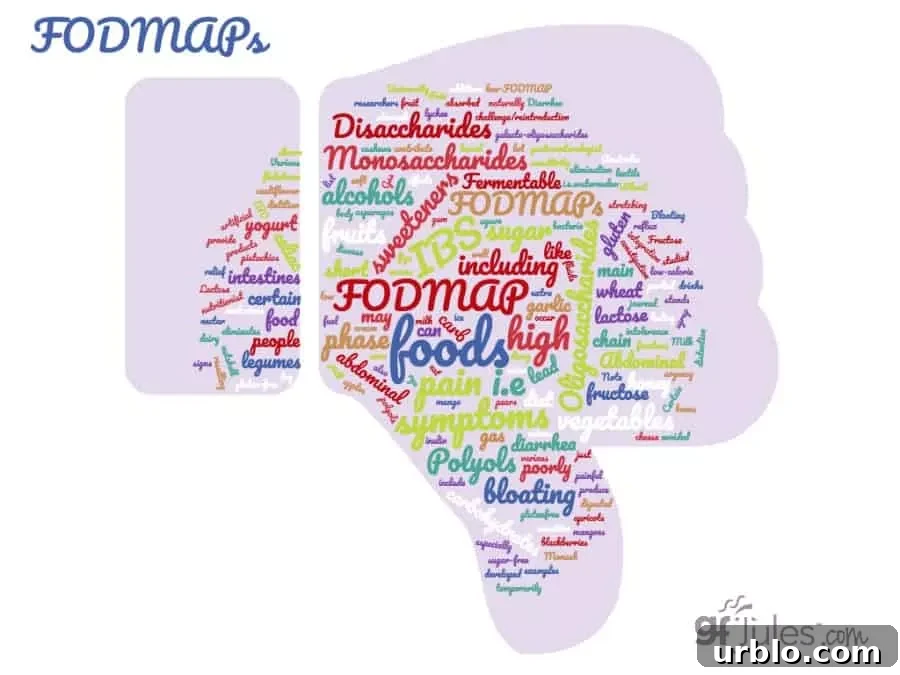
The low FODMAP diet, developed and studied by researchers at Monash University, has been shown to relieve IBS symptoms for many people. It temporarily removes foods high in FODMAPs — fermentable oligosaccharides, disaccharides, monosaccharides, and polyols — which can trigger gas, bloating, pain, constipation, and diarrhea.
High FODMAP groups include fructans (onions, garlic, wheat, inulin), galacto-oligosaccharides (legumes, pistachios, cashews), lactose (milk, some yogurts), excess fructose (apples, mango, honey), and polyols (apricots, pears, cauliflower, some sugar alcohols). FODMAPs are short-chain carbohydrates and sugar alcohols that are poorly absorbed and can feed gut bacteria that produce gas, and they can draw water into the intestines, causing loose stools.
If you’ve been diagnosed with IBS and other conditions have been ruled out, a trial of the low FODMAP diet is often worthwhile.
What Can I Eat on a Low FODMAP Diet
The elimination phase can feel restrictive at first, but many foods remain allowed. Examples include:
- Fruit: most berries, citrus, melon, grapes, kiwi
- Vegetables: bell peppers, cabbage, carrots, cucumbers, leafy greens, potatoes, tomatoes
- Grains: corn, oats, quinoa, rice
- Nuts & seeds: almonds (in limited amounts), chia, pecans, pumpkin seeds, walnuts
- Legumes: canned or well-prepared chickpeas and lentils in tolerated amounts, peanuts
- Dairy: hard cheeses and lactose-free dairy
- Herbs & spices: most are fine
- Eggs, fish, meat, and oils: plain versions are allowed since FODMAPs are in carbohydrate-containing foods
Food lists can differ across sources because testing and recommendations are updated. For the most current guidance, consult the Monash University low FODMAP app or other authoritative resources.
How to Follow a Low FODMAP Diet
The diet includes three phases: elimination, reintroduction (challenge), and integration.
Step 1 — Eliminate
In the elimination phase, typically 2–6 weeks (about 4 weeks on average), you avoid high FODMAP foods as consistently as possible. Unlike celiac disease, consuming high-FODMAP foods won’t cause long-term damage to the gut, so perfection isn’t required. Reducing anxiety around the diet is important because stress can worsen IBS symptoms.
Step 2 — Challenge (Reintroduce)
Once symptoms improve, you systematically reintroduce individual high FODMAP foods to identify which ones cause symptoms. This phase shouldn’t be rushed; the goal is to reintroduce as many foods as tolerated. Keep a food and symptom journal and consider working with a dietitian experienced in the low FODMAP approach for guidance.
Step 3 — Integrate
After identifying your personal triggers, integrate the foods you tolerate into a varied, nourishing diet while minimizing symptoms. You might still choose to eat some trigger foods occasionally, for example when traveling, by planning meals to limit symptom risk.
The integration phase is also a good time to explore other IBS management strategies: stress reduction, exercise, gut-directed therapies, and targeted supplements such as probiotics, fiber, or digestive enzymes (for lactose or certain oligosaccharides). Wherever possible, aim to include a variety of prebiotic and probiotic foods if they are tolerated.
If symptoms persist after a low FODMAP trial, or if your diet becomes overly restricted, consult your physician or a dietitian specializing in digestive disorders for next steps.
How to Eat Deliciously on a Low FODMAP Diet
There are many tasty low FODMAP recipes available. A few examples include:
- Fresh and Easy Quinoa Tabbouleh
- Gluten-Free Overnight Oats or Waffles
- Gluten Free Granola Pancakes
- Gluten Free Fruit Crisp
- Rosemary Pecan Chicken Salad on Zucchini Chips
- Gluten Free Lemon-Almond Cake
- Raspberry Lemon Scones (one-bowl)
- Granola without oats or nuts
- Green Banana Flour Brownie Bites
- Reverse Gluten Free Oatmeal Crisp
- Tostones (fried plantains)
- Baked Zucchini Fries
If you have questions about the low FODMAP diet, you can contact E.A. Stewart for professional guidance.