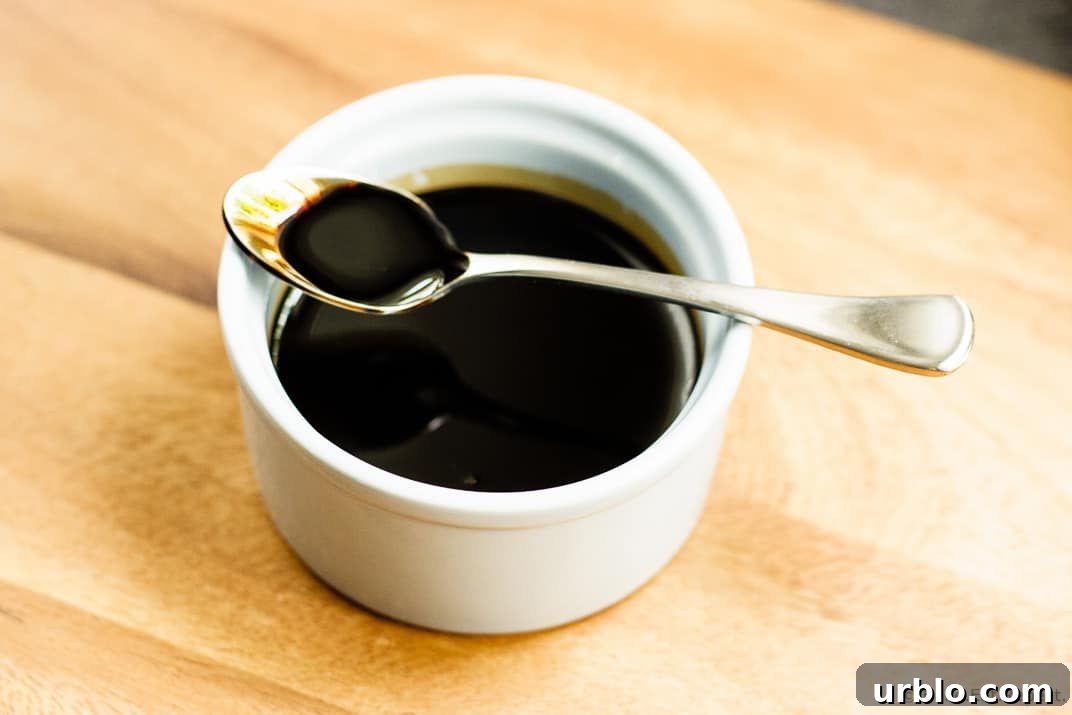
My entire house has been under the weather this past week. It felt odd—who gets sick in the middle of summer? This cold hit us hard, worse than anything we’ve had recently, and it made for a frustrating stretch of days. Sitting bundled on the couch with a blanket while summer stretches outside the window seemed especially wasteful. Still, these things happen and it will pass. Once we’re all better, we’ll be back to spray decks, playground visits, and the simple joys of summer. For now I’m keeping this short so I can gather the energy to prepare dinner for my family.
Have you tried making balsamic glaze at home? It’s become a favorite of mine. Once I discovered how simple it is, I started using it on practically everything. If you have balsamic vinegar, a saucepan, and a whisk, you already have what you need. The process is straightforward: simmer the vinegar until it reduces and thickens. It takes about 15 to 20 minutes and requires occasional attention so the vinegar doesn’t burn, but otherwise it’s one of the easiest condiments to make.
The end result is a glossy, syrupy glaze with concentrated flavor. I use it as a salad dressing on its own—no oil required—drizzle it over roasted vegetables, fresh tomatoes and mozzarella, grilled meats, or even a scoop of vanilla ice cream for an elegant finishing touch. It brightens simple dishes and elevates familiar flavors without much effort.
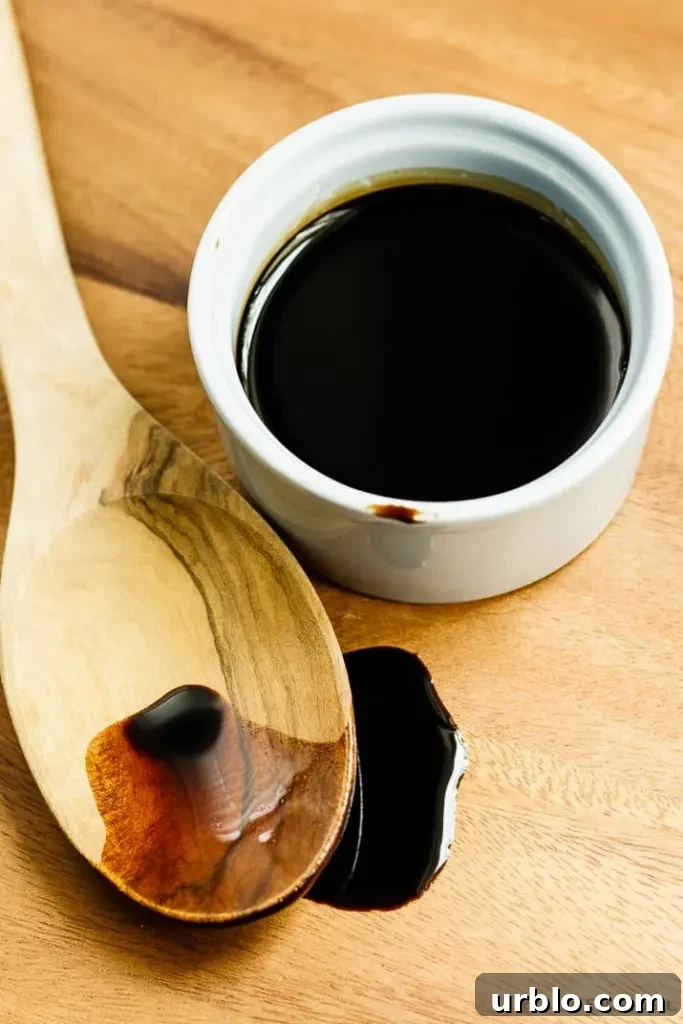
Homemade Balsamic Glaze
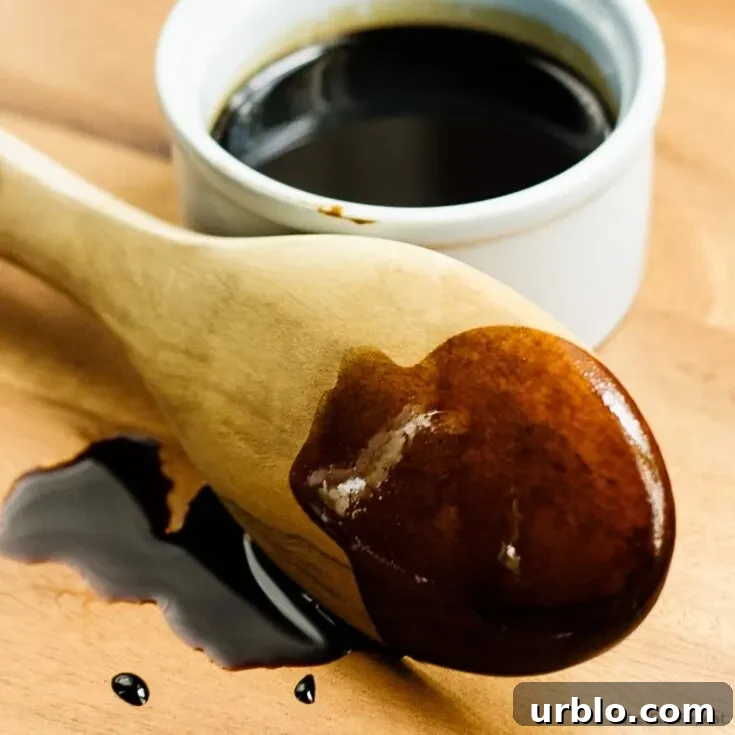
Easy to make, homemade balsamic glaze is a versatile condiment that enhances salads, roasted vegetables, cheeses, and grilled dishes. It stores well in the refrigerator and keeps for several weeks when sealed in an airtight container.
15 minutes
15 minutes
Ingredients
- 1 cup balsamic vinegar
Instructions
- Pour the balsamic vinegar into a medium-sized saucepan and place it over medium-high heat.
- Bring the vinegar to a gentle boil, then lower the heat to medium-low to maintain a low simmer.
- Simmer the vinegar, whisking occasionally to prevent sticking or burning. Continue reducing until the liquid has thickened and decreased by about two-thirds to three-quarters; this usually takes 15–20 minutes.
- Do not leave the pan unattended—balsamic vinegar can scorch quickly if left to reduce unchecked.
- When the vinegar has reduced to a syrupy consistency, remove the pan from the heat and let the glaze cool completely. It will thicken further as it cools.
- Transfer the cooled glaze to an airtight container and store it in the refrigerator. The glaze will keep for several weeks when refrigerated.
Recommended Equipment
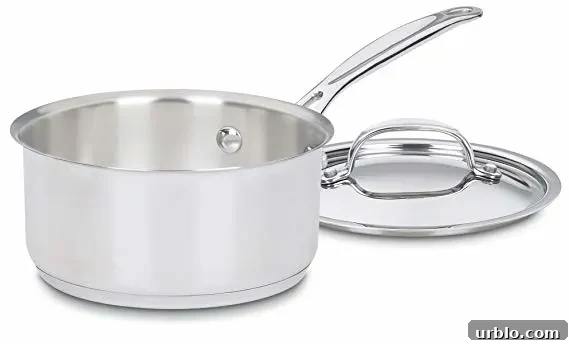
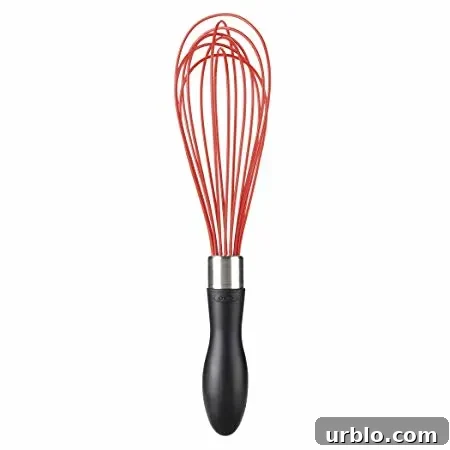
A few simple tools make this easy: a medium stainless saucepan, a whisk to stir while reducing, and measuring cups. Good quality equipment ensures even heating and makes the process effortless.
-
 Classic Stainless Saucepan
 -
Silicone Balloon Whisk
-
Measuring Cups and Spoons
Nutrition Information:
Yield:
12
Serving Size:
1 teaspoon
Amount Per Serving:
Calories: 14
Total Fat: 0g
Cholesterol: 0mg
Sodium: 4mg
Carbohydrates: 3g
Sugar: 2g
Protein: 0g
Nutrition information is estimated and may vary based on the ingredients you use.
Tips and variations: Use a good-quality balsamic vinegar for the best flavor; aged balsamic will produce a richer, sweeter glaze. If you prefer a slightly sweeter glaze, add a teaspoon of honey or maple syrup near the end of cooking and stir to combine. For a savory twist, stir in a small pinch of salt or a drop of soy sauce. Always reduce over moderate heat and watch closely—over-reduction will make the glaze too thick once chilled. If your glaze becomes too solid in the refrigerator, warm it gently for a few seconds to loosen before use.
Balsamic glaze is an easy, flexible addition to your pantry. It takes little hands-on time, stores well, and transforms everyday dishes into something a bit more special. Try making a batch this week so you have it on hand for salads, appetizers, grilled foods, and desserts.