Keeping Ice Cream Fresher and From Getting Rock Hard
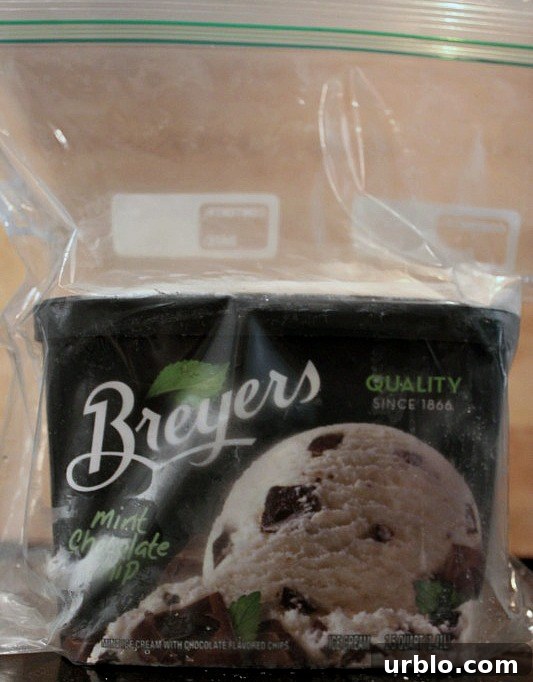
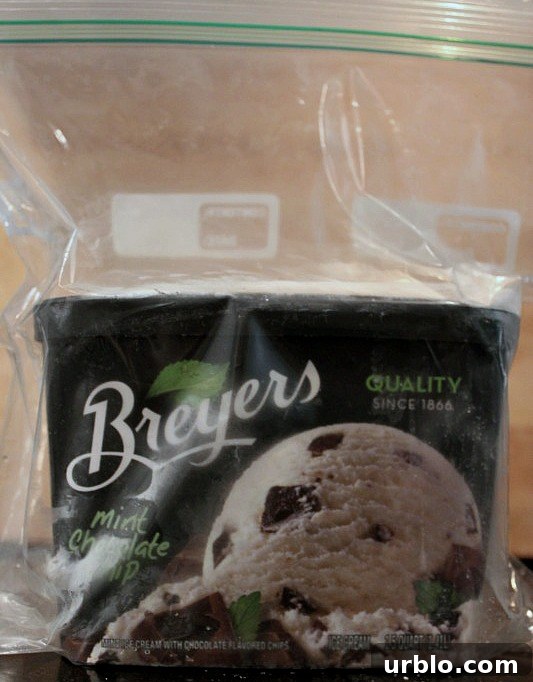
Ice cream is one of those simple pleasures that can be ruined by becoming rock hard in the freezer. A quick, effective trick I learned from a magazine and have used at home ever since will help keep your ice cream scoopable and fresh longer: place the ice cream container inside a resealable freezer bag before returning it to the freezer. This extra layer of protection reduces exposure to cold, dry air and slows the formation of ice crystals, making scooping easier and preserving texture and flavor.
Here’s why the method works and how to use it most effectively. When ice cream sits in a freezer, moisture can migrate to the surface and refreeze as tiny crystals. Over time, these crystals grow and change the texture, making the ice cream hard and grainy. An airtight freezer bag limits airflow and reduces moisture loss, which helps prevent those crystals from forming rapidly. The bag also adds a small insulating layer that softens the extreme temperature swings some freezers experience when the door is opened and closed.
To use this trick, simply set the whole pint, tub, or container into a clean, appropriately sized resealable freezer bag. Squeeze out as much air as you can before sealing to improve the protective effect. If the ice cream came in a cardboard or thin plastic container, the bag provides an added barrier against odors and freezer burn. If you prefer, you can wrap the container in plastic wrap first, then place it in the freezer bag for an extra-tight seal.
Storage time matters too. For best taste and texture, don’t keep commercial or homemade ice cream in the freezer indefinitely. While quality will decline over time, try to rotate through tubs within a few weeks to a couple of months depending on the ice cream and how well it’s sealed. Homemade ice cream tends to be best within a shorter time frame because it often contains less stabilizer than store-bought versions. Labeling tubs with the date you froze them helps you use them while they’re at peak quality.
When you want to serve the ice cream, let it sit at room temperature for a few minutes rather than microwaving. Allowing the ice cream to rest on the counter for five to ten minutes (time varies by size of container and freezer hardness) softens it evenly and preserves the texture. Microwaving can melt some areas faster than others, resulting in uneven softness and a watery, refrozen mess. Gentle resting yields a scoopable, creamy result without compromising structure.
Other helpful tips to preserve ice cream quality:
- Keep an inner plastic lid or piece of parchment directly on the surface of the ice cream to reduce surface air exposure between scoops.
- Store ice cream toward the back of the freezer where temperatures are most stable instead of the door, which experiences the most fluctuation.
- Avoid introducing warm scoops back into the container; if possible, portion out what you want to eat and return the tub quickly to the freezer.
- If you’re transferring ice cream to another container, use a clean, airtight tub with minimal headspace to limit air exposure.
Following these simple practices keeps ice cream tasting fresher and prevents that dreaded rock-hard texture. The resealable freezer bag trick is an inexpensive, easy step you can add to your routine that makes a noticeable difference—no special equipment needed. Scoop, enjoy, and store smarter.
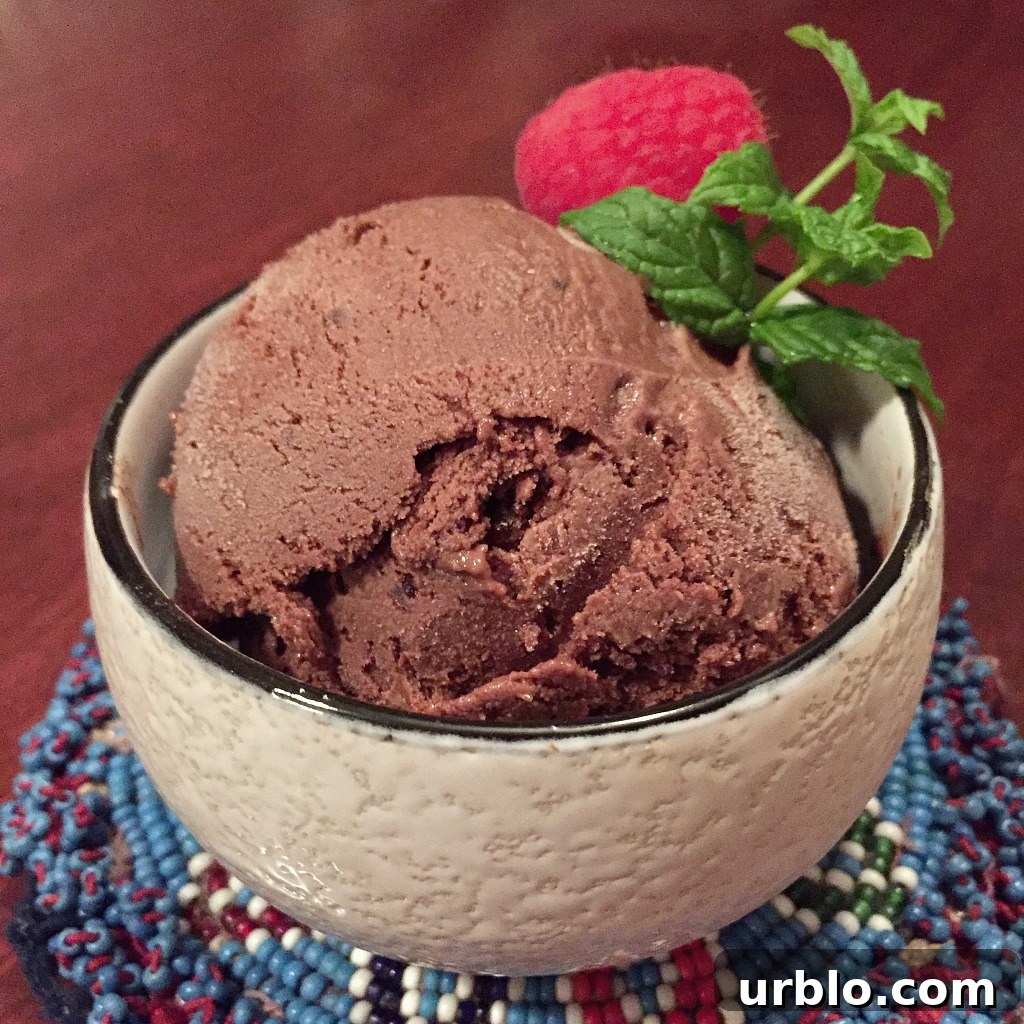
Delectable Dark Chocolate Gelato