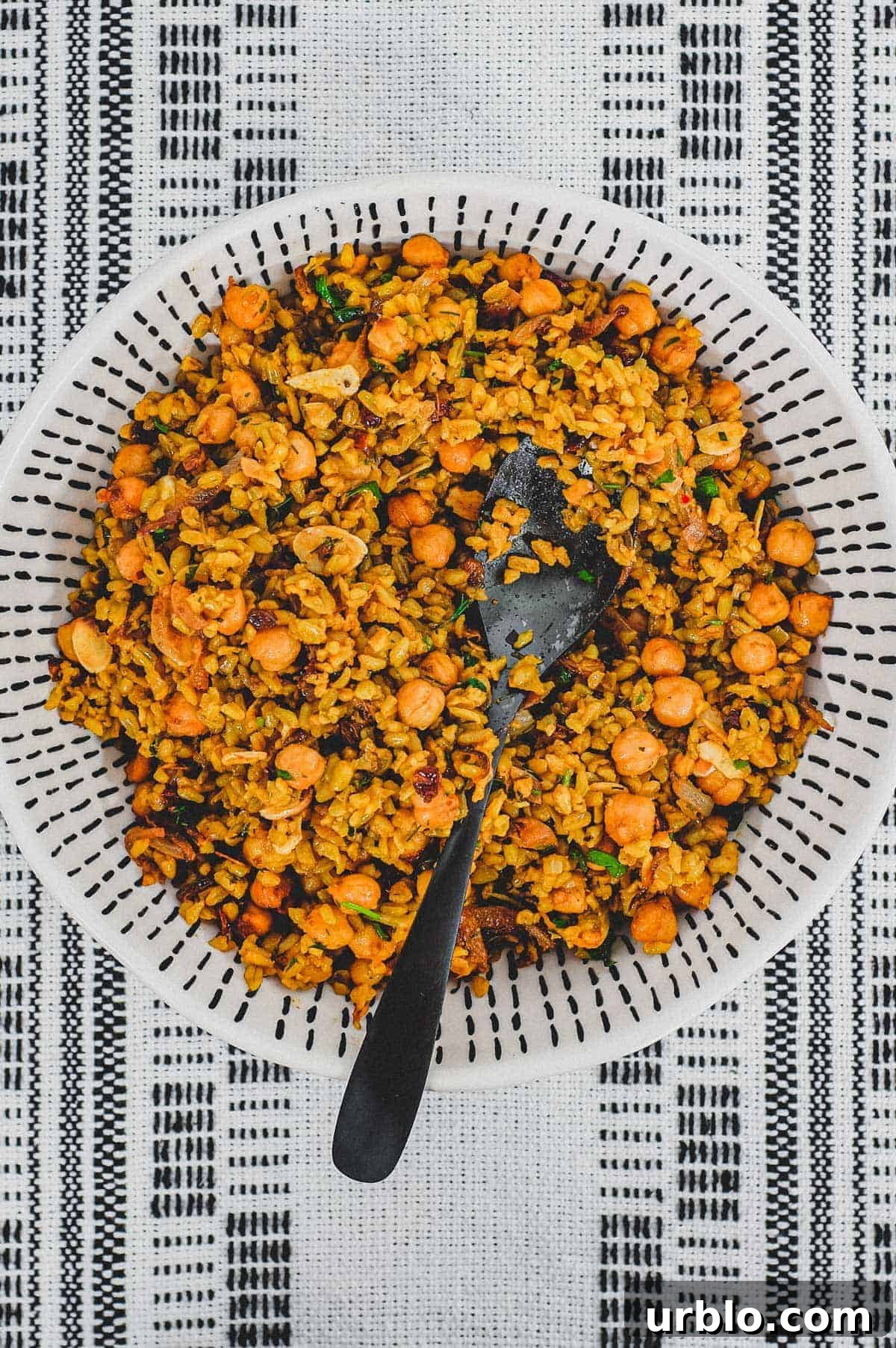
Freekeh Pilaf with Chickpeas
By Lee Jackson ↣ Published on: September 17, 2021
My freekeh pilaf is a layered, flavourful dish that balances colour, texture and aromatic spices. This Middle Eastern-style recipe is one of my favourites to serve as an alternative to rice, and it often steals the show at the table.
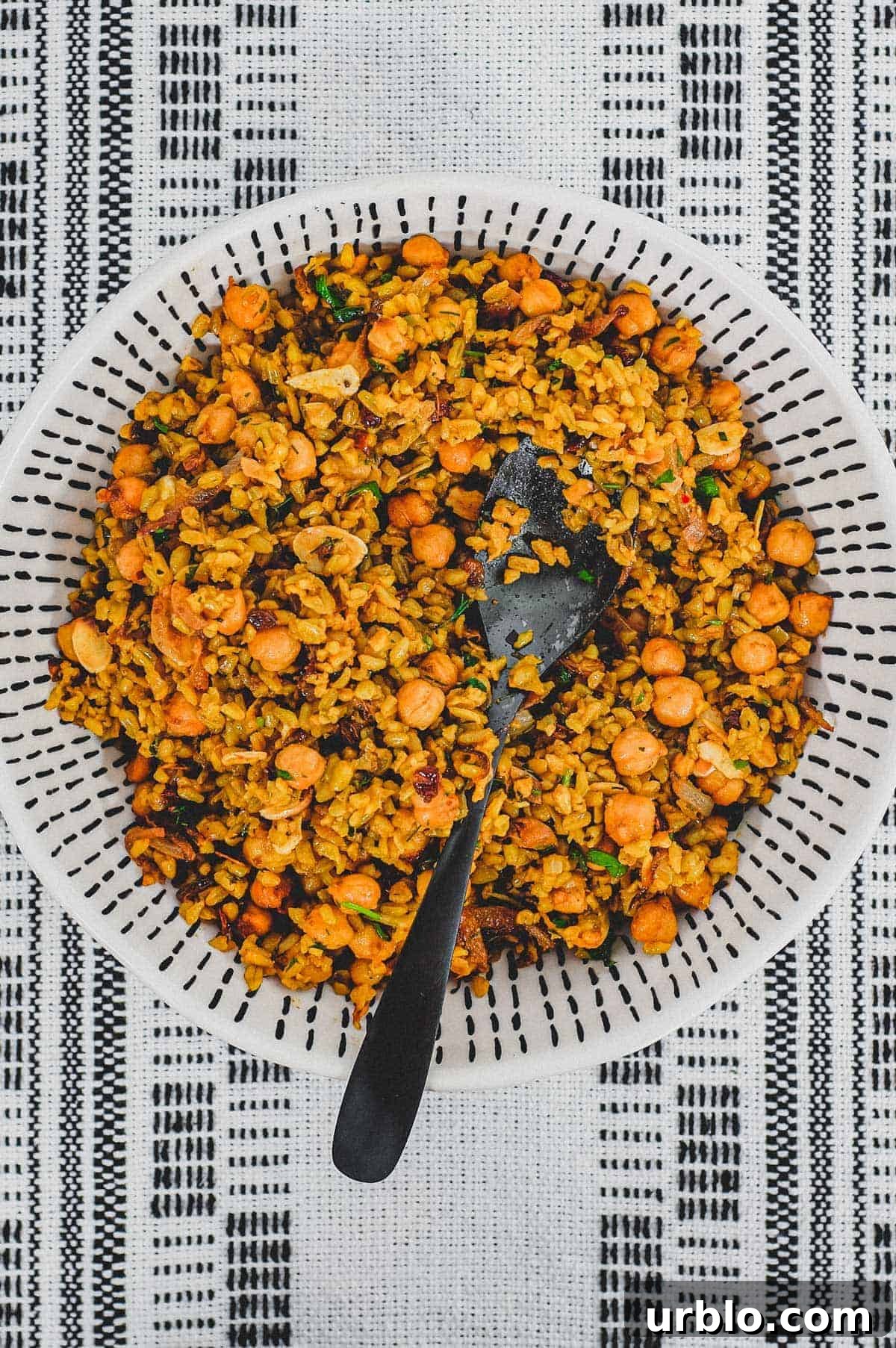
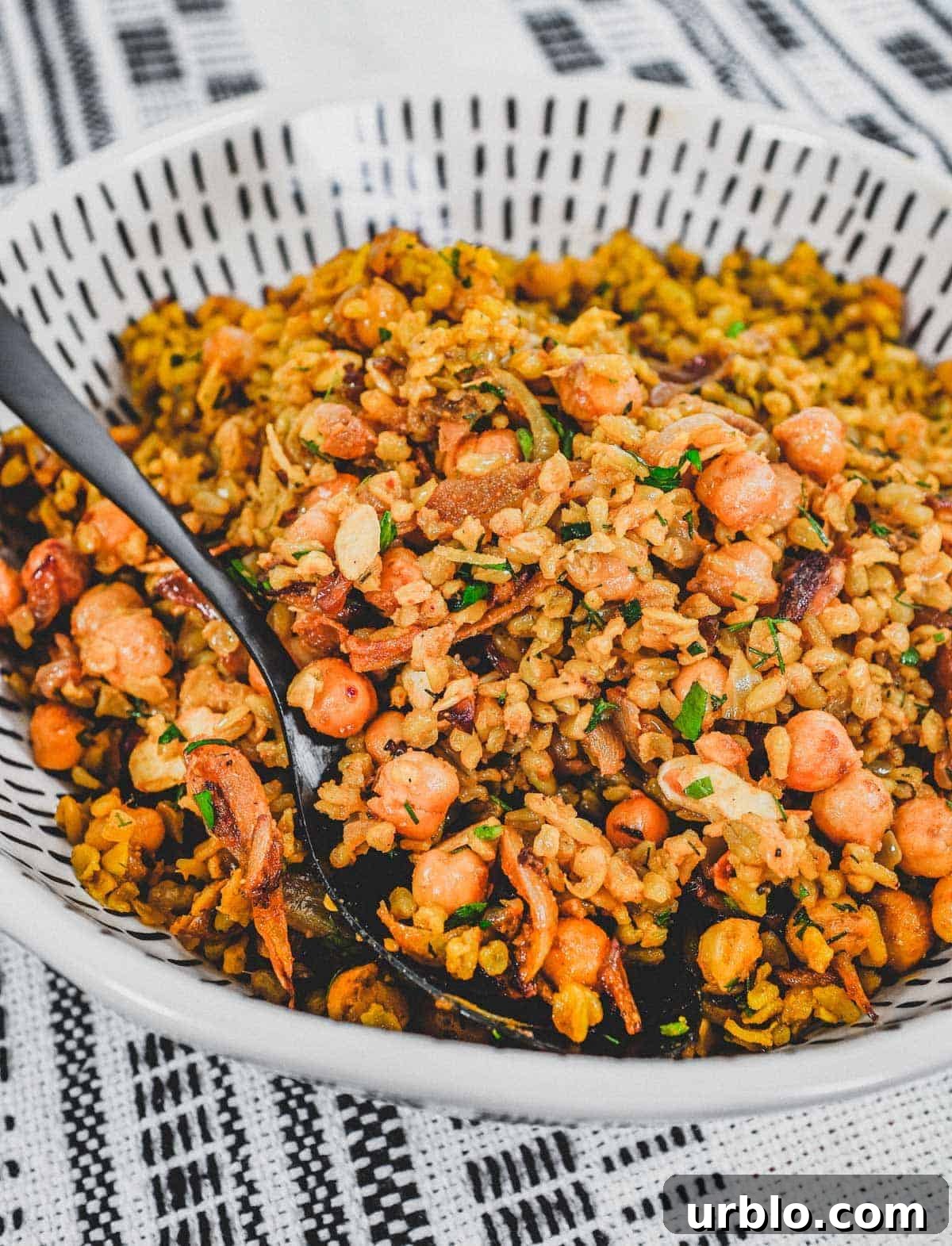
Freekeh is cracked green wheat with a nutty, slightly smoky flavour and a pleasant chew. It’s high in fibre and protein and makes a healthy base for salads, pilafs and hearty side dishes. In this recipe the nutty grain pairs with spiced chickpeas, caramelised onion, bright herbs and toasted nuts for texture.
This pilaf works beautifully alongside stews and grilled meats or as part of a vegetable-focused spread. The instructions below show a simple two-stage method that produces fluffy, flavorful freekeh and perfectly seasoned chickpeas.
What’s Ahead?
This article explains what freekeh is, why it works in a pilaf, the differences between freekeh and bulgur, what you’ll need, step-by-step cooking guidance, pro tips and serving and storage ideas. The full recipe (ingredients and method) follows at the end.
What is Freekeh?
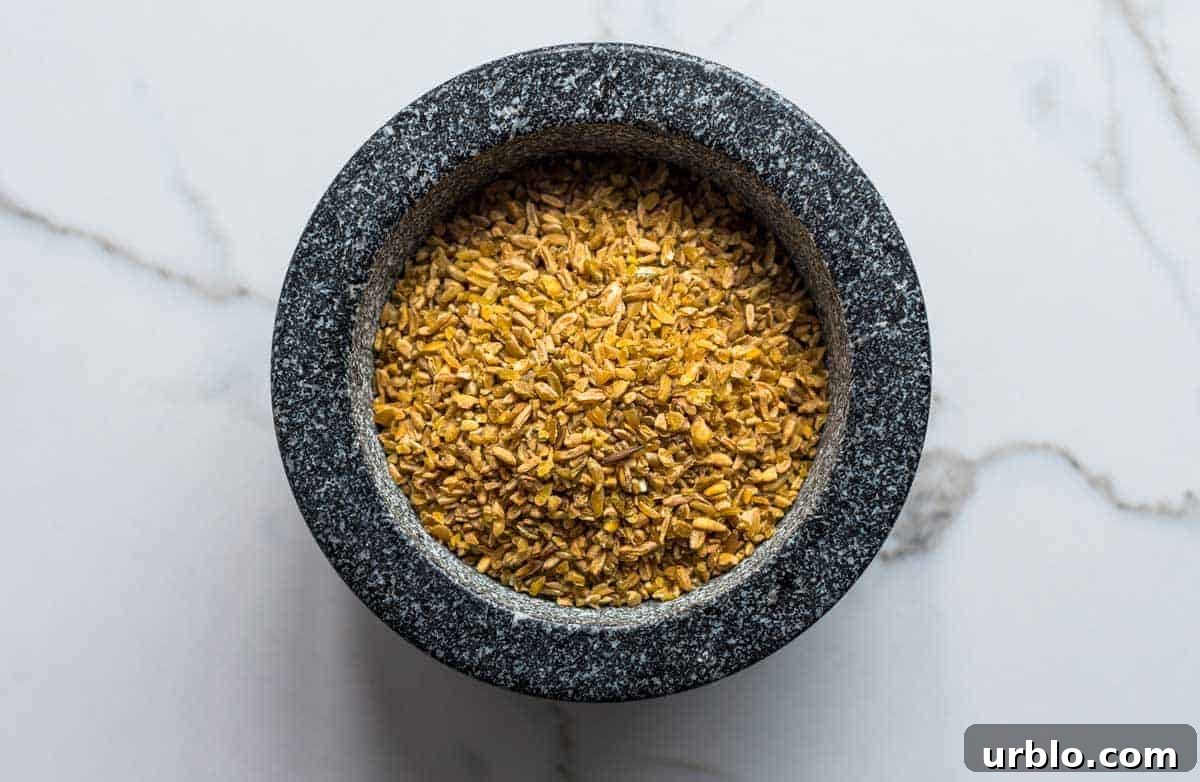
Freekeh is wheat harvested while still green, roasted and then cracked. The result is a grain with a toasty, slightly smoky flavour and a firm, chewy texture. It’s rich in fibre and protein and is used widely in Middle Eastern cuisine as a nutritious alternative to rice or couscous.
Why it works?
This freekeh pilaf is both hearty and healthy. The grain soaks up flavours and liquids while keeping a pleasing bite, and the spiced chickpeas and caramelised onion add richness and texture. It pairs well with Mediterranean, North African and Middle Eastern dishes.
Is Bulgur the same as Freekeh?
Bulgur and freekeh are both wheat products but differ in harvest time and processing. Bulgur comes from fully ripe wheat that’s par-boiled and dried, which speeds cooking and gives a softer texture once cooked. Freekeh is harvested green, roasted, and usually cracked; it retains more nutrients and has a firmer, chewier bite. Both are excellent in pilafs and salads and can often be substituted for one another with minor adjustments to cooking time and liquid.
Stuff You’ll Need
The flavours here draw on Middle Eastern ingredients: warming spices, tart barberries (or raisins), lemon brightness, fresh herbs and toasted nuts. Key ingredients include:
- Freekeh (cracked) — the nutty grain base.
- Chickpeas — canned or cooked, for creaminess and texture.
- Barberries or raisins/sultanas — for a bright, sour-sweet note.
- Spices — cumin, coriander, turmeric, paprika and Aleppo pepper give depth without too much heat.
- Onion — diced for the freekeh base and sliced for the chickpeas; lightly caramelised for sweetness.
- Herbs & lemon — parsley, dill or mint, plus lemon zest and juice to finish.
- Toasted nuts — almonds, pistachios or pine nuts for crunch.
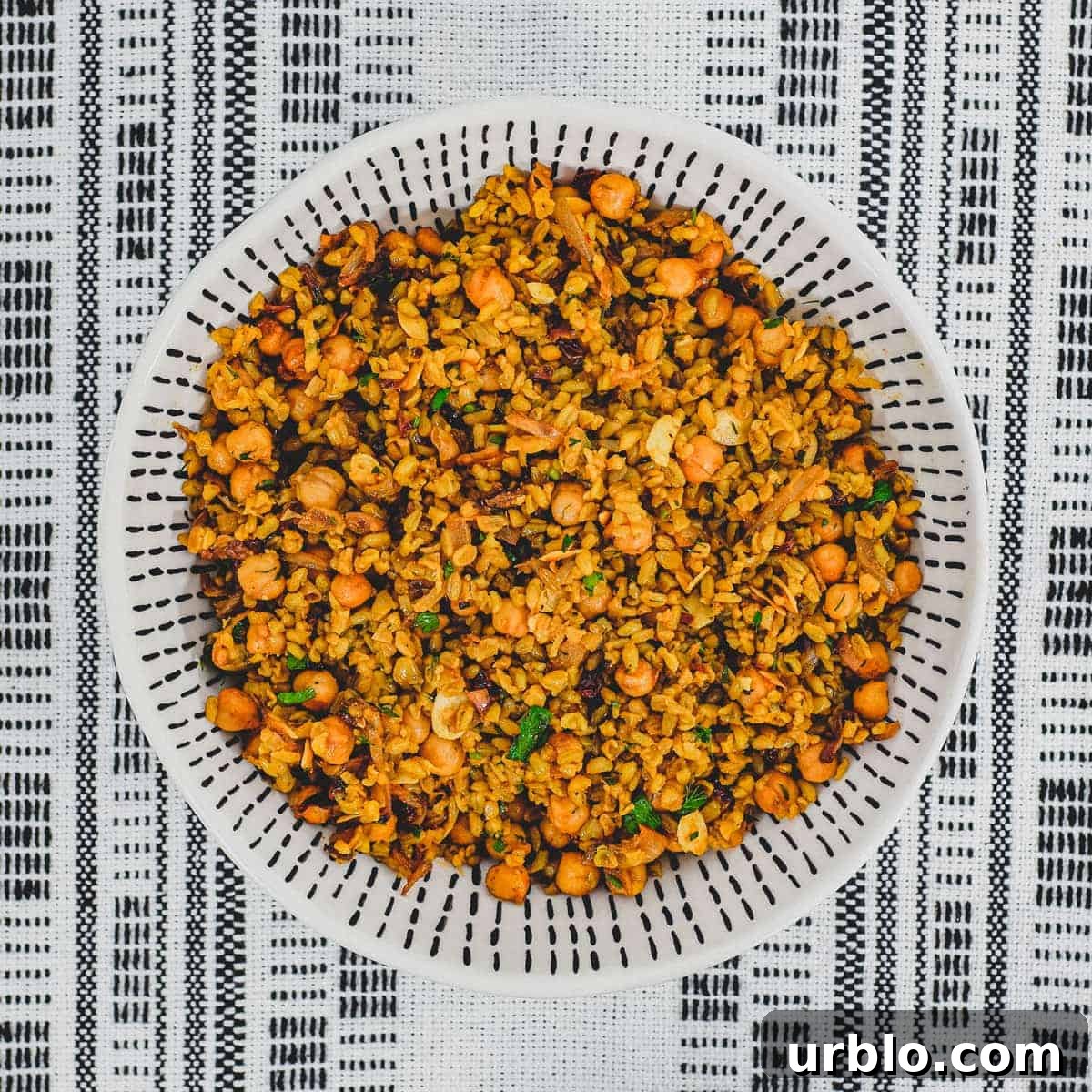
Step by Step
The recipe follows a two-stage approach to build flavour while keeping textures distinct:
- Cook the freekeh: Sauté onion and spices, add barberries, then stir in drained freekeh and stock (or water). Simmer gently until the liquid is absorbed, then rest the pan covered with a tea towel so the steam finishes the cooking and the grains stay fluffy.
- Prepare the spiced chickpeas: Fry sliced onion until lightly charred, add spices and toss in drained chickpeas to coat and warm through. Combine with the fluffed freekeh and finish with herbs, lemon and toasted nuts.
Pro Tips
Freekeh welcomes variations. Swap chickpeas for roasted cauliflower, wilted greens or add dried fruit and a mix of nuts and seeds. Toast the nuts before adding for extra crunch. Resting the cooked freekeh under a towel is the key to a light, airy pilaf.
Serving & Storage Suggestions
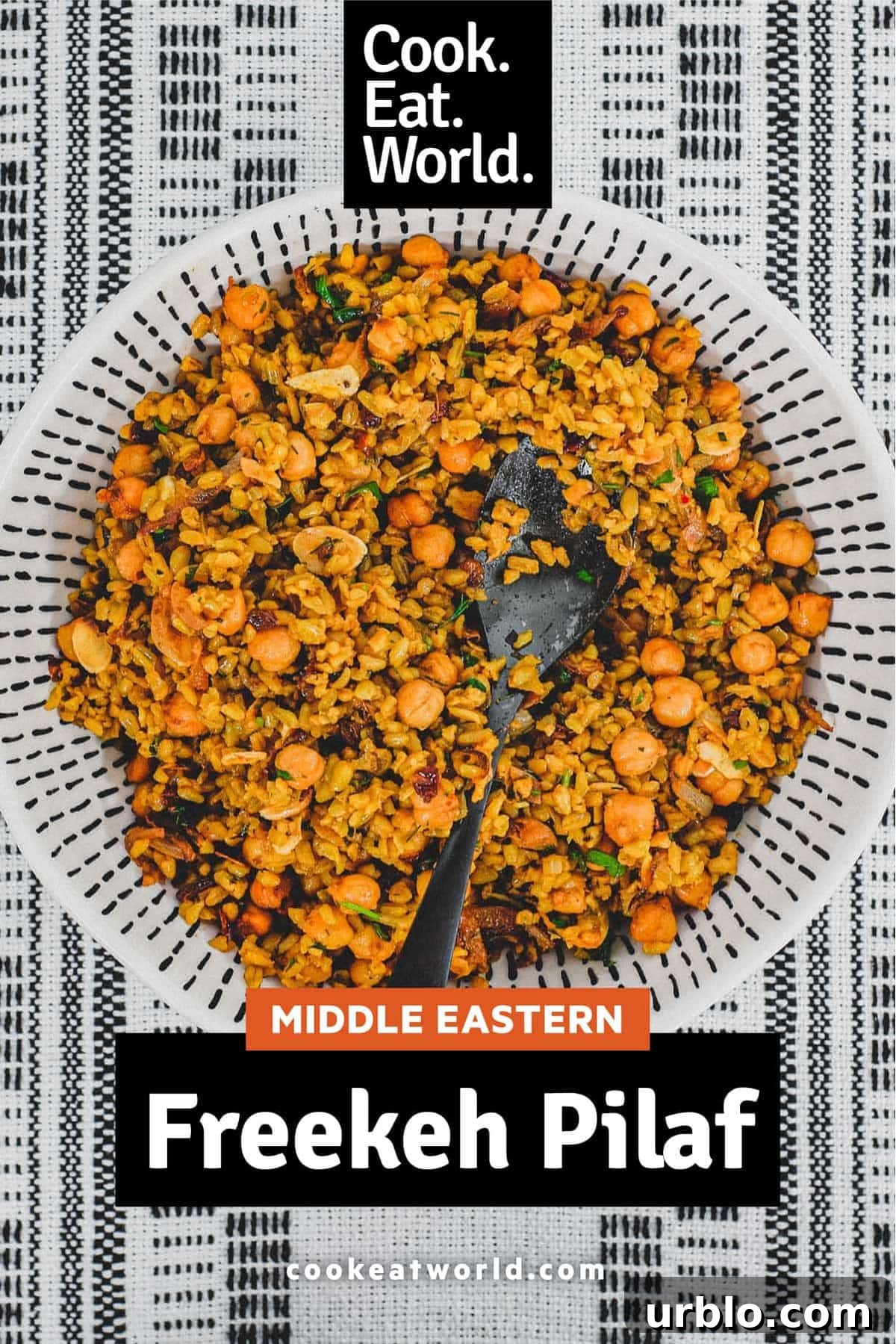
Serve this pilaf wherever you would normally serve rice. It’s excellent with stews, grilled meats, salads and as part of a mezze spread.
- Fridge: Store in an airtight container for 4–5 days. Serve at room temperature or gently reheat.
- Freezer: Keeps well for up to 3 months in airtight containers. Thaw thoroughly before serving.
Ready to get cooking?
This freekeh pilaf is a nutritious, flavour-packed alternative to rice and a satisfying dish on its own or as part of a larger meal. Enjoy!
More delicious Middle Eastern & Mediterranean recipes
If you enjoyed this recipe, explore more Med-style dishes and side recipes to complement the pilaf.
- Hummus with Roasted Tomatoes
- Roasted Carrots with Tahini Sauce
- Moroccan Kefta Tagine
- Jordanian Lamb Mansaf
- Zhoug (Spicy Cilantro Sauce)
Any Questions? (FAQ)
How do you cook freekeh?
Rinse it, use a 1:1 ratio of freekeh to water or stock, bring to a simmer, cover and cook on very low for about 20 minutes until the liquid is absorbed. Rest covered (with a tea towel under the lid) for 15–30 minutes and fluff with a fork.
Is freekeh gluten-free?
No. Freekeh is made from wheat and contains gluten, so it is not suitable for those with celiac disease or gluten intolerance.
What are the health benefits?
Freekeh is high in fibre and protein and contains minerals such as iron, calcium and zinc. It supports digestion, satiety and can be a nutritious part of a balanced diet.
This recipe may include affiliate links and could generate a small commission at no extra cost to you.
Freekeh Pilaf with Chickpeas
Ingredients (serves 6)
For the freekeh
- 1½ cups cracked freekeh
- 1 tbsp extra virgin olive oil
- ½ onion, diced
- 1 garlic clove, chopped
- 1 tsp cumin powder
- 1 tsp coriander powder
- ½ tsp turmeric
- ½ tsp salt
- Black pepper, to taste
- 1 tbsp tomato puree
- 2 tbsp barberries (or raisins/sultanas)
- 1½ cups stock (vegetable or chicken) or water
For the spiced chickpeas
- 2 tbsp extra virgin olive oil
- ½ onion, thinly sliced
- 1 can chickpeas (400g/14oz), drained
- 1 tsp cumin
- ½ tsp paprika
- 1 tsp coriander
- ½ tsp Aleppo pepper flakes (or mild chili flakes)
- ½ tsp salt
- 1 tsp lemon zest
Other ingredients
- ¼ cup parsley, chopped
- ¼ cup dill, chopped (or mint)
- ¼ cup toasted sliced almonds (or pistachios/pine nuts)
- Juice of ½ lemon
Instructions
For the freekeh
- Cover the freekeh with cold water and set aside while you prepare the onions.
- Heat 1 tbsp olive oil in a saucepan over medium heat. Add the diced onion and fry gently for 2–3 minutes until soft.
- Add the garlic and fry 1 minute. Stir in cumin, coriander, turmeric, salt and pepper for 20 seconds, then add the tomato puree and barberries.
- Drain the freekeh and add it to the onion mix. Stir, pour in the stock or water, bring to a simmer, reduce heat to low, cover and cook gently for 15–20 minutes until the liquid is absorbed. Remove from heat.
- Cover the pan with a clean tea towel and replace the lid. Leave for 15 minutes to finish steaming.
For the spiced chickpeas
- Heat 2 tbsp olive oil in a sauté pan over medium-high heat. Add the sliced onion and fry for 4–5 minutes until slightly browned on the edges.
- Add cumin, paprika, coriander, Aleppo pepper and salt. Stir briefly, then add the drained chickpeas and cook 1–2 minutes until well coated and warmed through. Remove from heat and cool to room temperature.
- Fluff the rested freekeh with a fork and remove any lemon peel if used. Gently fold in the chickpeas, parsley, dill, toasted almonds and lemon juice.
- Transfer to a serving bowl and serve at room temperature or slightly warm.
Nutrition (per serving)
Calories: 288 | Carbohydrates: 37g | Protein: 11g | Fat: 13g | Fiber: 7g
Tried this recipe? Tag @CookEatWorld or use #cookeatworld when you make it!