
Inside: The most useful skills to develop as a homesteader, no matter where you live today. Reading helps, but practicing is far more valuable. Roll up your sleeves and start working on these now.
It’s easy to wish your life away while waiting for the perfect property, job, or situation. When you’re in the city or suburbs and dreaming of homesteading, it can feel like everything is on hold.
But it isn’t. There’s a lot you can do and learn right now, wherever you are. These skills will serve you well in the future — and more importantly, they’ll help you today.
These suggestions are loosely ordered, but you’ll keep learning them all at once rather than finishing one and moving on forever.
1. Learn To Cook (But Really)
Cooking is the foundation. Everything else builds on this. Even if you never progress beyond this skill, you’ll be more self-sufficient than many people. If you don’t master cooking, all the homegrown produce and livestock in the world won’t help as much.
Start simple: make meals from whole ingredients — soups, stews, roasts, sauces. You don’t need to bake artisan bread right away; you need to make your own dinner.
Learn to use leftovers creatively. Can you transform them into a new dish? Can you open the fridge and improvise a meal from what’s inside?
Next, cook with seasonal ingredients and what grows well in your climate. Experiment with adapting favorite recipes to local sweeteners or produce. The goal is to work with what you have, not to follow a long checklist that requires lots of time or money.
This is where you must start. You’ll keep improving, but cooking is the essential base for everything homesteading offers.
2. Learn to Preserve Food
Once you can cook, learn to make food last. Preserving prevents waste and stretches your efforts further.
Begin with freezing: blanch vegetables, freeze berries correctly, and protect leftovers from freezer burn. Then learn water-bath canning for jams, pickles, and tomato-based sauces — high-acid foods that are good starter projects. When ready, pressure canning opens up soups, beans, meats, and complete meals that store shelf-stable.
Dehydrating is another straightforward method: dried fruit, jerky, and herbs are easy to store and use later.
You don’t need a huge garden to practice preserving. Start with surplus from the market, a neighbor’s extra tomatoes, or leftover dinners. Preserving encourages forward thinking, reduces waste, and works with seasonal abundance.
3. Learn to Grow Something
After cooking and preserving, try growing food yourself. Begin small: a pot of herbs, a tomato in a bucket, or a container of lettuce. Expect failures — bolt, rot, or dried-out seedlings are part of learning.
The point is to observe: watch seeds sprout, notice how quickly plants suffer without water, and enjoy snipping basil for your meal. Each season you try, you gain experience and confidence.
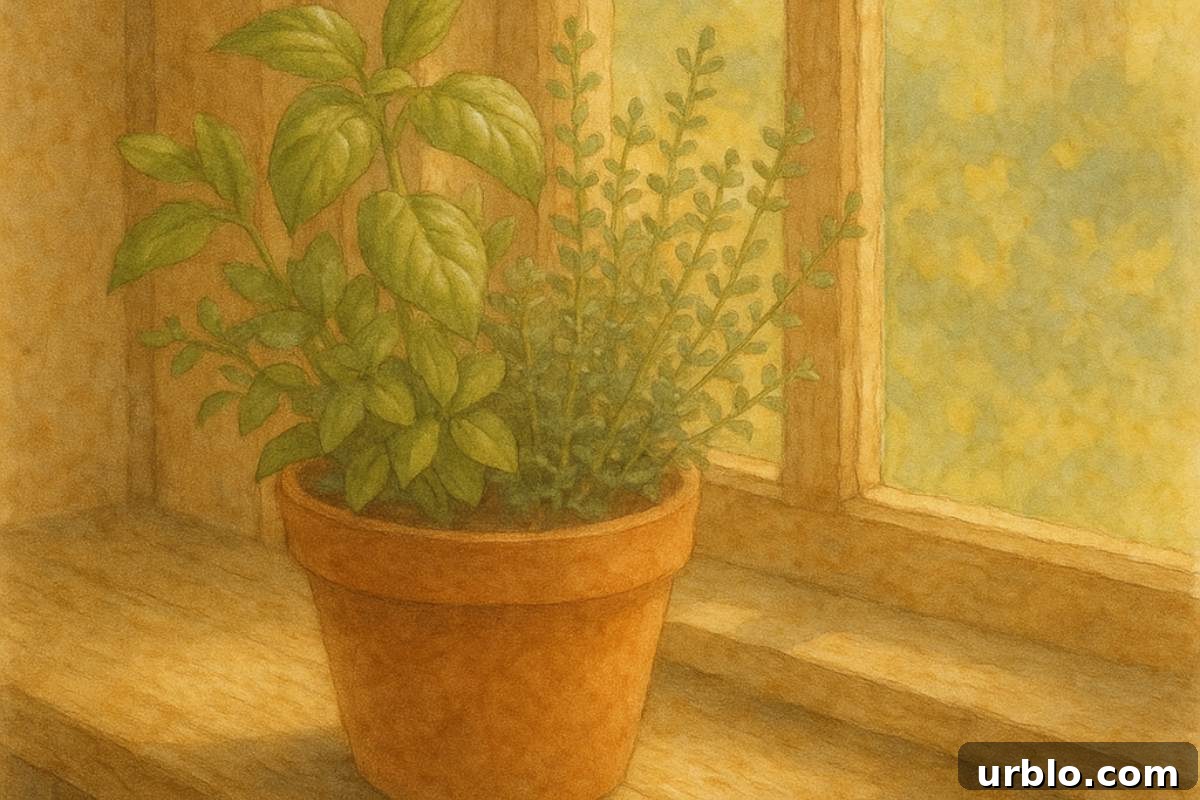
You’ll kill a few plants. You’ll over- and under-water. That’s normal. Gardening teaches resilience and attention, and even small successes—fresh mint for tea, basil for pizza—are rewarding.
Regular practice makes you less helpless and more ready for the homestead life you hope for.
4. Learn to Make and Mend Things
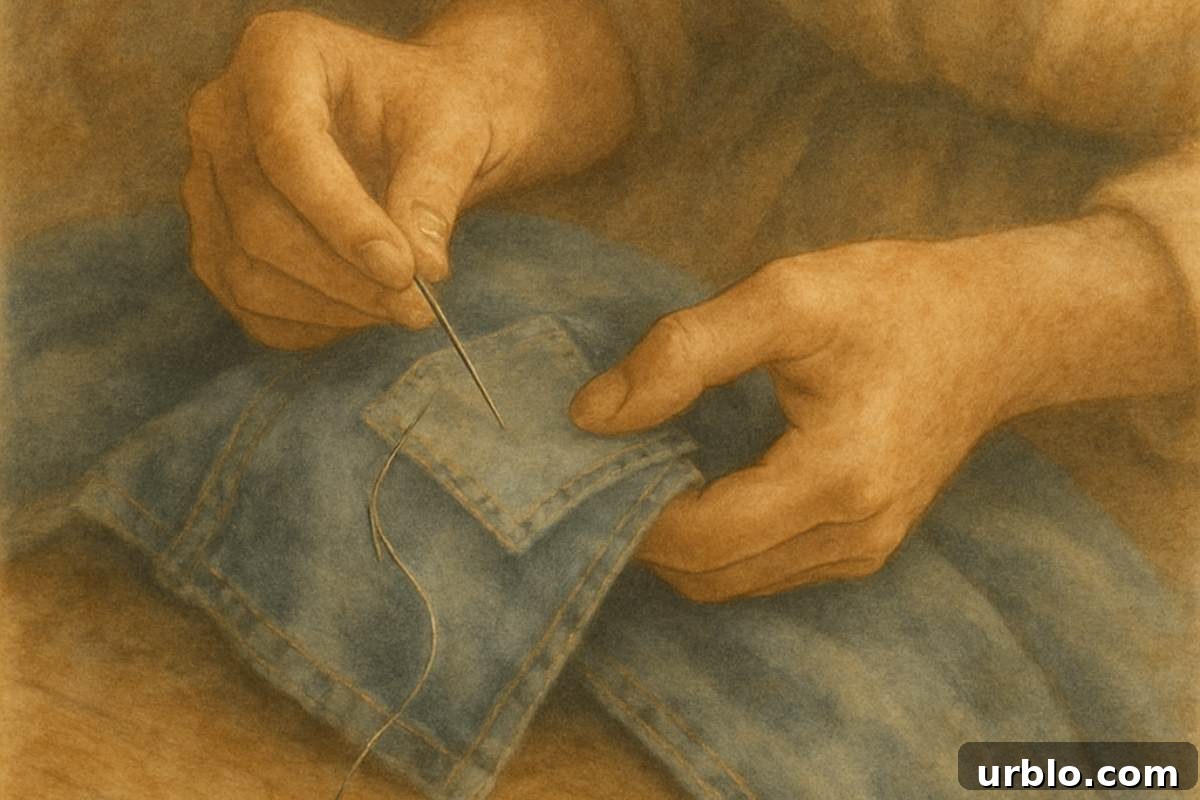
Making soap, cleaning supplies, or mending clothes are practical and confidence-building. Start with manageable projects: a melt-and-pour soap kit, a homemade vinegar cleaner, or a simple sewing repair. You don’t need perfection—just the willingness to try.

Remember that many products we buy were originally invented and made by someone. Learning to make and fix things fosters a scrappy, capable mindset you’ll rely on later. You’ll also save money and produce less waste.
5. Get Comfortable with Animals (Even If You Don’t Have Any Yet)
Animals can be difficult to keep in dense neighborhoods, but you can still prepare. If possible, keep a few hens or try beekeeping where allowed. If not, practice in other ways:
- Cook with whole cuts of meat. Learn to break down a chicken, roast bones for broth, and render fat. This develops skills beyond using boneless, skinless cuts.
- Volunteer. Help at a local farm, community garden, or animal rescue to learn behavior, space needs, diet, and maintenance.
- Study breeds and systems. Read about animals and watch how experienced people manage fencing, shelters, and routine care. Pay attention to practical details not shown in glossy photos.
Animals are messy, demanding, and rewarding. Learning about them now prevents surprises later and helps you decide what you want and can manage.
6. Master Time Management (Before It Masters You)
Homesteading can be relentless. Use this season to build routines and good habits. Work from lists, prioritize essential tasks, and do the unglamorous chores first: dishes before sewing, fence repairs before jam-making. Learn to distinguish real priorities from “someday” projects so you don’t accumulate unfinished work and tools left out in the elements.

Notice how different kinds of busy feel: the healthy fatigue after productive effort versus the drained feeling after a scattered day. That awareness will help you when tasks pile up or the weather makes everything harder.
Homesteading doesn’t become easier; you get tougher, smarter, and more efficient. Practice managing days now when the stakes are lower.
7. Build a Network (Even if You’re Not a “Joiner”)
Despite romantic ideas of lone independence, homesteading relies on people. You’ll need neighbors with a tractor, friends with extra equipment, and experienced folks who can advise in an emergency. Begin building relationships before you need them.
Buy locally when you can, attend seed swaps, volunteer at community events, and introduce yourself at farmers’ markets. Show up, listen, ask questions, and offer help. A reliable neighbor is often more valuable than any single stash of supplies.
You Will Get There
If you’re reading this because you feel stuck waiting for something you don’t have yet, remember that this waiting season is preparation. You’re not trapped — you’re getting ready. Develop these skills now, and when the time comes to move toward your homestead dream, you’ll be practical, capable, and confident.