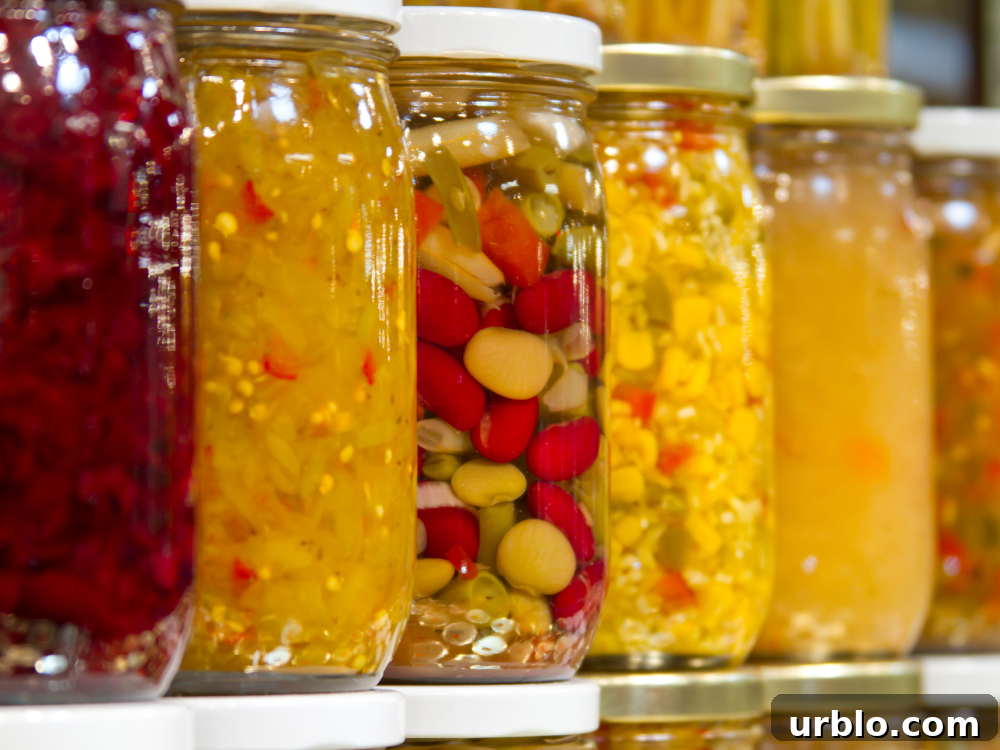
Vinegar is a versatile acidic ingredient that brightens flavors across a wide range of dishes. Low in calories and sodium, it’s an excellent addition to school meal programs—students enjoy the bold taste while kitchen staff appreciate its many uses. Learning to work with acid can transform menus and improve the balance and appeal of meals served in schools.
Types of Vinegar
Vinegars are created by fermenting liquids derived from plant foods—fruits, grains, rice or potatoes—into alcohol and then converting that alcohol into acetic acid. The base ingredient defines each vinegar’s character, producing flavors that range from sharp and clean to sweet and complex. Choosing the right type of vinegar helps you match flavor to purpose in the kitchen.
| Type | How it’s Made | Flavor | Common Uses |
|---|---|---|---|
| White vinegar | Fermented from distilled grain alcohol | Sharp and strong | Pickling and cleaning |
| Apple cider vinegar | Fermented from crushed apples | Mildly fruity | Salad dressings and marinades |
| Balsamic vinegar | Fermented from pressed grapes | Sweet and complex | Drizzling over salads, fruit, or roasted vegetables |
| Red wine vinegar | Fermented from red wine | Tangy and robust | Vinaigrettes and deglazing pans |
| Rice vinegar | Fermented from rice | Delicate and slightly sweet | Asian cuisine and sushi rice |
| Malt vinegar | Fermented from malted barley beer | Robust and malty | Traditional with fried fish and chips |
Uses in Cooking
Because of its acidity and distinct flavor, vinegar has many culinary roles. Common applications include:
1.) Marinades: Vinegar’s acid helps tenderize proteins and vegetables while adding flavor. For balanced marinades, combine vinegar with oil, herbs and spices.
For example, balsamic combined with olive oil, lemon and rosemary makes a flavorful marinade for roasted or baked chicken.

2.) Salad Dressings: Vinegar is essential in vinaigrettes. A classic starting ratio is three parts oil to one part vinegar, then customize with seasonings or fruit for added depth.
Rice wine vinegar works well in lighter dressings, while red wine or apple cider vinegar add more punch to robust salads.
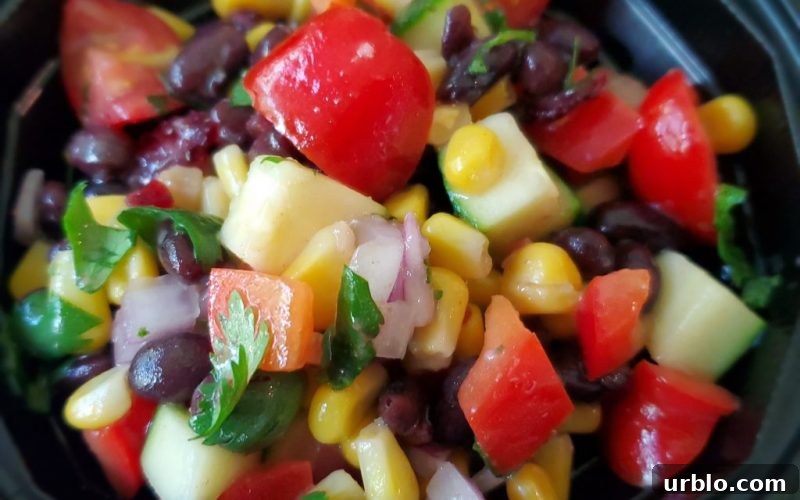
3.) Pickling: Vinegar preserves vegetables by creating an acidic environment that inhibits bacterial growth. Quick pickles brighten sandwiches, salads and sides while allowing control over sodium and sweetness.
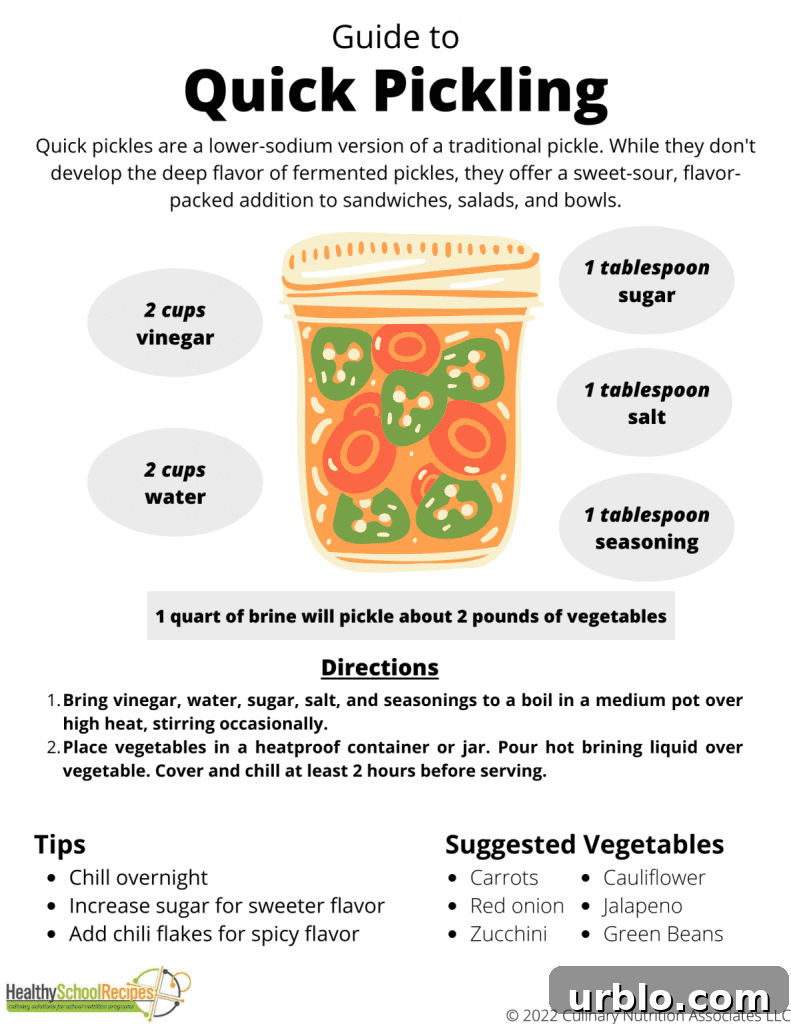
Basic quick pickles require a brine of vinegar, water, salt and a touch of sugar, plus optional spices for flavor.
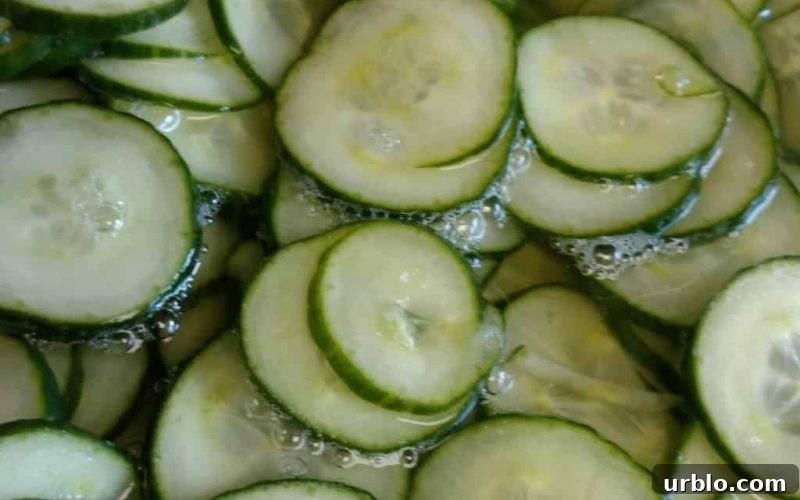
4.) Baking: Vinegar reacts with baking soda to produce carbon dioxide, helping batters rise. A small amount can improve texture in cakes and quick breads, especially in egg- or dairy-free recipes.
Adding vinegar to vegan or allergy-friendly cakes can yield a lighter, more tender crumb.

Cooking Tips
To get the most from vinegar in recipes, keep these practical tips in mind.
- Balance with Other Flavors: Counter vinegar’s acidity with sweet, salty or fatty elements so it enhances rather than overwhelms a dish.
- Use Sparingly: Start small and adjust to taste—it’s easier to add acidity than to remove it.
- Avoid Overheating: Prolonged cooking softens vinegar’s brightness. Add it toward the end of cooking when you want a fresh, lively edge.
- Store Properly: Keep bottles in a cool, dark place and label opened containers with dates. Many vinegars store well, but quality and flavor are best preserved with proper storage.
Quick Pickles
Quick pickling is a fast, safe way to offer tangy, crunchy vegetables in school meals. It provides control over flavor and sodium, and makes fresh, attractive accompaniments for sandwiches, bowls and salads.
Standard Method of Preparation
- Prepare vegetables.
- Wash and slice into uniform shapes (slices, spears, or chunks) for even pickling.
- Make the brine:
- Combine vinegar, water, salt and sugar in a saucepan with any desired garlic or spices. Bring to a boil, stirring until salt and sugar dissolve, then remove from heat and cool slightly.
- Add brine:
- Pour the hot brine over the vegetables so they are fully submerged. Let jars cool to room temperature.
- Refrigerate:
- Chill for at least three hours or overnight. While edible after one hour, pickles develop better flavor after 24 hours. Keep refrigerated and use within seven days.
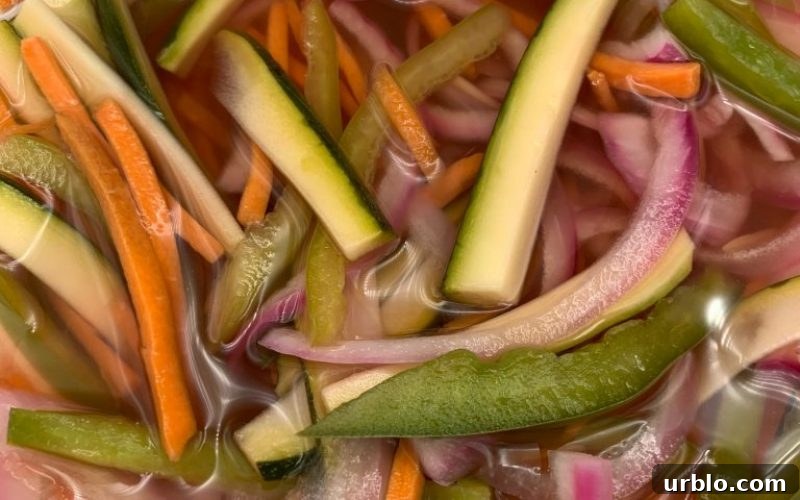
Quick Pickling Tips
- Slice vegetables uniformly to ensure even pickling and crisp texture.
- Adjust the brine ratio to taste (vinegar, water, salt, sugar) and involve students with taste tests to discover preferences.
- Try different vinegars, vegetables and spice blends to create unique flavors that complement the menu.
- Follow food-safety rules for leftovers: quick pickles should be used within seven days unless your local policy specifies otherwise.
Vegetables to Pickle
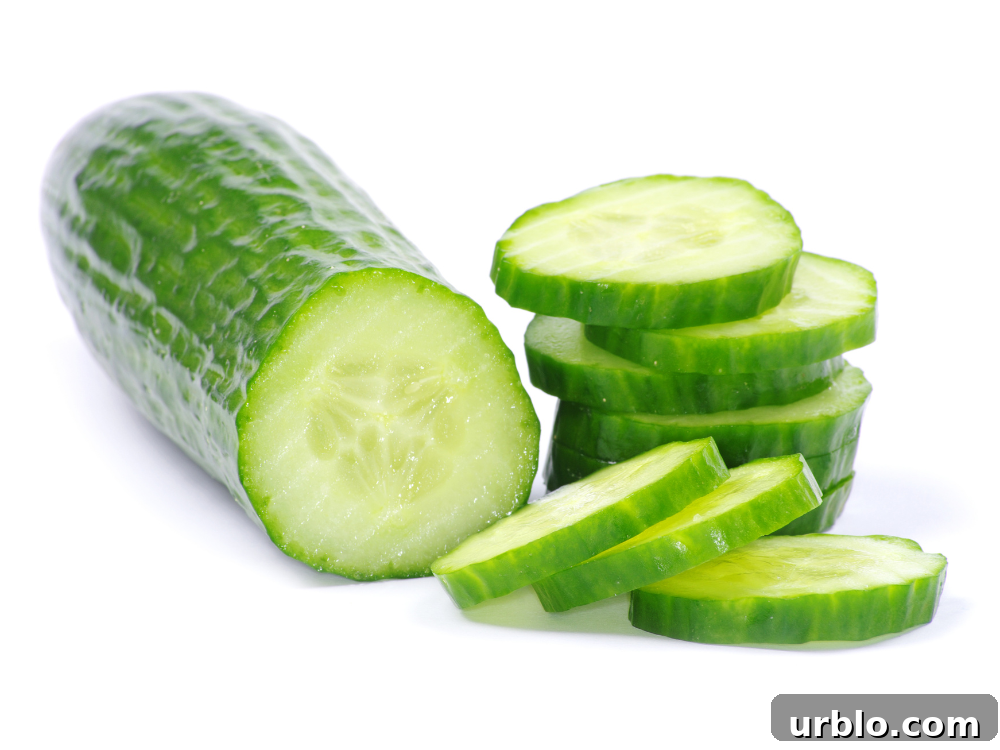
CUCUMBERS: Kirby or Persian cucumbers work well for classic pickles.
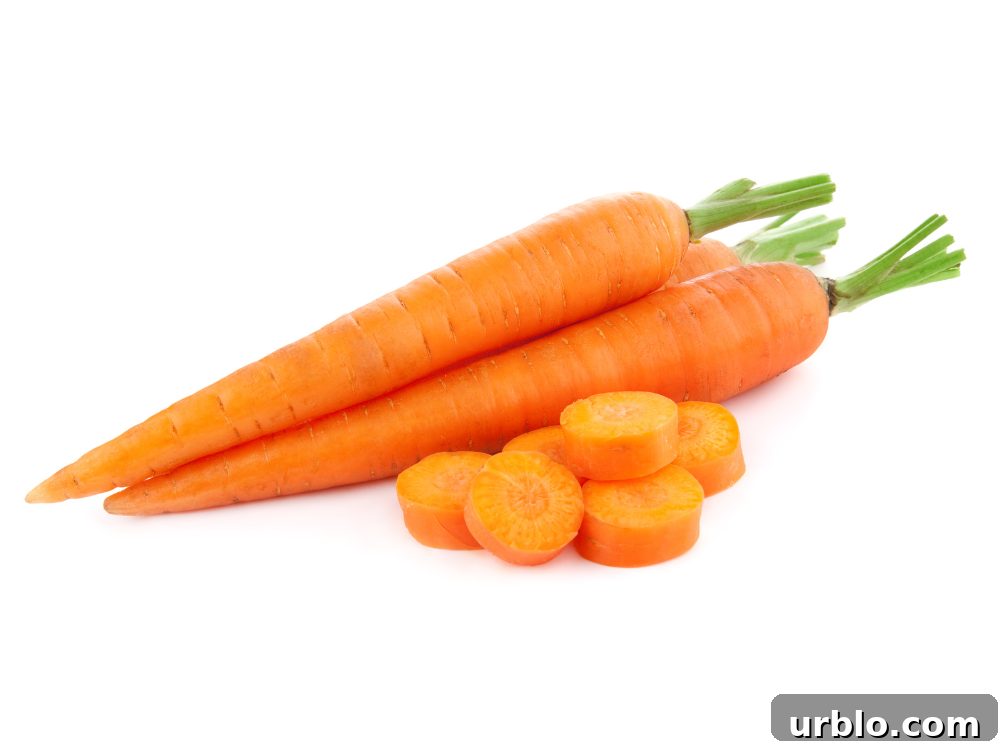
CARROTS: Slice into sticks or rounds for a crunchy, colorful option.
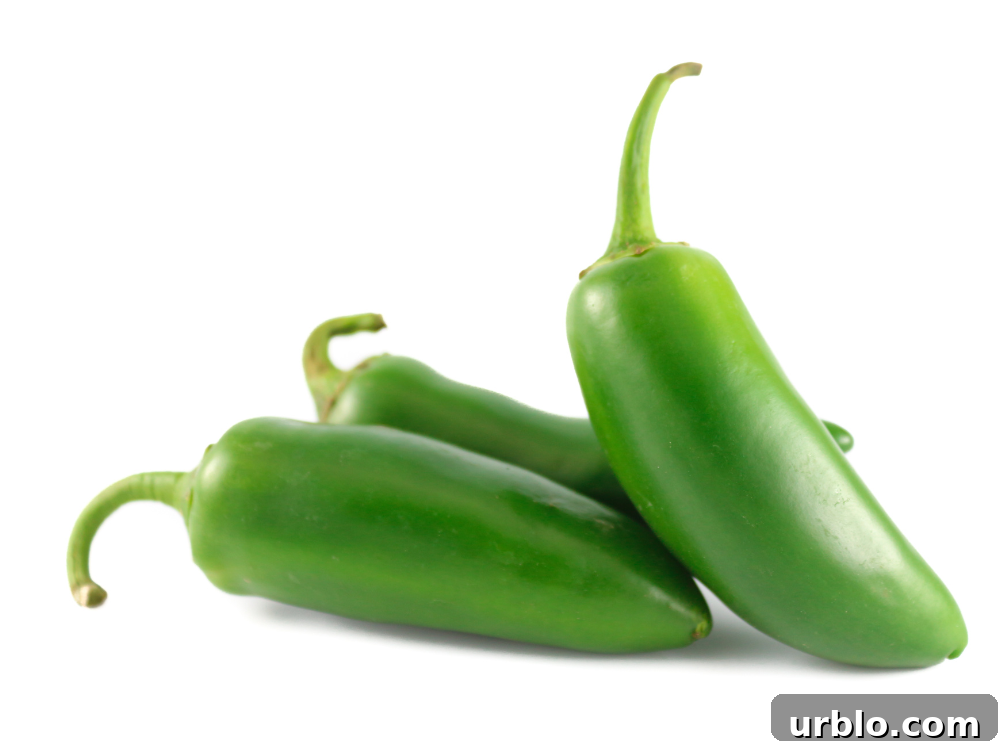
JALAPENOS: Slice into rounds, seeds intact for heat.
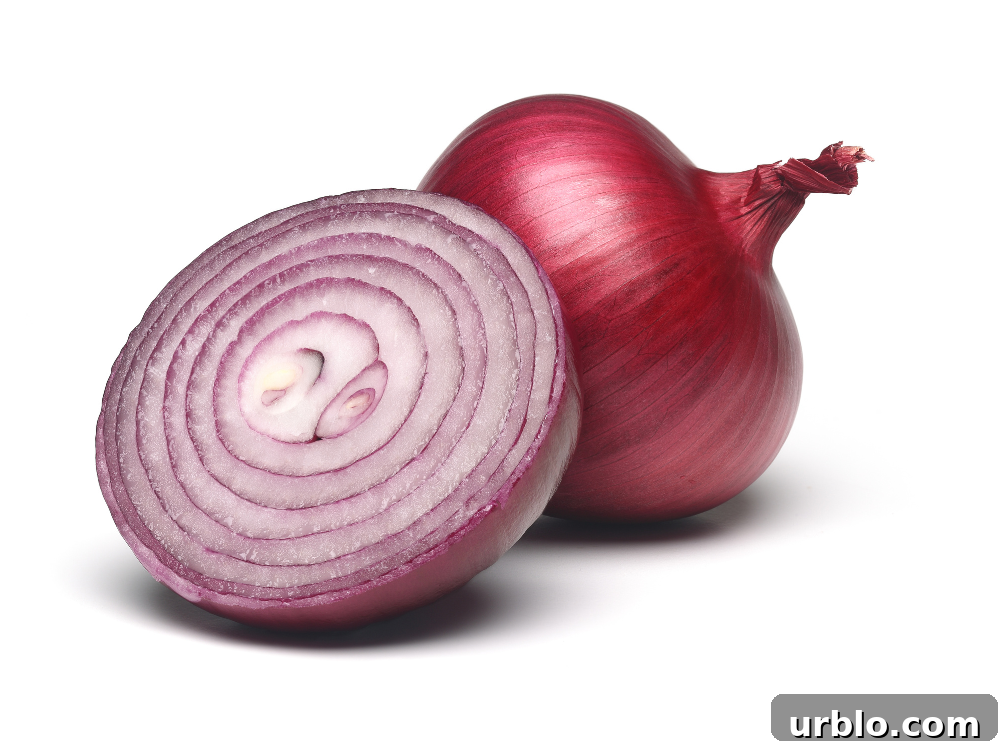
RED ONIONS: Thin slices make a bright, tangy topping for tacos and sandwiches.
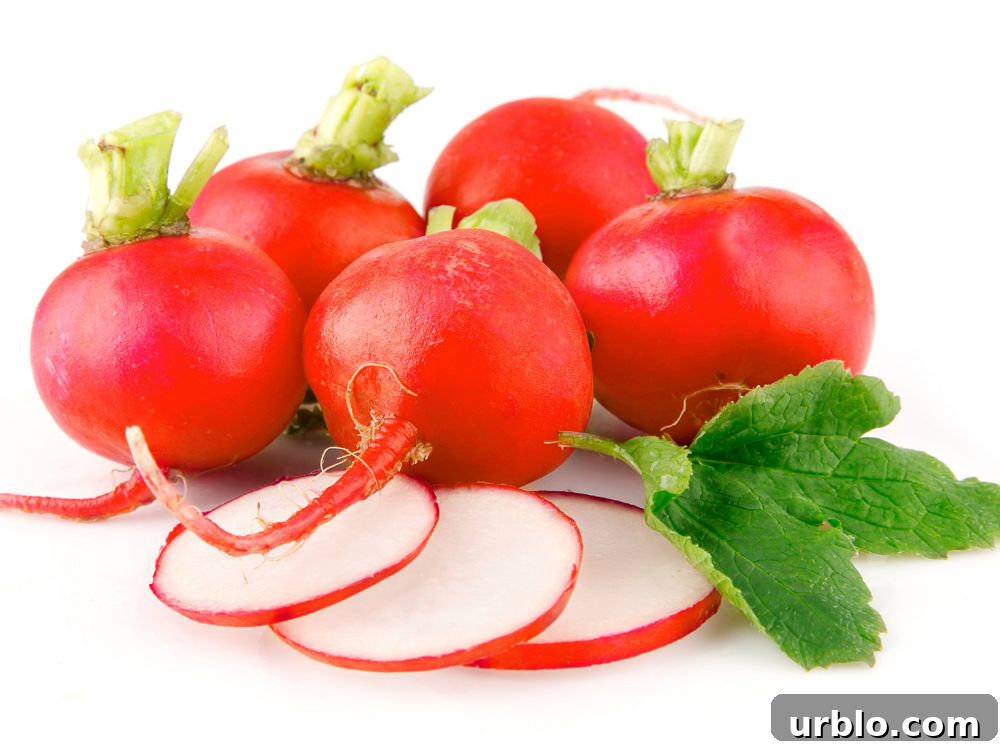
RADISHES: Thin slices add a crisp, peppery bite to salads.
Flavor Additions
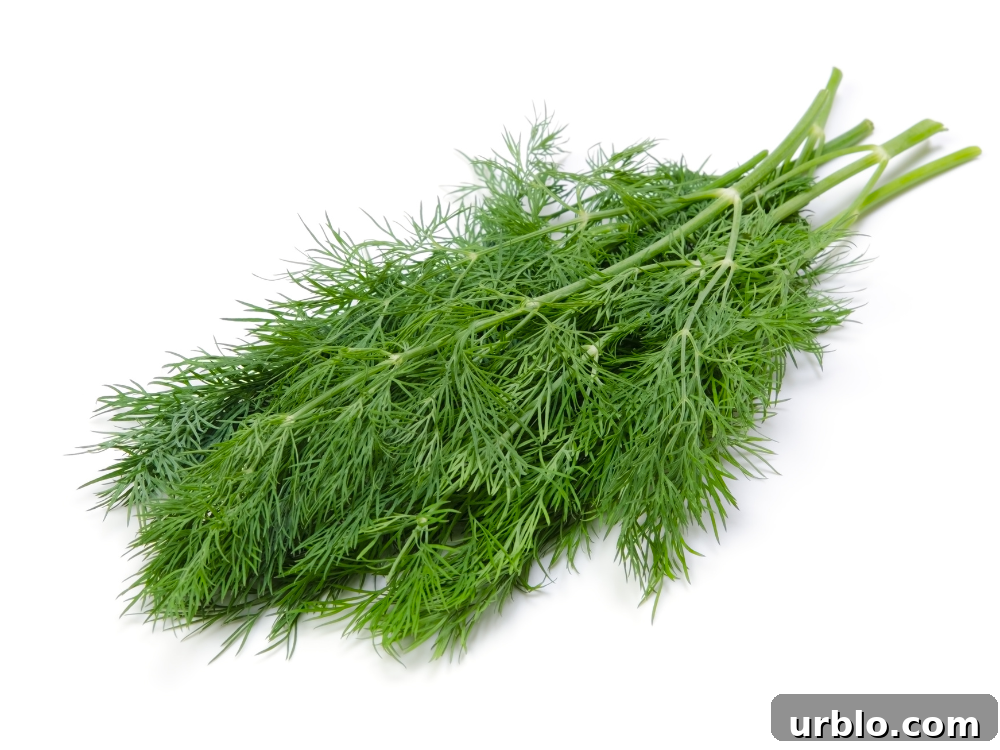
HERBS: Fresh dill, thyme or rosemary add aromatics.
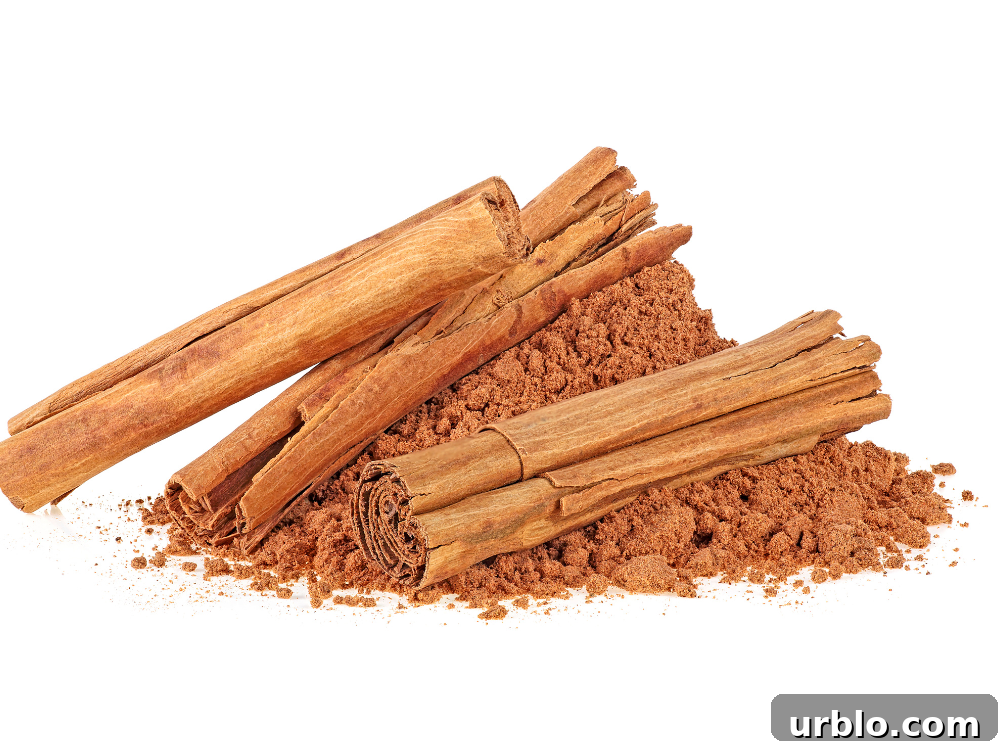
SPICES: Whole cloves, bay leaves, star anise or cinnamon sticks create distinctive profiles.
SWEETNESS: Increase sugar or use honey or maple syrup for sweeter pickles.
Enhancing Dishes with Quick Pickles
Quick pickles add tang, crunch and contrast to many preparations. They balance rich flavors, cut through fat and boost texture. Consider these applications:
- Sandwiches and Burgers
- Toppings: Quick pickled cucumbers, red onions or jalapeños provide zesty crunch on sandwiches and burgers.
- Slaw: Fold pickled vegetables into coleslaw for an extra tangy side that pairs well with pulled meats.
- Banh Mi: Quick pickled carrots and daikon lend authentic flavor to Vietnamese-style sandwiches.

- Tacos and quesadillas
- Pickled jalapeños and onions make lively toppings for tacos, burritos and quesadillas.
- Pizzas
- Pickled peppers or onions can be added to scratch-made pizzas for bright contrast.
- Rice or grain bowls
- Top bowls with pickled cabbage or radish for extra texture and flavor.
- Salads
- Add pickled carrots, red onion or radishes to green salads.
- Chopped pickled cucumbers work well in pasta or potato salads.
Quick Pickling Tips for Different Dishes
- Balance: Pair pickles with rich, fatty or spicy components so their acidity complements the dish.
- Texture: Keep vegetables crisp by slicing uniformly and letting them sit overnight when possible. Use within 3–7 days for best quality.
- Versatility: Match vinegars and seasonings to the cuisine—for example, rice vinegar and ginger for Asian dishes, or apple cider vinegar and dill for American classics.
- Get feedback: Let students sample variations (sweeter or tarter) to determine preferred flavors and improve acceptance.