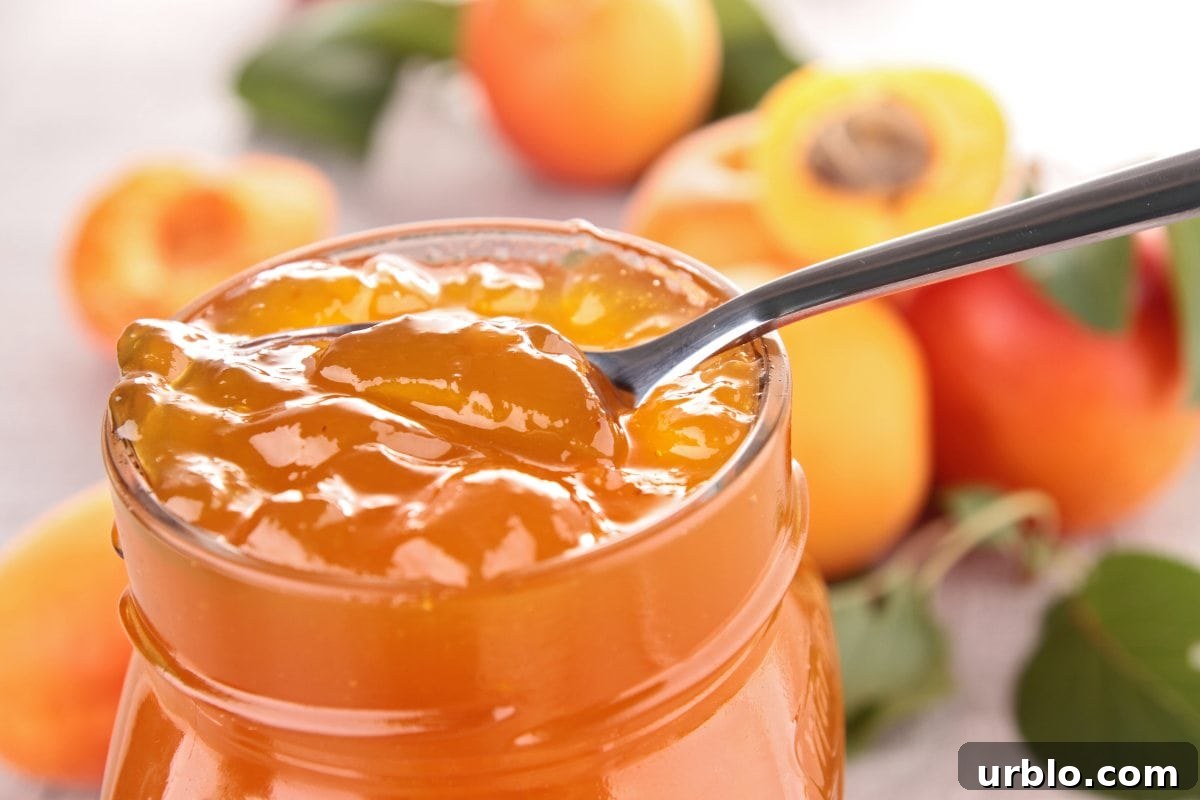
Apricot jam brings a bright, sweet-fruity note to many recipes, from breakfast toast to glazes for roasted meats. If you don’t have apricot jam on hand or want to try a different flavor profile, there are numerous tasty substitutes that deliver similar sweetness, texture, and color. Many of these options are likely already in your pantry or easy to prepare at home.
Below you’ll find a practical guide to the best alternatives for apricot jam, how they compare in taste and texture, and the most suitable uses for each substitute.
Best Substitutes For Apricot Jam
Apricot jam has a distinctive balance of sweetness and mild tartness with a smooth, spreadable texture. When choosing a substitute, consider whether you want a close flavor match, a similar texture, or simply the same sweetness and stickiness. Here are reliable options and how to use them.
Peach Jam or Peach Preserves
Peach jam or preserves are one of the closest matches in flavor and texture. Both are stone fruits, and while peaches can be slightly sweeter and less tart than apricots, they make an excellent direct swap in baking, glazes, and spreads.
Dried Apricots
If you have dried apricots, you can rehydrate them and blend them into a jam-like spread. Chop the dried fruit, soak in hot water until softened, then process until smooth. This homemade version lets you control sweetness and texture and is ideal when you want genuine apricot flavor but lack preserved jam.
Orange Marmalade
Orange marmalade brings a citrusy, tangy character that pairs well with sweet and savory dishes. It shares a similar color and sweetness, though the citrus peel and bitterness will change the flavor profile. Use marmalade for glazes, tarts, or whenever a zesty lift complements the dish.
Duck Sauce
Duck sauce—often made from apricots, plums, or peaches—works well as a savory-sweet substitute. Its combination of fruit, sugar, vinegar, and spices makes it particularly suited to glazes, marinades, and dipping sauces for roasted or grilled meats.
Apple Butter
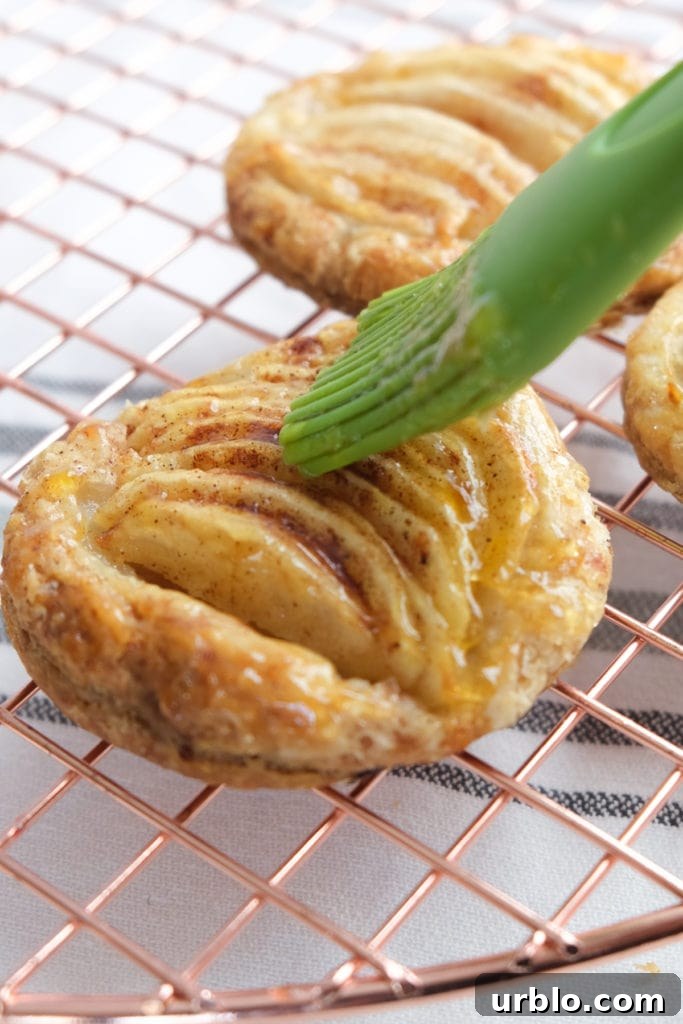
Apple butter delivers a smooth, spreadable texture with warm, spiced apple flavor. It’s thicker and less fruity than apricot jam but works beautifully in pastries, on toast, or as part of a glaze. Expect a cinnamon-clove profile rather than apricot fruitiness.
Plum Butter
Plum butter offers a dense, silky texture similar to apple butter but with a deeper, slightly tart fruit flavor. It’s an excellent choice for using in baked goods or as a fruity layer in tarts and desserts. Homemade versions can be cooked slowly in a crockpot for a rich, concentrated taste.
Other Fruit Jams
Other stone-fruit jams—such as nectarine, plum, or cherry—make natural substitutes because they share sweet-tart qualities and similar textures. If the exact apricot flavor is not essential, berry jams like strawberry, raspberry, or blueberry will still provide the sticky, sweet element needed for many recipes.
Ginger Jelly
Ginger jelly adds a spicy, zesty twist and pairs especially well with strong cheeses, roasted meats, or Asian-inspired glazes. While its flavor differs from apricot, the balance of sweet and heat can enhance many dishes.
Maple Syrup
Maple syrup supplies rich, natural sweetness and depth, making it a useful alternative in dressings, marinades, or baking. Because it is more liquid than jam, you may need to adjust quantities or thicken it slightly when a spreadable consistency is required.
Brown Sugar
Brown sugar is a simple sweetening substitute when texture is less critical. It adds caramel-like notes and moisture to recipes but won’t reproduce the sticky, spreadable quality of jam.
Fruit Juice
Fruit juices—such as apple or pear—can supply sweetness and fruity nuance. They are thinner than jam, so they’re best used in sauces, dressings, or when combined with a thickener to mimic jam consistency.
Warm Honey
Honey is an excellent natural substitute for apricot jam when you want stickiness and sweetness. Different varietals of honey contribute varying floral or earthy notes, so choose one that complements your dish.
Golden Syrup
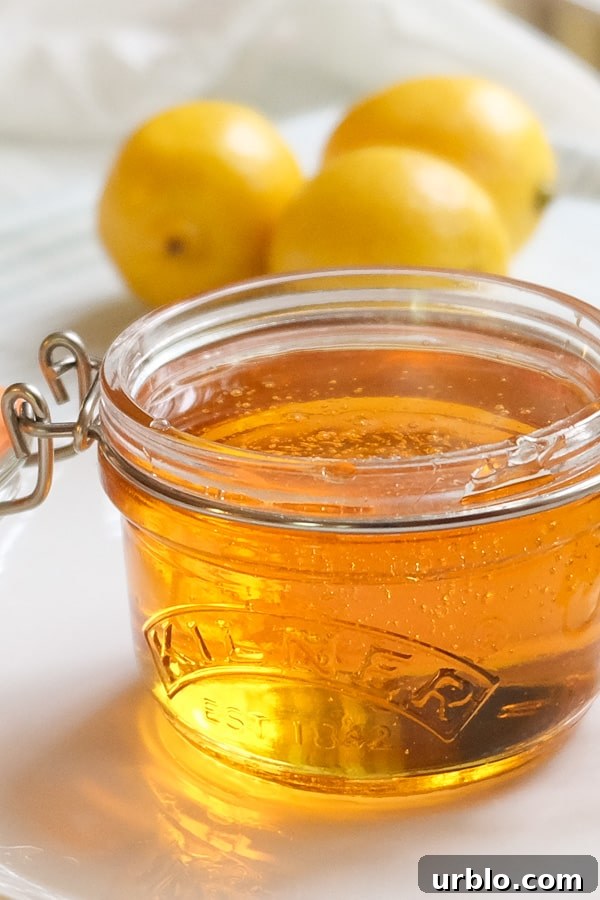
Golden syrup is a thick, lightly caramelized syrup that offers buttery sweetness and a smooth texture. It’s versatile in desserts, glazes, and baking, and serves as a useful vegan-friendly alternative to honey.
Agave Nectar
Agave nectar is a mild, viscous sweetener that resembles honey in texture. It’s a convenient option for those seeking a plant-based syrup that still adds stickiness and sweetness to recipes.
Sugar Syrup
A simple sugar syrup (sugar dissolved in hot water) can replace apricot jam when a liquid sweetener is acceptable. It’s useful for glazing or when you want sweetness without additional fruit flavor.
Apricot Jam FAQ
What Is Apricot Jam?
Apricot jam is a fruit spread made from ripe apricots cooked with sugar and often finished with a dash of lemon juice. It combines mild sweetness and gentle tartness and is prized for its smooth, spreadable texture. The balance of fruit flavor, sugar, and texture is what makes apricot jam versatile in both sweet and savory applications.
Because its flavor is delicate, the texture and level of sweetness are key considerations when selecting a substitute. Apricot jam can be used as a spread, filling, glaze, or component in sauces and marinades.
What Are The Uses of Apricot Jam?
Apricot jam is widely used on toast, scones, and biscuits, as a filling for cakes and pastries, and as a glaze for fruit tarts. It also works well as a glaze for roasted meats and as an ingredient in dressings and marinades where a bright, fruity sweetness is desired.
What Is Apricot Jam Made Of?
Traditional apricot jam is made by cooking ripe apricots with sugar and a bit of lemon juice until the fruit breaks down and the mixture reaches a thick, spreadable consistency. The result is a versatile preserve that enhances a wide variety of dishes.