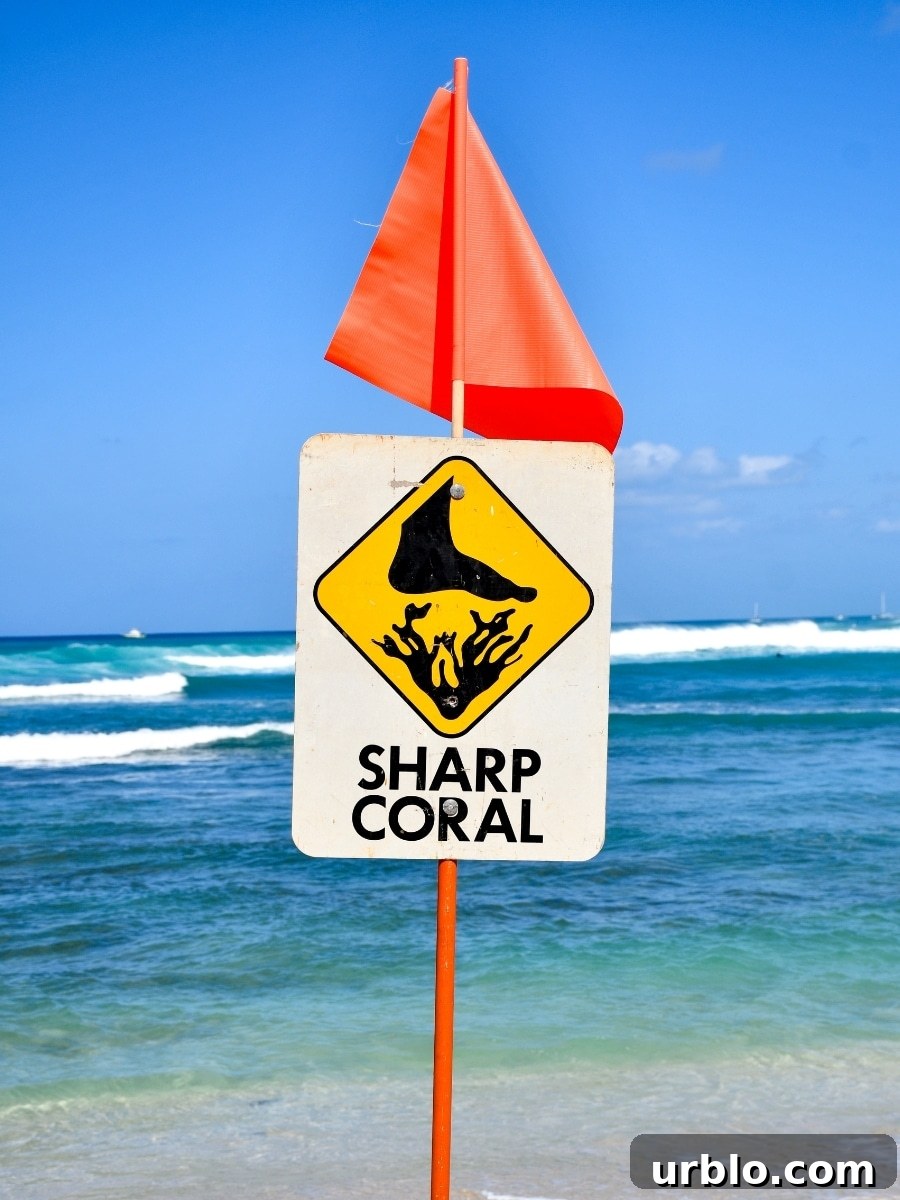
Enjoying Hawaiʻi’s stunning beaches starts with staying safe in the ocean; a few key tips can make all the difference.
Hawaiʻi’s beaches are world-renowned. With over 112 miles (180 km) of coastline on Oʻahu alone, ocean recreation is a major draw for visitors and locals alike. The water is beautiful, but conditions can change quickly and become hazardous. Locals treat ocean safety seriously, and visitors should too. Below are practical, easy-to-follow tips to help you stay safe while enjoying the islands’ waters.
Stay Safe at Oʻahu Beaches
- Winter warning: North-facing shores can be extremely dangerous from November through April. During these months it’s often best to watch the surf from the shore rather than enter the water.
- Know the ocean conditions: Check daily weather and surf reports and consult the lifeguards on duty for up-to-date information about hazards and changing conditions.
- Pick a lifeguarded beach: Choose beaches with lifeguards on duty and speak with them before entering the water. Lifeguards can advise on hazards, tides and safe swim areas.
- Avoid drugs and alcohol: Never enter the ocean under the influence. Impaired judgment greatly increases the risk of accidents and drowning.
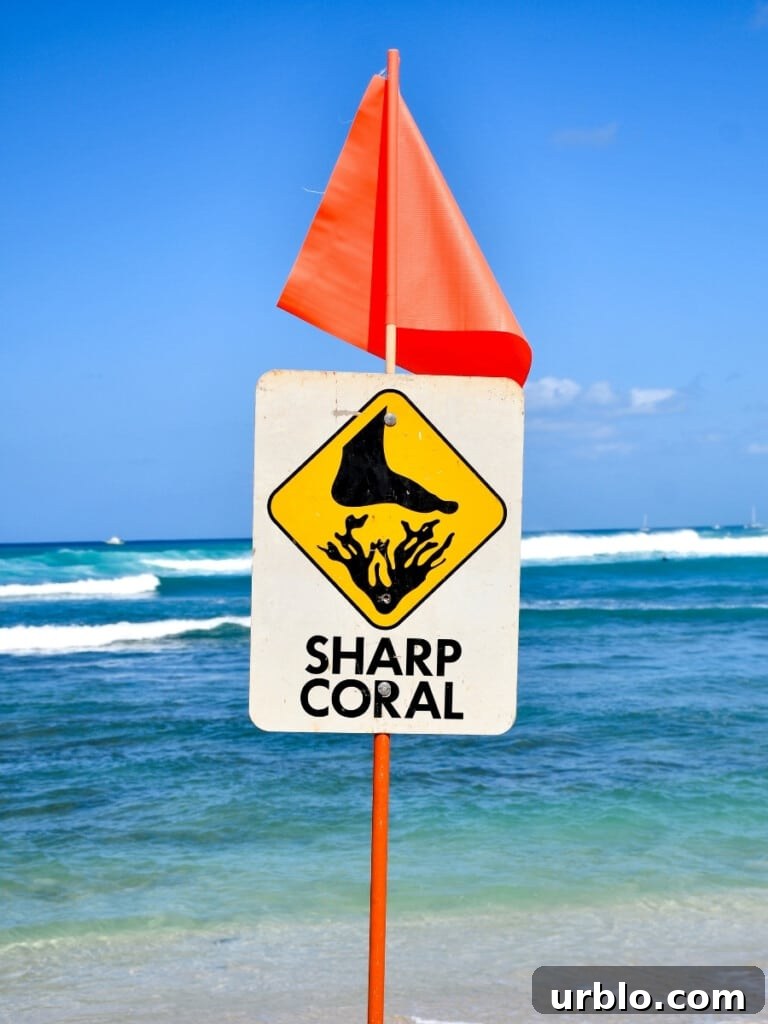
- Read and obey signage: Warning signs posted at the beach supersede guidebook advice. Pay attention to posted messages and local instructions.
- Beware of box jellyfish: Box jellyfish can appear seasonally. Stay out of the water if warnings are posted and follow local guidance about sightings.
- Don’t climb on wet rocks: Wet rocks indicate wave activity and are extremely slippery. Stay on dry, stable ground and keep a safe distance from the surf zone.
- Avoid daredevil activities: Do not dive from cliffs, rocks or waterfalls. Shallow or murky water can hide submerged hazards. Stay away from blowholes and unstable ledges.
- Rent from licensed operators: Use certified vendors for snorkel, dive and other water equipment. Seek instruction from qualified guides or book a supervised activity if you’re unsure.
- Know your limits: Be honest about your swimming ability and fitness. Don’t attempt activities beyond your skill level and always practice caution in unfamiliar water.
- Buddy up: Swim, snorkel and surf with a partner. Never leave children unattended or place them in charge of others near the water.
- Keep your eyes on the sea: Never turn your back to the ocean. Unexpected sets can arrive quickly; if a large wave approaches, dive under it, surface behind it, and swim toward shore between sets.
- Advice for rips: If caught in a rip current, remain calm. Don’t try to swim directly against it. Swim parallel to shore to escape the current, then angle back toward the beach.
- If in doubt, don’t go out: When conditions are uncertain, the safest choice is to stay on shore.
Practice Sun Safety in Hawaiʻi
- Guard against sun damage: Protect yourself from ultraviolet rays even on cloudy days. Use SPF30+ reef-safe sunscreen and reapply after swimming. Hats, sunglasses and lightweight long sleeves add protection.
- Use reef-safe sunscreen: Choose sunscreens that do not contain oxybenzone or octinoxate to help protect coral reefs and marine ecosystems.
Protect Hawaiʻi’s Oceans & Reefs
Travelers can help reduce the environmental impact of tourism by following simple, responsible practices while visiting Hawaiʻi’s marine environments.
- Do not walk or stand on coral: Seek sandy or coral-free entry points or use a flotation device to avoid contact with the seafloor.
- Book eco-friendly tours: Choose tour operators that prioritize sustainability and minimize environmental impact.
- Dispose of trash properly: Place litter and recyclables in appropriate bins. Do not leave rubbish on the beach, including cigarette butts.
- No touching or feeding reef life: Do not handle coral or marine animals. Feeding wildlife disrupts natural diets and behavior.
- Be careful with water equipment: Clean and sanitize gear between locations. Avoid dragging kayaks or boards over coral, which can damage fragile reef systems.
Respect Hawaiʻi’s Marine Life
Hawaiʻi’s waters support a wide variety of marine species, including Hawaiian green sea turtles (honu), spinner dolphins (naia), humpback whales (kohola), monk seals and many native fish. Respecting wildlife ensures their protection and your safety.
- Do not touch marine life: Observe animals from a respectful distance. Use zoom lenses or binoculars and limit the duration of your encounters.
- Do not feed marine life: Feeding alters natural behavior and can harm animals. Keep the ocean clean by disposing of trash properly.
- Abide by boat etiquette: When boating, avoid approaching wildlife. If animals come near, put the engine in neutral and allow them to pass. Never encircle or trap wildlife between vessels and the shore.
- Keep your distance from whales: Maintain at least 300 ft (90 m) from humpback whales and at least 150 ft (45 m) from other marine mammals, as required by law and for their safety.
- Respect Hawaiian green sea turtles: Stay at least 6–10 ft (2–3 m) away from turtles on land or in the water and avoid disturbing resting or basking animals.
- Don’t swim with spinner dolphins: Leave wild spinner dolphins alone. If you choose a dolphin tour, pick operators that follow best practices for dolphin welfare and conservation.
By following these ocean safety and conservation tips, you can enjoy Hawaiʻi’s breathtaking waters responsibly and with greater confidence.
Please Follow Us @WAIKIKIBEACHSTAYS
Read Next
- Hawaiʻi Travel Safety Tips
- Hawaiʻi Land Safety Tips
- Hawaiʻi Road Safety Tips