Looking for more consistent success with international desserts and baking?
These 10 practical baking tips will help you improve your international dessert making and bake with more confidence and better results.
If you didn’t grow up around people who baked and taught you the basics, you’re far from alone. Many home bakers discover techniques as adults or learn recipe by recipe. Whether you’re new to baking, have some experience, or want to sharpen your skills, a few reliable habits make a big difference.
With simple tips and consistent practice anyone can become an accomplished maker of international desserts—from French tarts and German strudels to British scones and pavlova.
When I began baking I could barely manage boxed mixes. Over time I learned techniques and built confidence. Now I enjoy making a wide variety of treats and want to share the straightforward practices that helped me improve.
Whether you’re baking holiday cookies with kids, recreating a dessert you loved on vacation, or trying a new international recipe, these tips will help reduce mistakes and increase enjoyment.
10 Best International Desserts & Baking Tips for Beginners & Intermediate Bakers
1. Read the Recipe
This is the most important tip. Many beginners and even intermediate bakers skip it. Read the entire recipe at least once or twice before you begin—ideally while seated and not rushed. That prevents surprises like missing ingredients or unexpected steps and helps you bake more calmly and confidently.
2. Gather Ingredients & Supplies Before You Start
Check you have every ingredient and any special tools the recipe requires before starting. Substitutions are possible for many items, but having everything ready reduces stress and prevents interruptions—especially with international recipes that may call for unfamiliar ingredients.
3. Start (Most) Ingredients at Room Temperature
Unless a recipe states otherwise, use room-temperature butter, eggs, and dairy. These ingredients blend more smoothly into batters and doughs. Cold butter is difficult to incorporate and makes creaming sugar and butter nearly impossible, which affects final texture.
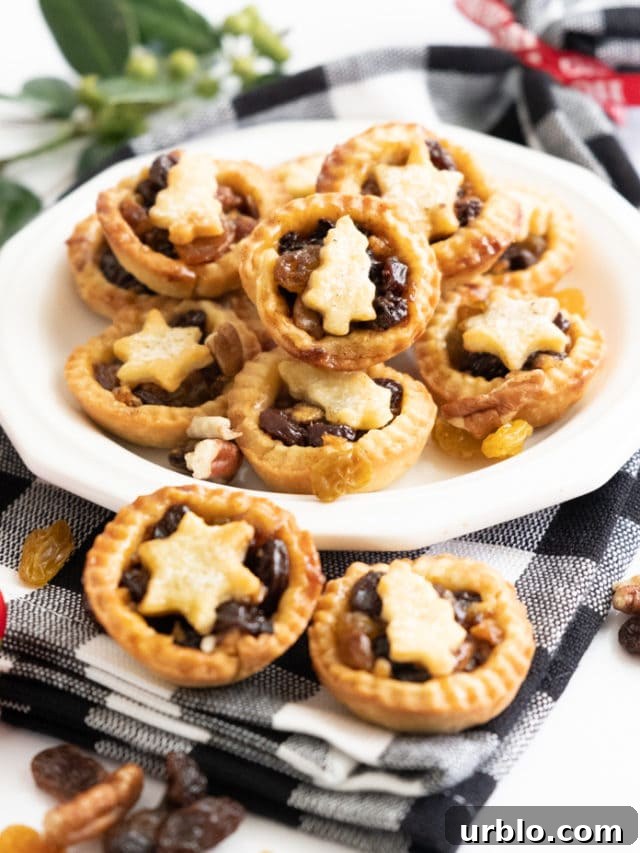
4. Measure Carefully (and Use a Scale)
Accurate measurements are crucial in baking. Eye-balling can work for cooks familiar with a recipe, but for consistent results measure precisely. A kitchen scale is especially helpful—weight measurements are far more reliable than volume for ingredients like flour. Investing in a simple scale will improve outcomes.
5. Preheat Your Oven
Always preheat the oven unless the recipe instructs otherwise. Baking in an oven that hasn’t reached the correct temperature can cause uneven baking, longer times, and problems like burnt edges with undercooked centers. Turn the oven on early so it’s ready when you are; some recipes even recommend an extended preheat for specialty breads.
6. Prepare Your Baking Pans
Prepare pans properly to avoid stuck or broken baked goods. Decide how to prepare the pan while you’re reading the recipe—options include nonstick spray, parchment paper, silicone mats, butter and flour, or shortening and flour. Parchment and silicone mats are versatile and reliable choices.

7. Use Silicone Mats or Parchment on Cookie Sheets
Silicone baking mats or parchment improve baking consistency and make cleanup easy. They also protect pans and extend their life. Choose heavy, warp-resistant pans for even baking. A cookie scoop helps portion dough uniformly so cookies bake evenly and look consistent.
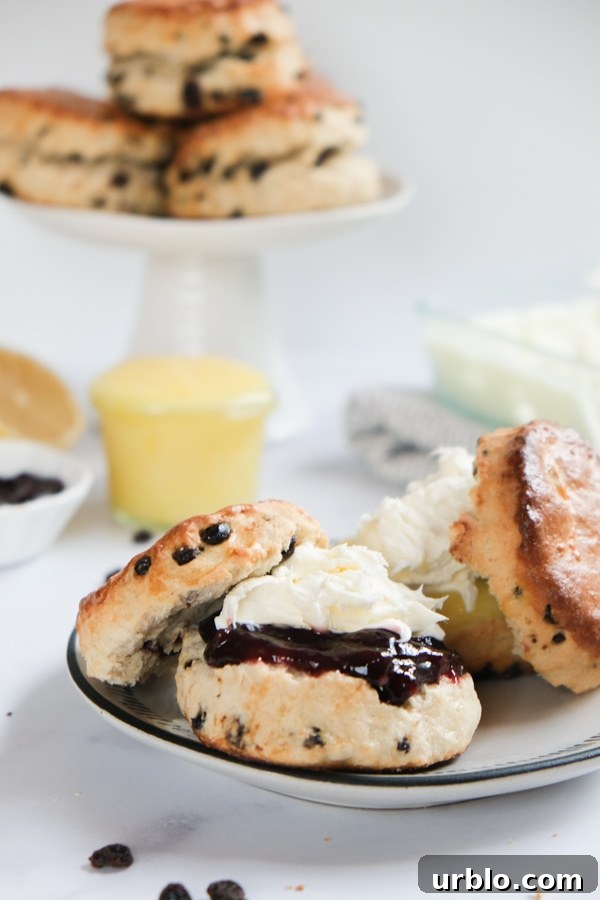
8. Cream Butter and Sugar Properly
Creaming room-temperature butter with sugar creates a light, even texture and helps distribute sugar without overworking leavening agents. Use a stand mixer or a good hand mixer to achieve an even, fluffy mixture before adding other ingredients.
9. Don’t Open the Oven Door
Avoid opening the oven while baking. Each time the door opens, heat escapes and can cause uneven rise or sinking. Use the oven light and window to check progress. If you must peek, wait until the last 20% of the bake time so you don’t disrupt the process early on.
10. Use Thermometers
Ovens don’t always run at the set temperature, especially older models. An oven thermometer verifies the true internal temperature so you can adjust accordingly. For candy, custards, or sugar work, a reliable candy or instant-read thermometer ensures precise results and helps avoid costly mistakes.
Apply these tips consistently and you’ll notice steadier, more successful results when baking international desserts. With practice, patience, and the right habits, baking becomes more enjoyable and predictable.