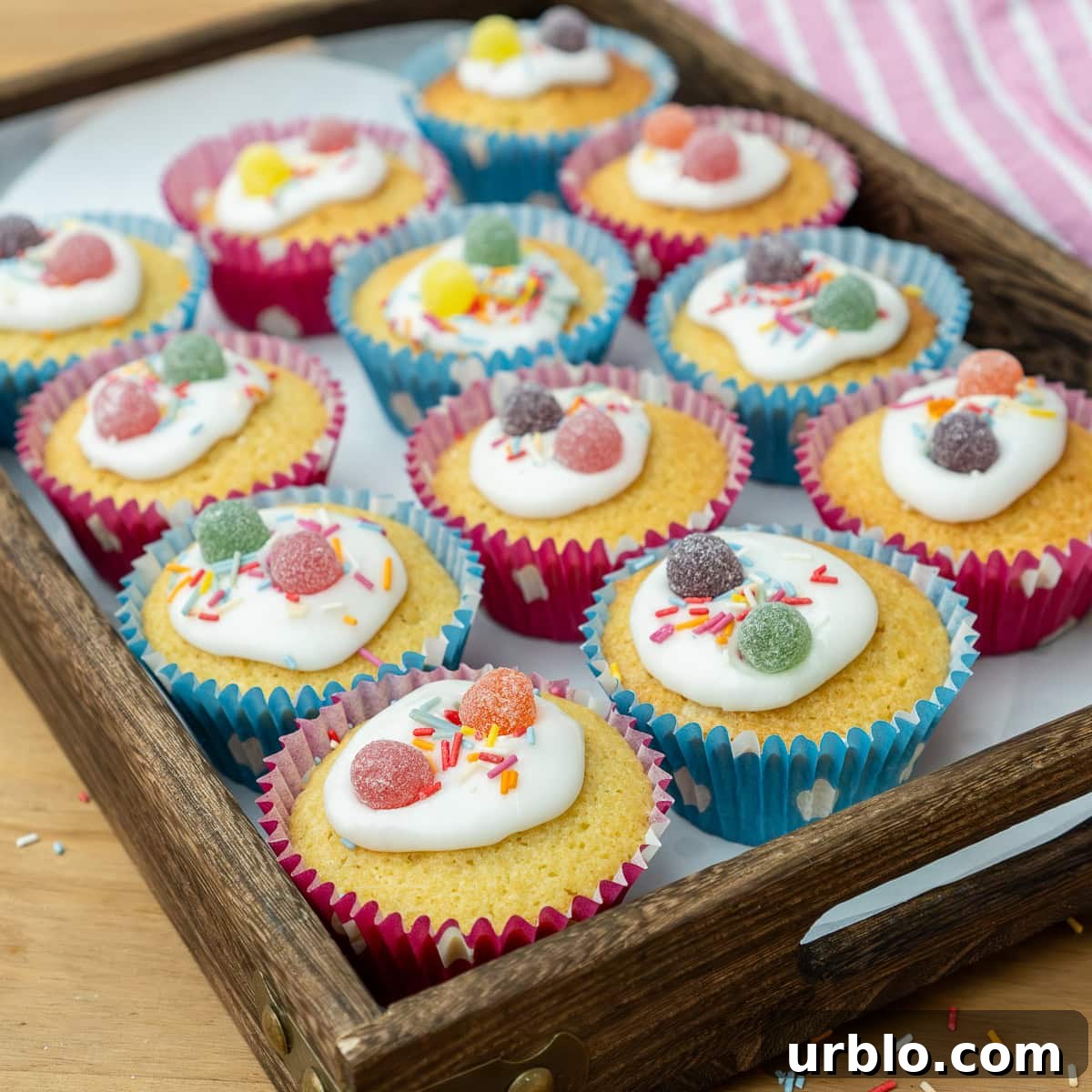
These easy fairy cakes, decorated with sprinkles and sweeties, have been a fixture in our kitchen for as long as I can remember. They’ve seen school bake sales, rainy afternoons, birthday parties and countless “Mum, can we make something?” moments.
Even though our children are nearly grown, the moment I say “fairy cakes” they revert to five-year-olds: helping make them, making a mess, hovering by the oven asking if they’re ready and bickering over who gets to lick the bowl.
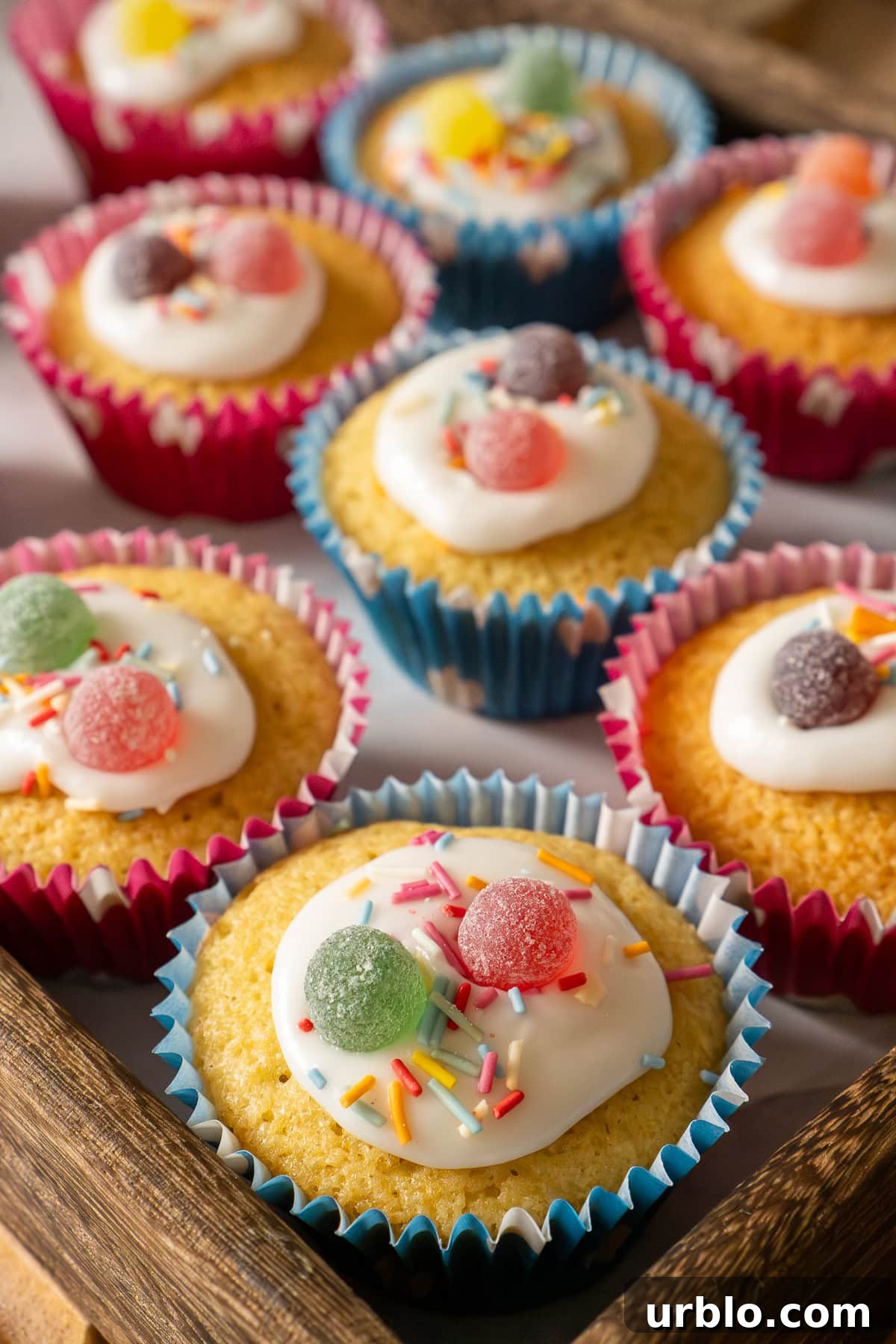
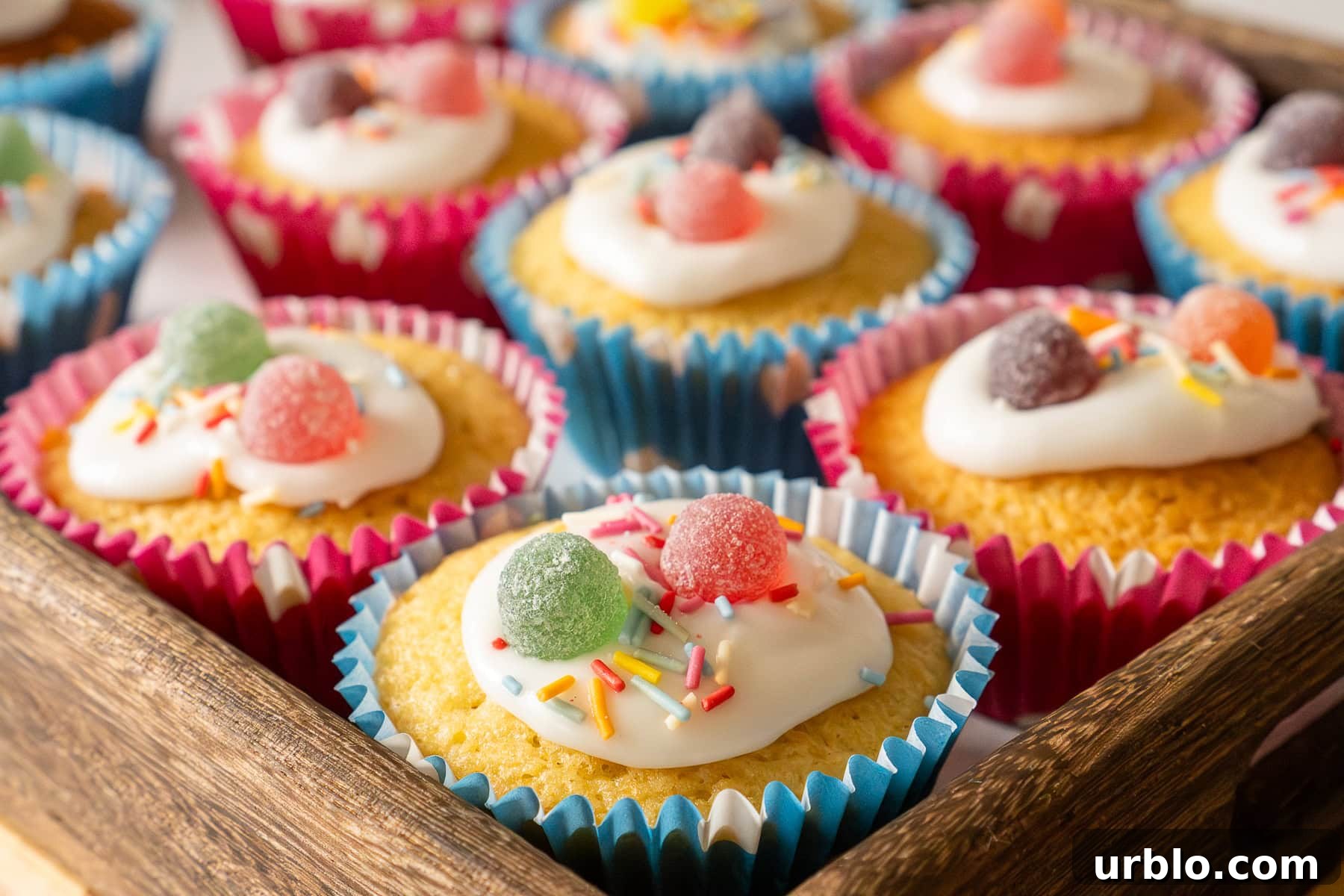
These cakes aren’t fancy or perfect, and they don’t require piping bags or meticulous swirls. They’re simple, fluffy, nostalgic little sponges baked in colourful paper cases and finished with a spoonful of icing and your favourite sweets. If you’d like a chocolate version, try our chocolate fairy cakes.
📖 Step by Step Recipe
Fairy Cakes
Luke and Kay – Flawless Food
No piping bag needed—these are proper old-school fairy cakes made for sharing and enjoying with children.
Equipment
Ingredients
- 130 g caster sugar
- 130 g unsalted butter
- 130 g self-raising flour
- 2 large eggs
- ½ tsp vanilla extract
- 80 g icing sugar
- 1 tbsp milk
- Sweeties (e.g. Jelly Tots, Jelly Beans, Dolly Mixture)
- Sprinkles
Instructions
-
Preheat the oven to 170℃ fan / 190℃ conventional / 375℉ / gas mark 5. Line a cupcake tin with cases.
-
Cream 130 g caster sugar and 130 g unsalted butter together until pale and fluffy. A stand or hand mixer speeds this up, but you can do it by hand.
-
Beat in 2 large eggs, one at a time, and ½ tsp vanilla extract. Tip: Stir in 1–2 tbsp of the measured flour while adding the eggs to help prevent the mixture from curdling.
-
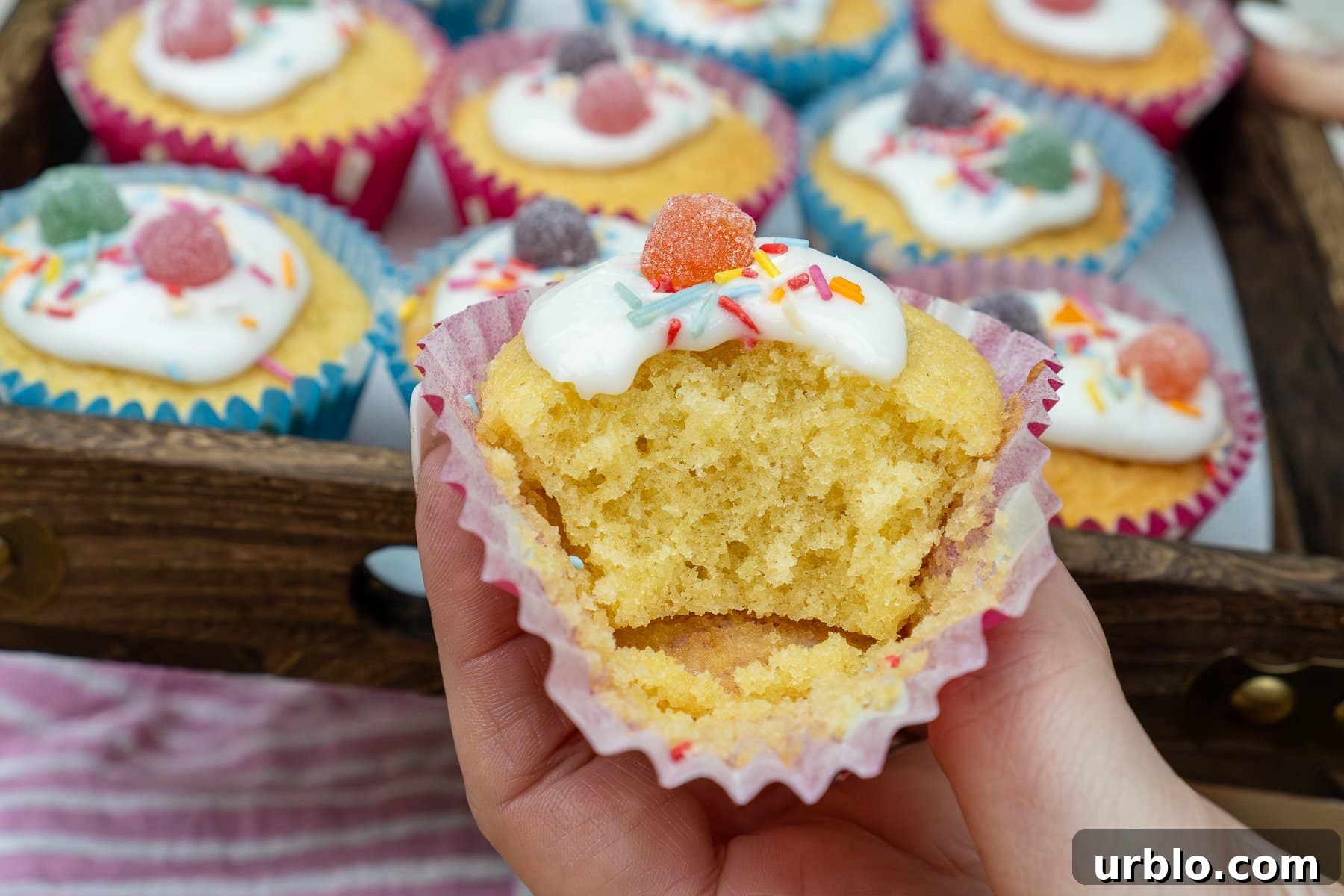
Add the remaining 130 g self-raising flour and fold it in gently with a spatula until just combined — do not overmix.
-
Spoon the mixture into the cases, filling each about halfway (roughly 1 tablespoon each to start).
-
Bake for 15–20 minutes at the temperature above, until risen and lightly golden.
-
Remove from the oven and transfer to a wire rack to cool completely before decorating.
Decorating
-
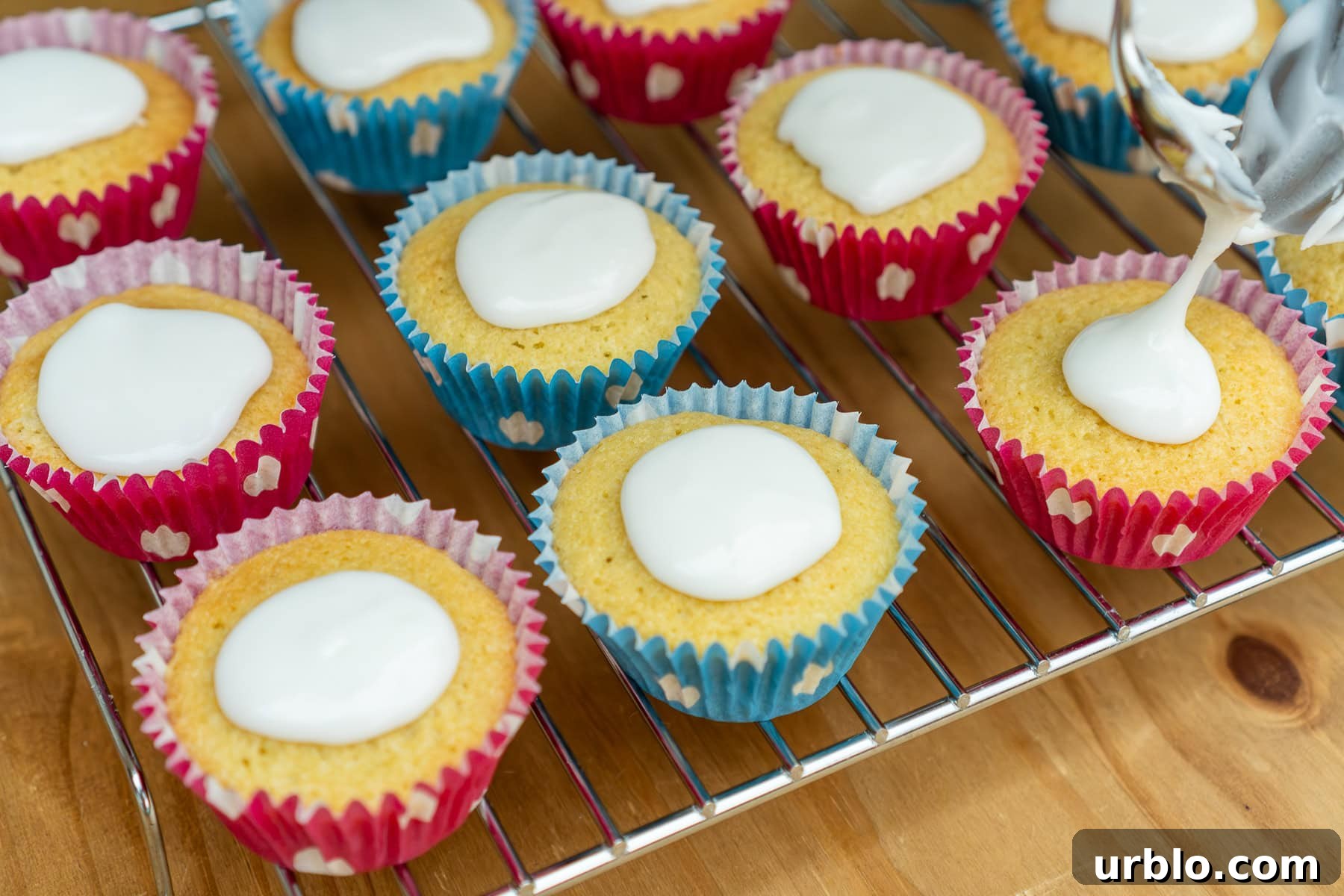
Mix 80 g icing sugar with 1 tbsp milk to form a thick icing. Adjust with a little more milk or icing sugar to achieve a spreadable but not runny consistency.
-
Spoon a teaspoon of icing onto each cooled fairy cake — neatness isn’t necessary; these are not cupcakes!
-
Top with sprinkles and sweeties. Jelly Tots are always popular with children.
-
Enjoy!
Video
Nutrition
Top Tips
A few simple tips make a big difference when baking fairy cakes, especially if you’re working with children or short on time.
Soften Butter
Make sure the butter is soft before you start so it creams properly with the sugar. If you need to speed this up, cut the butter into cubes and microwave on low power for short bursts, but avoid melting it — melted butter will change the cake’s texture.
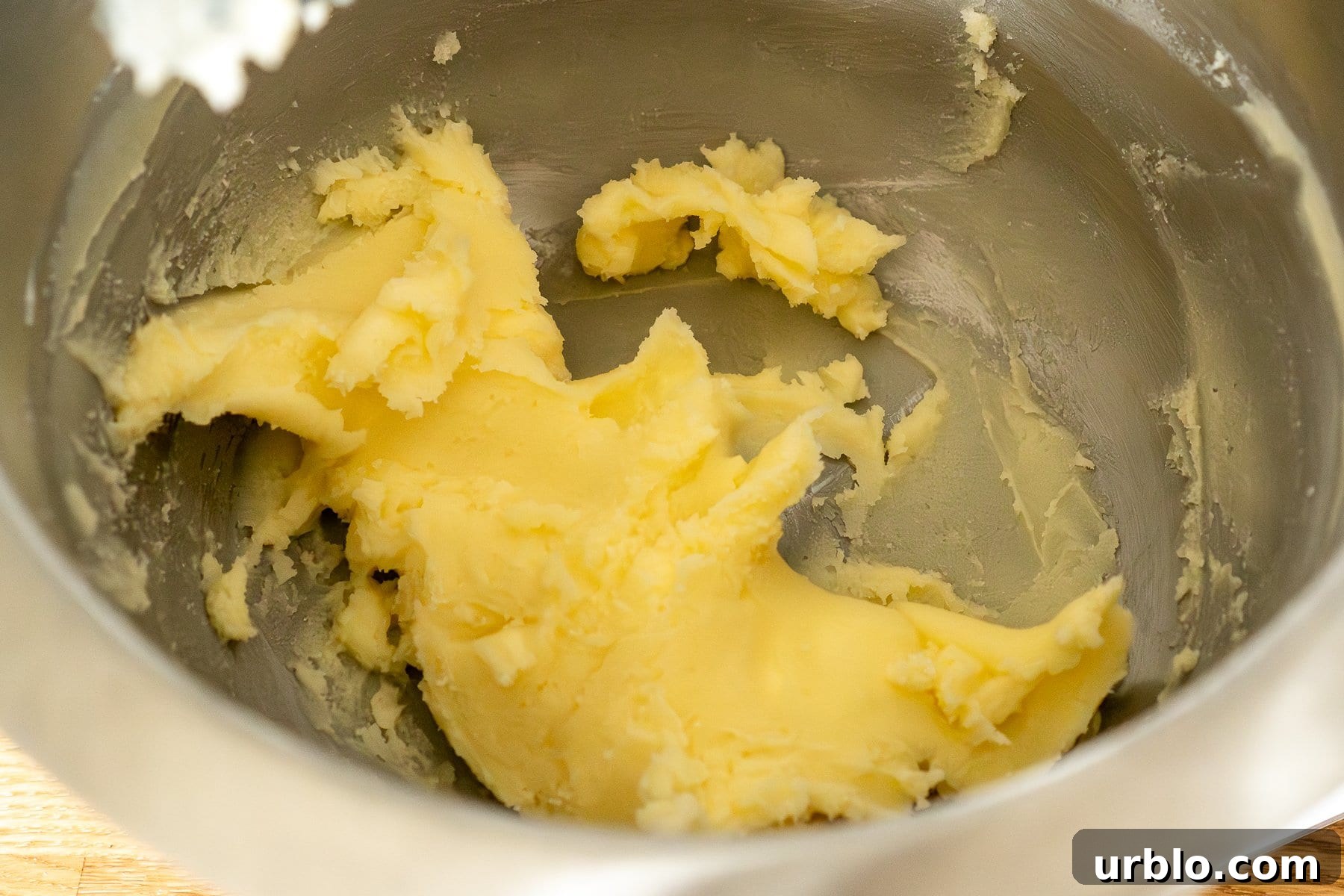
Do I Need a Mixer?
You can make these by hand with a wooden spoon and they will still be lovely. An electric hand mixer or stand mixer makes the creaming stage quicker and often gives a lighter, airier sponge, so use one if you have it.
If Your Batter Splits
It’s normal for the mixture to look a little curdled after adding the eggs. To reduce this, add eggs one at a time and mix well between each addition. Stirring in a tablespoon or two of the measured flour while adding eggs also helps. If it still looks split, fold in the remaining flour gently — the batter should come together during baking.
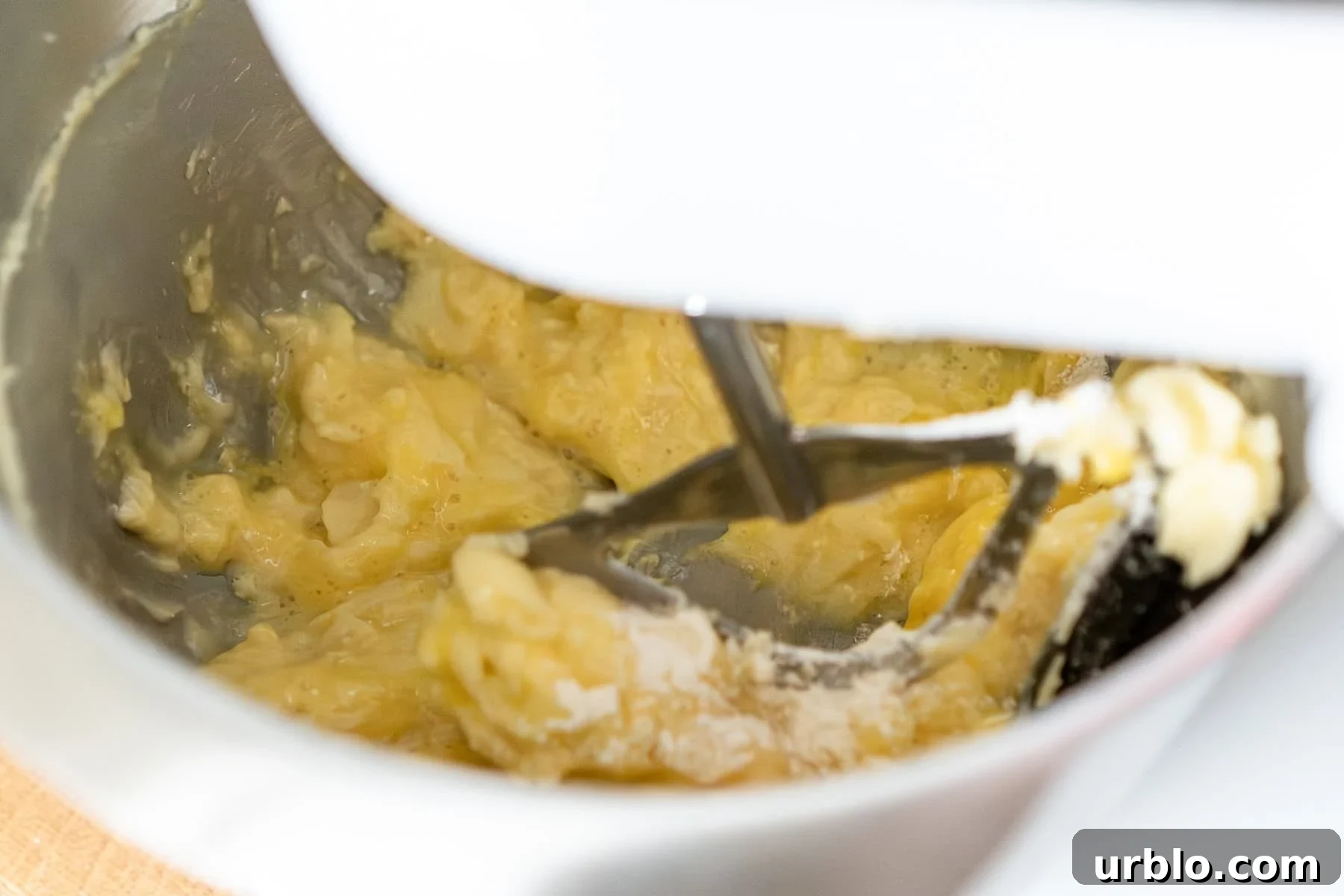
Fairy cake is not flat
If your cakes rise into a peak instead of a flat top, the oven may be too hot. The outside sets before the center finishes rising. Make sure the oven is fully preheated and try reducing the temperature slightly next time.
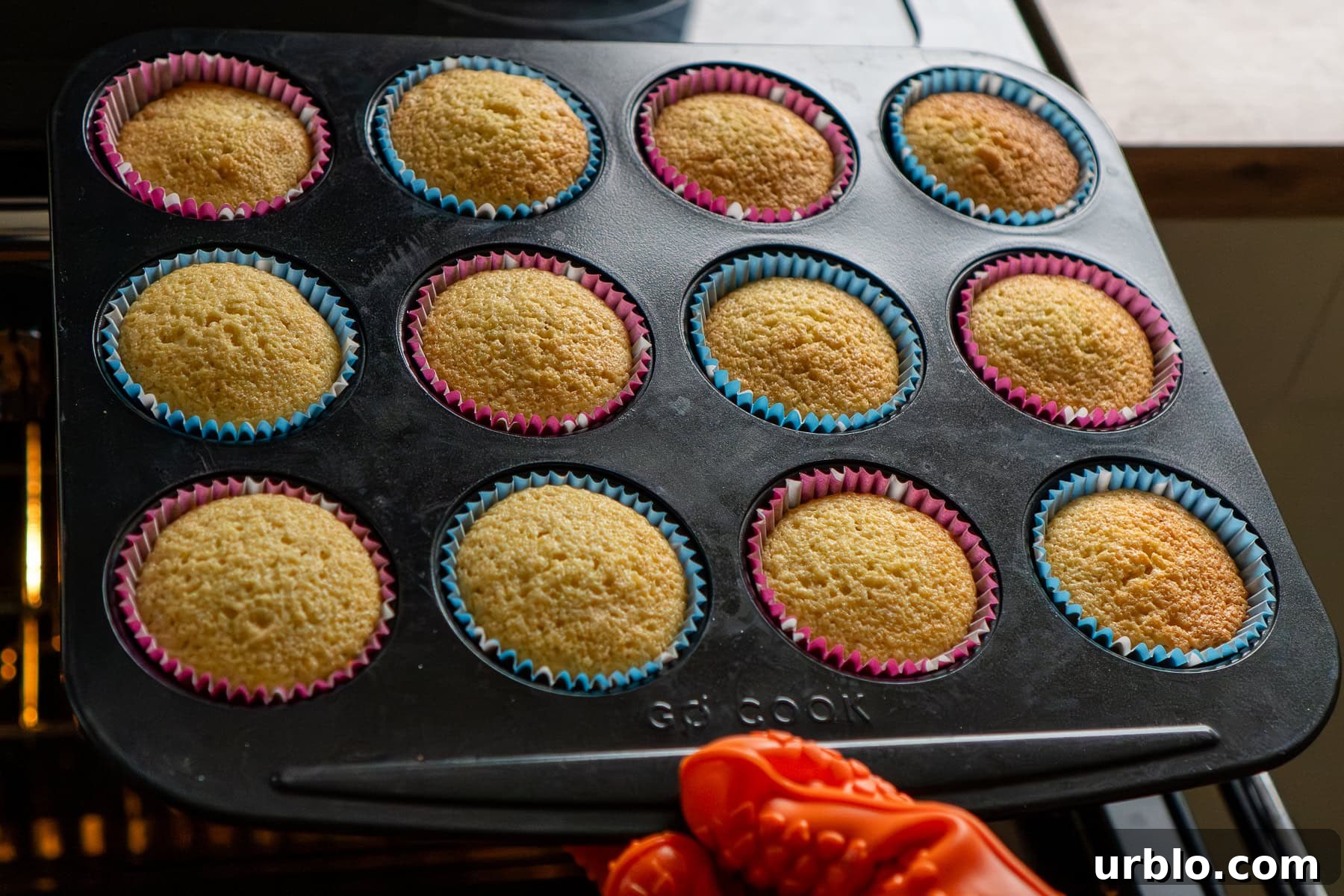
Flavour Variations
These fairy cakes are a great base for variations. You can tweak both the sponge and the icing to create different flavours from the same simple recipe.
Flavouring the Sponge
Swap vanilla for other extracts (use the same amount, ½ tsp) — lemon for a fresh zing, orange to complement chocolate or vanilla, or almond for a classic taste.
Flavouring the Icing
Add a few drops of essence to the icing or replace part of the milk with lemon or orange juice for a citrus glaze. Raspberry essence gives a fruity twist. A drop of food colouring makes cheerful, colourful cakes.
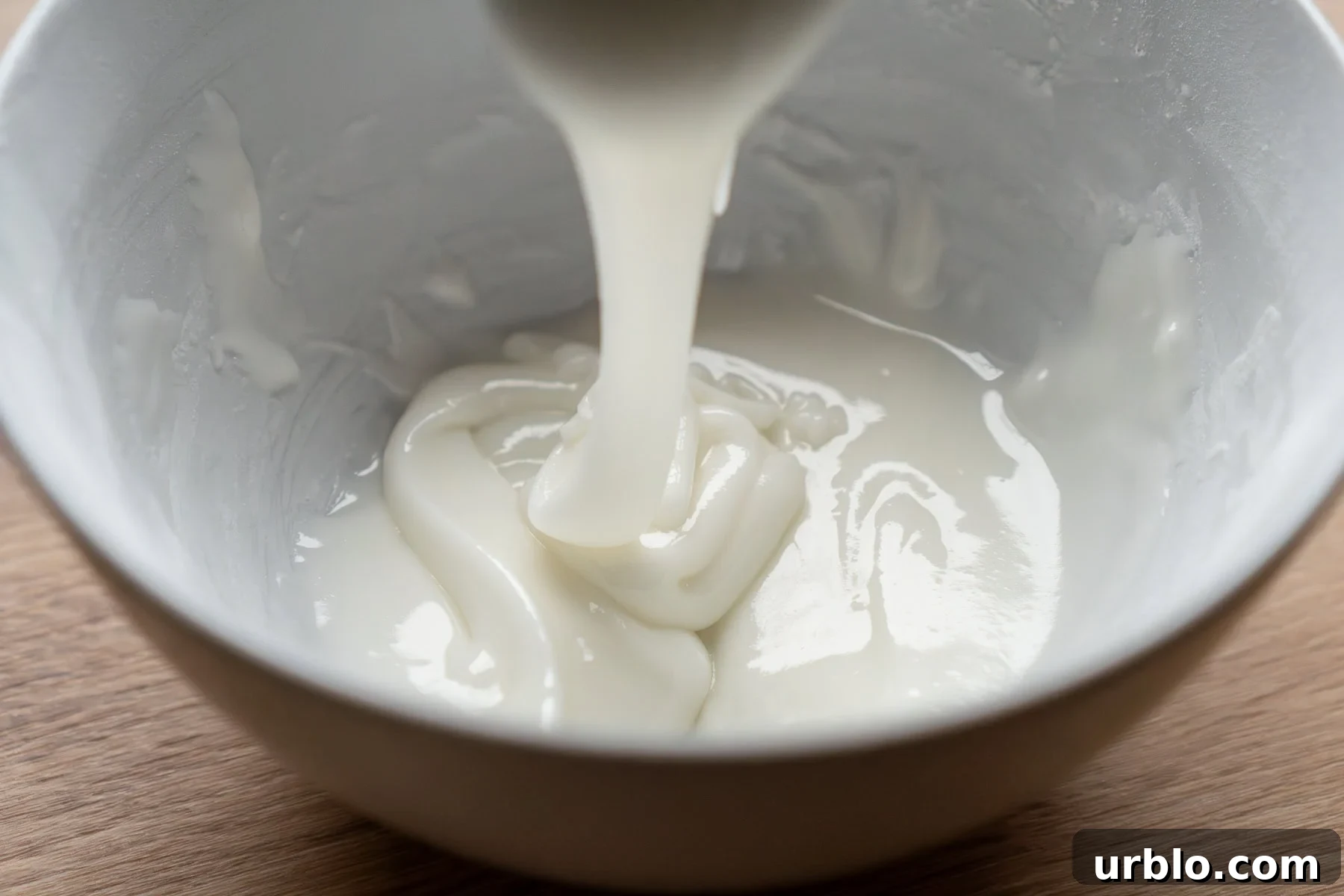
Let Them Cool Before Icing
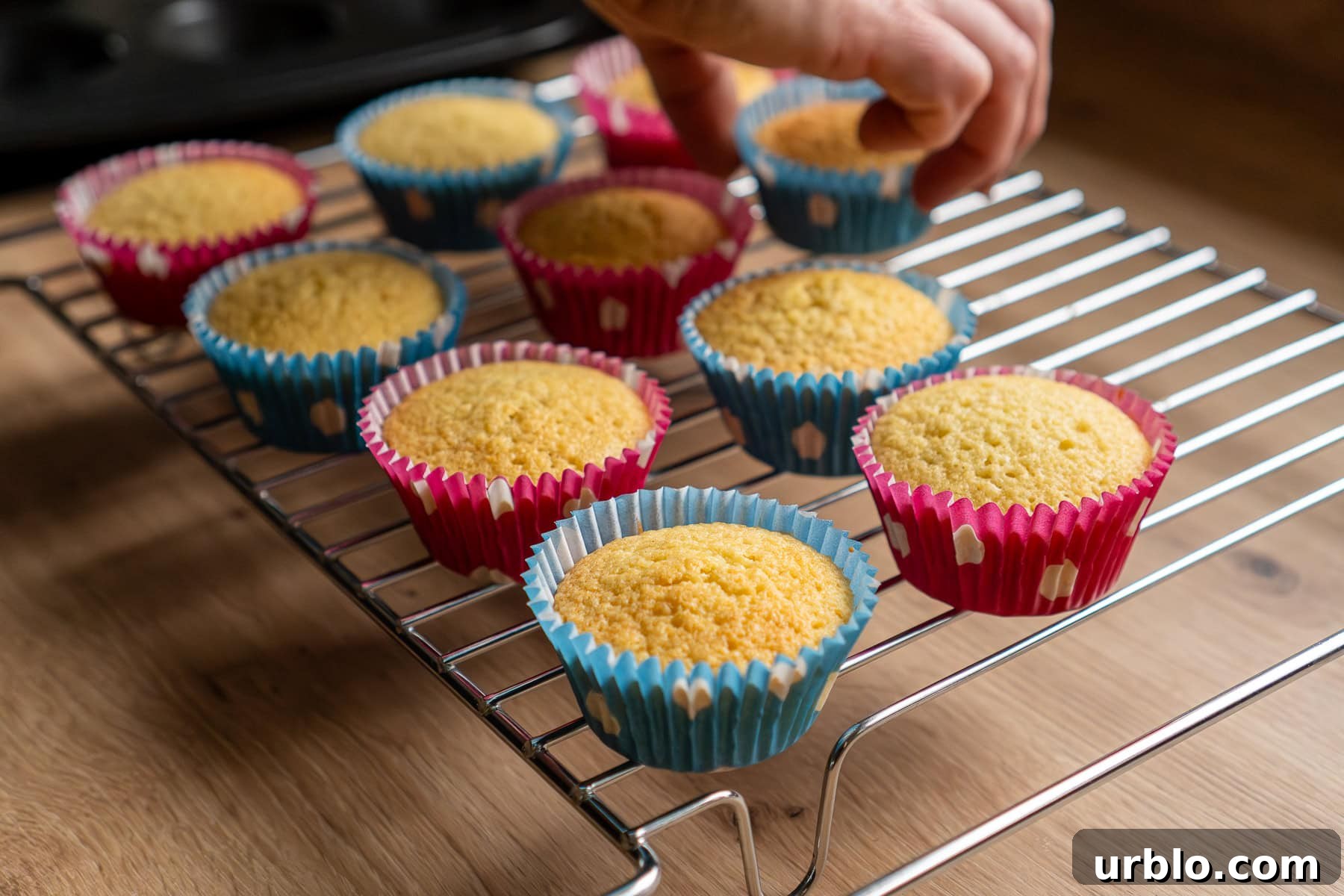
Always let the cakes cool completely before adding icing; otherwise the icing will melt and slide off, leaving a sticky mess.
Toppings for Fairy Cakes
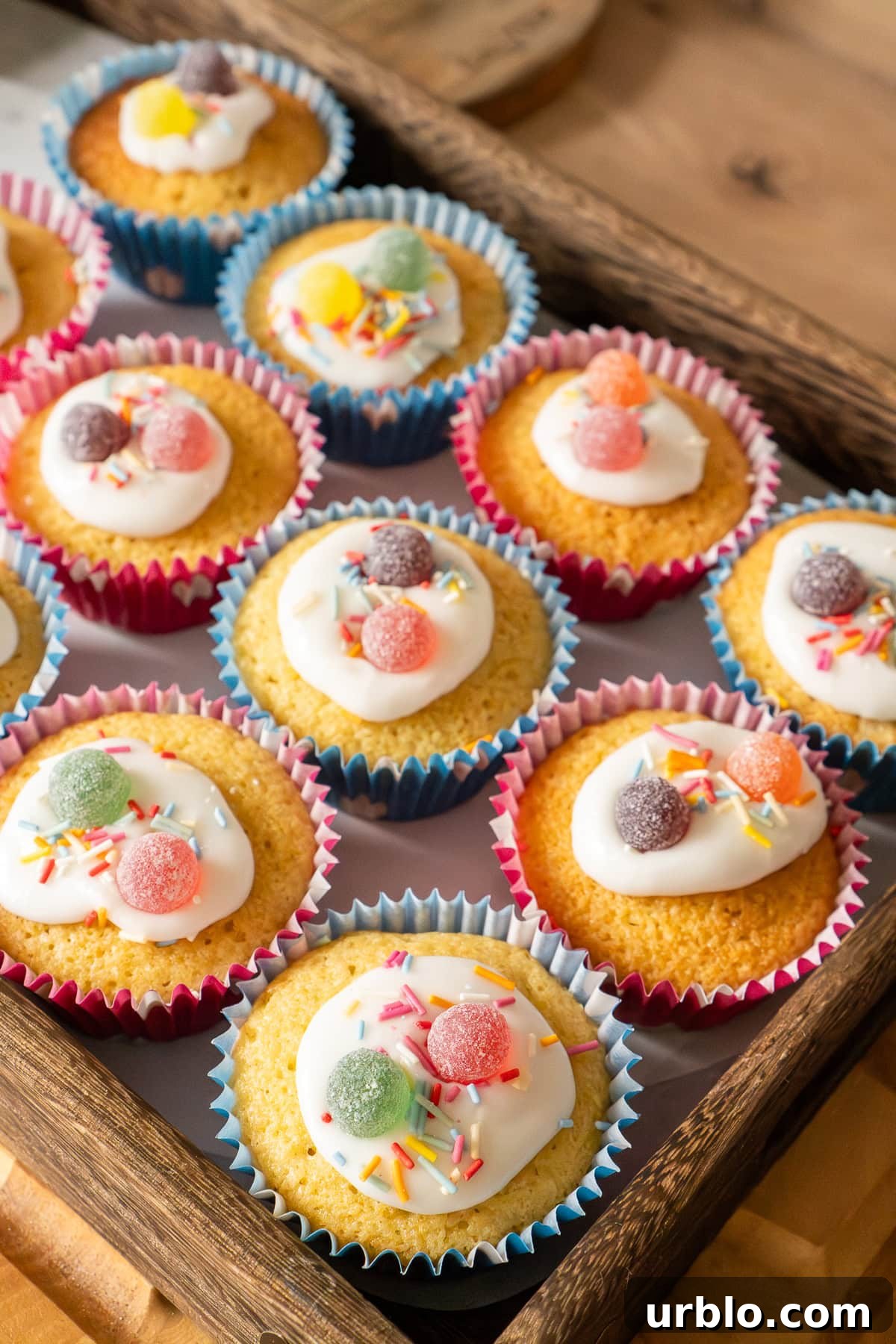
Think colourful sprinkles, shiny sweeties and little sugary gems that make each cake special. Jelly Tots, Dolly Mixture, mini marshmallows, chocolate buttons, hundreds-and-thousands or a light dusting of edible glitter all work well.
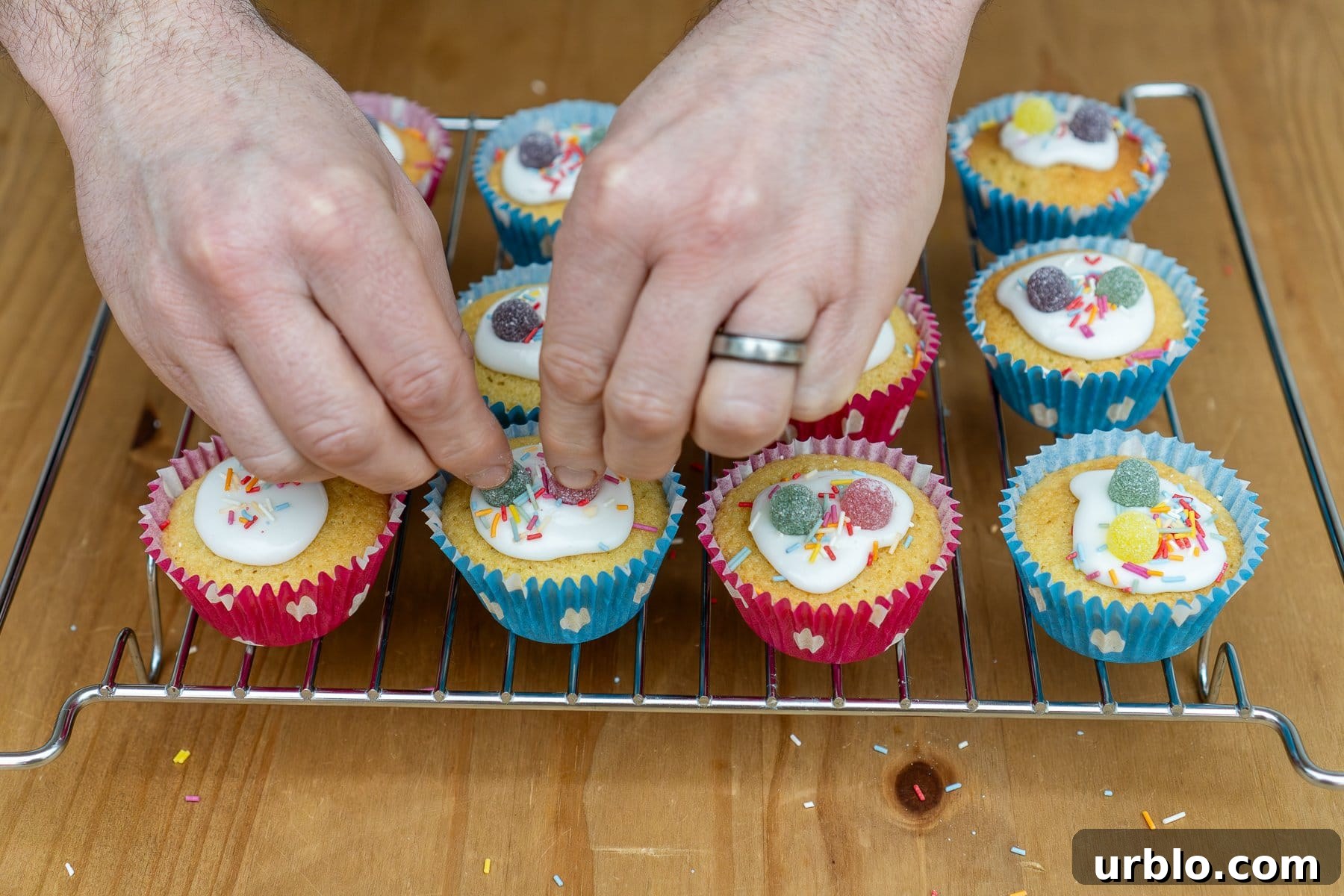
Let everyone decorate their own — you’ll end up with a tray of unique little cakes, like tiny treasure chests from a fairy kitchen.
Storage
Store fairy cakes in an airtight container at room temperature for up to 3 days.
They freeze well (without icing) for up to 3 months. Defrost fully before decorating.
Fairy Cakes History
Fairy cakes are the original British mini cake. Long before cupcakes with thick buttercream became trendy, home bakers made small, light vanilla sponges with a simple icing on top. They’re affordable, easy to share and perfect for little hands.
We used to tell the kids the cakes were called “fairy cakes” because of the tiny “fairy treasure” on top — sprinkles and sweeties that made each one feel magical. Unfortunately, there’s no actual fairy to tidy up the kitchen afterwards—just flour, crumbs and washing up.
More Small Cake Recipes
If you enjoyed these fairy cakes, you might also like:
- Chocolate Cornflake Cakes
- Chocolate Chip Brownies
- Rock Cakes
- Iced Buns with Sprinkles
- Queen Cakes (raisin cupcakes)