This article is part of a Q&A series about cooking on vacation. The full series is available on the original site.
Tara Austen Weaver, known as Tea, is a Seattle-based food and travel writer who blogs at Tea & Cookies, where she writes about cooking, gardening, travel, reading, and writing with quiet honesty. She is the author of the memoir The Butcher and the Vegetarian and recently published an e-book of stories and recipes from Japan to raise funds for disaster relief.
Here she shares how minimal treatment lets great ingredients shine, what she packs in her travel kitchen kit, and the story of her much-loved “berry pot.”
Do you take vacations in summer, and do you usually cook while away?
I try to take a few trips over the summer, often including camping or backpacking. This year I’m spending a few days on a farm learning to make goat cheese, and I usually spend part of August at my family’s cabin on a small island off the Canadian coast. The island has wonderful farms and spectacular produce, but the cabin kitchen is basic. I tend to improvise and make do — what I call “adventure cooking.”
How does your vacation cooking differ from your everyday cooking?
On vacation I push my summer cooking philosophy further: when ingredients are this fresh, I do very little to them. Tomatoes might get a quick roast to concentrate flavor; salads or noodle dishes get generous handfuls of herbs. Flavors stay bright and uncomplicated — no elaborate techniques or long stovetop sessions when the beach is calling.
Practical constraints also shape the food. Camping limits what I can do, and rental kitchens are often rudimentary. Occasionally I’ll tackle a larger project, like baking or making jam or ice cream, but mostly I aim for simple, quick, and delicious dishes that let the produce speak for itself.
Are there utensils or ingredients you always pack? Anything you regret leaving behind?
I wrote about the kitchen supplies I recommend taking to a summer house or cabin. The essentials I try to remember are: a Microplane grater, a pair of tongs, a reliable kitchen knife, and a handful of pantry basics — olive oil, vinegar, and a few favorite spices or dried herbs. Seasonally stocked cabins often have tired, stale spices, so bringing your own matters. I also keep a container of frozen pesto on hand: it brightens pasta, pizza, scrambled eggs, frittatas, and vegetables and tastes like summer.
What are your best and worst vacation cooking memories?
One of my happiest memories is of an old Le Creuset pot at my family cabin that we use so often for berry crisps the white enamel has taken on a purple patina. We call it “the berry pot.” I love imagining my nieces growing up remembering summers when we used that pot to turn freshly picked berries into an easy dessert.
On the flip side, my time as a summer wilderness guide produced plenty of misadventures: forgotten ingredients, food nibbled by animals, and the unfortunate reality that cheese becomes sweaty and unappetizing after days in a pack. Once a camping stove malfunctioned — plastic controls melted, flames shot up, and dry pine needles ignited beneath it. We very nearly burned the forest down.
Any tips or simple recipes that make cooking on vacation easier?
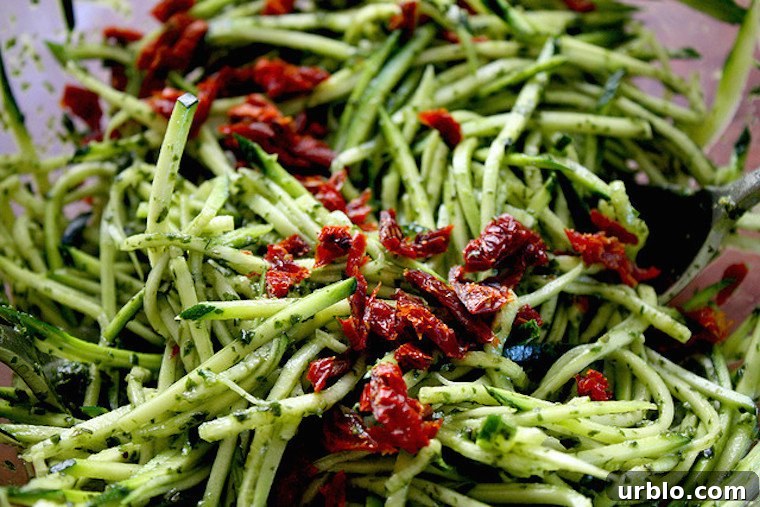
I use a mandoline a lot during the summer to make thin slices or julienne vegetables — a habit I picked up while living in Japan. Zucchini noodles are a favorite: they’re quick to make, showcase seasonal produce, and are light and healthy.
I also prepare a few things ahead of time when I know I’ll have limited kitchen access. For camping I sometimes make a Thai curry at home and transport it in a cooler, then simply cook fresh rice onsite. Other make-ahead favorites are frittatas and a sorrel tart I like to bake before leaving; slices work well for breakfast, lunch, or dinner alongside fruit and a salad.