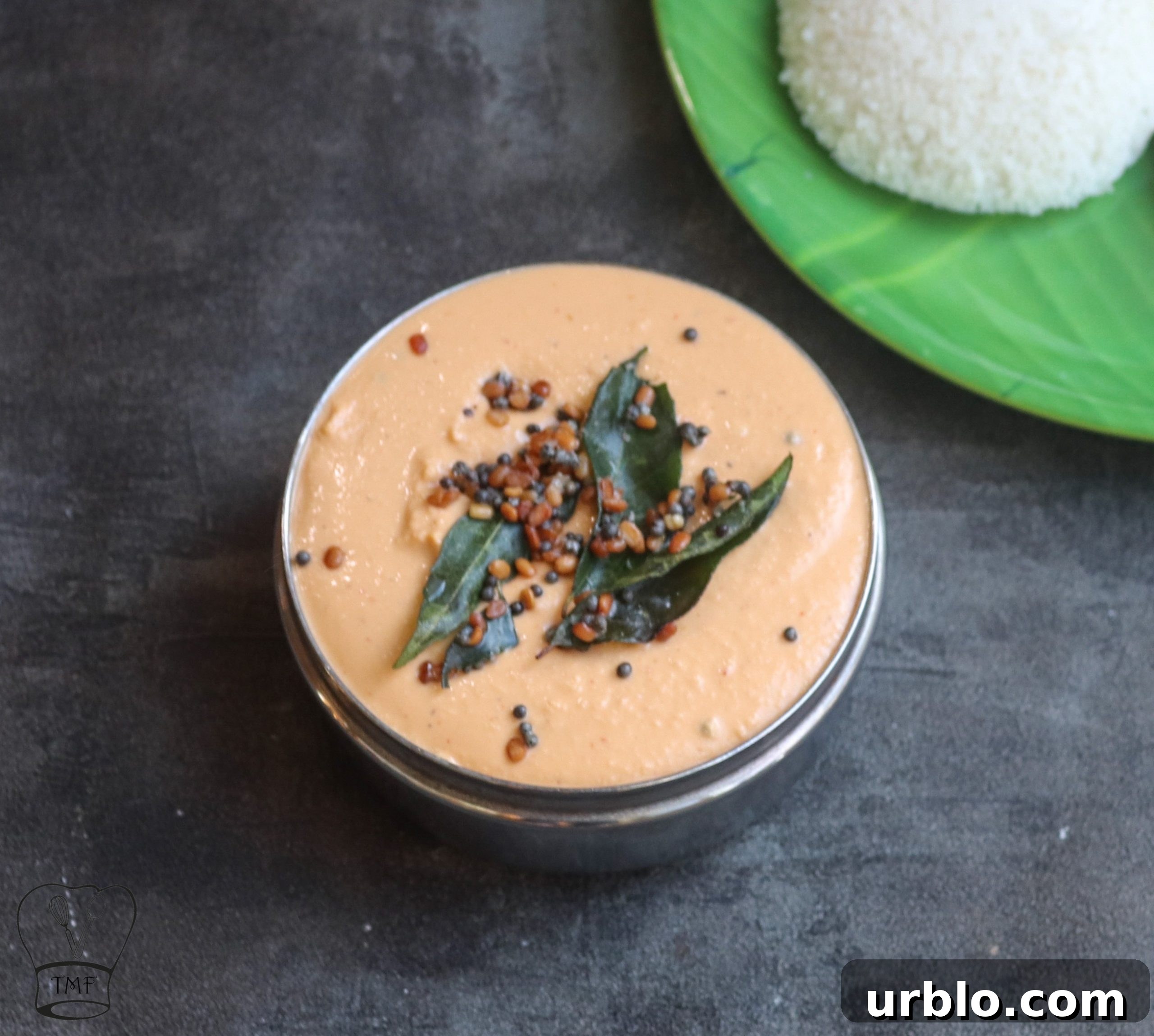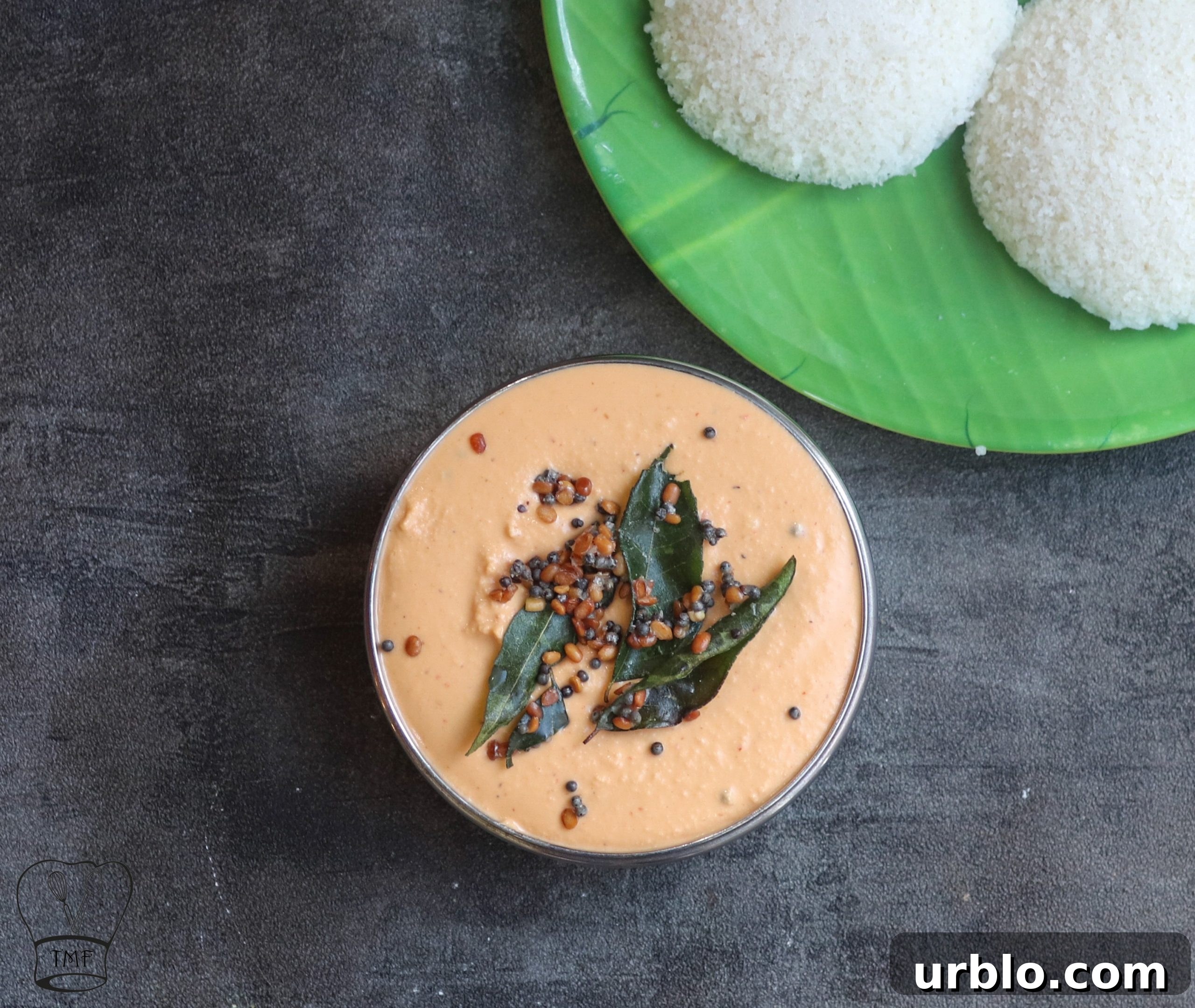
Peanut chutney | Groundnut chutney | Verkadalai chutney | Tamilnadu style groundnut chutney | kadala chutney | Andhra Palli chutney | shenga chutney | Andhra Style Peanut Chutney with step-by-step pictures and video. If you like the video please subscribe to the channel.
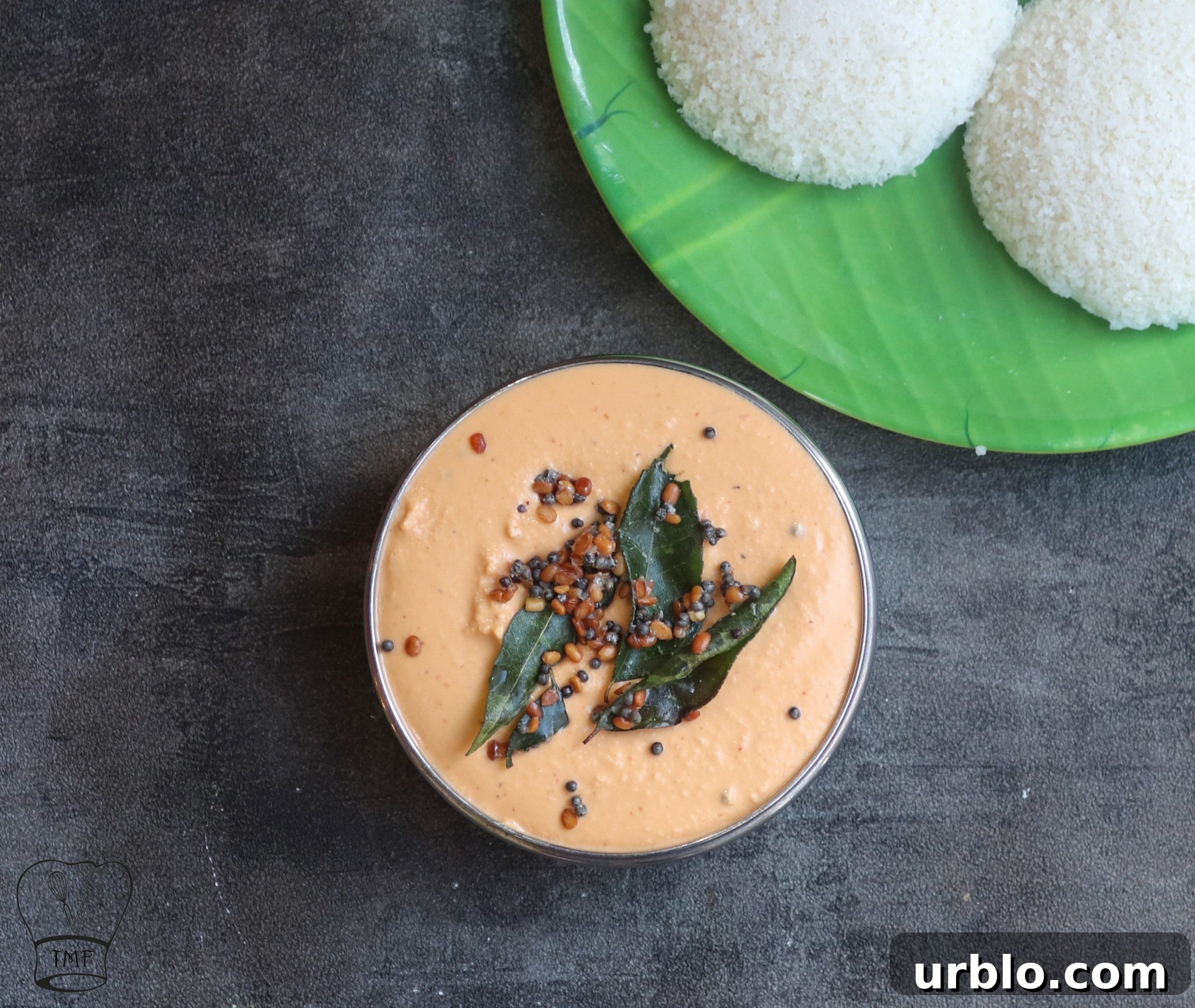
Peanut chutney is a quick, flavorful nut-based side dish commonly served with South Indian tiffin items like idli, dosa, and uttapam. It combines tangy, spicy and nutty notes and can be made in minutes using roasted peanuts. This vegan condiment is ideal for busy mornings when you want something nutritious and tasty.
Why peanut chutney?
Peanuts are nutritious and make this chutney both quick and wholesome. Traditional recipes roast peanuts over low heat before grinding, but using store-bought roasted unsalted peanuts saves time without compromising taste. This chutney can be prepared while idlis steam—ready before the tiffin is done.
Which peanuts work best?
Traditionally, peanuts with skin are dry roasted for a few minutes. For convenience I use unsalted roasted peanuts from the store; if you use salted peanuts, reduce added salt. Avoid raw peanuts—always use roasted peanuts for the authentic flavor. Check store-bought nuts for added sugars or syrups and avoid those with additives.
Can I skip coconut?
Yes. Coconut adds a creamy, sweet background to this chutney; if you prefer a stronger peanut flavor, reduce the coconut or replace it with sautéed onions for an Andhra-style peanut chutney. Sautéing onions takes extra time, so for quick mornings coconut is a handy choice.
Can I make it spicy?
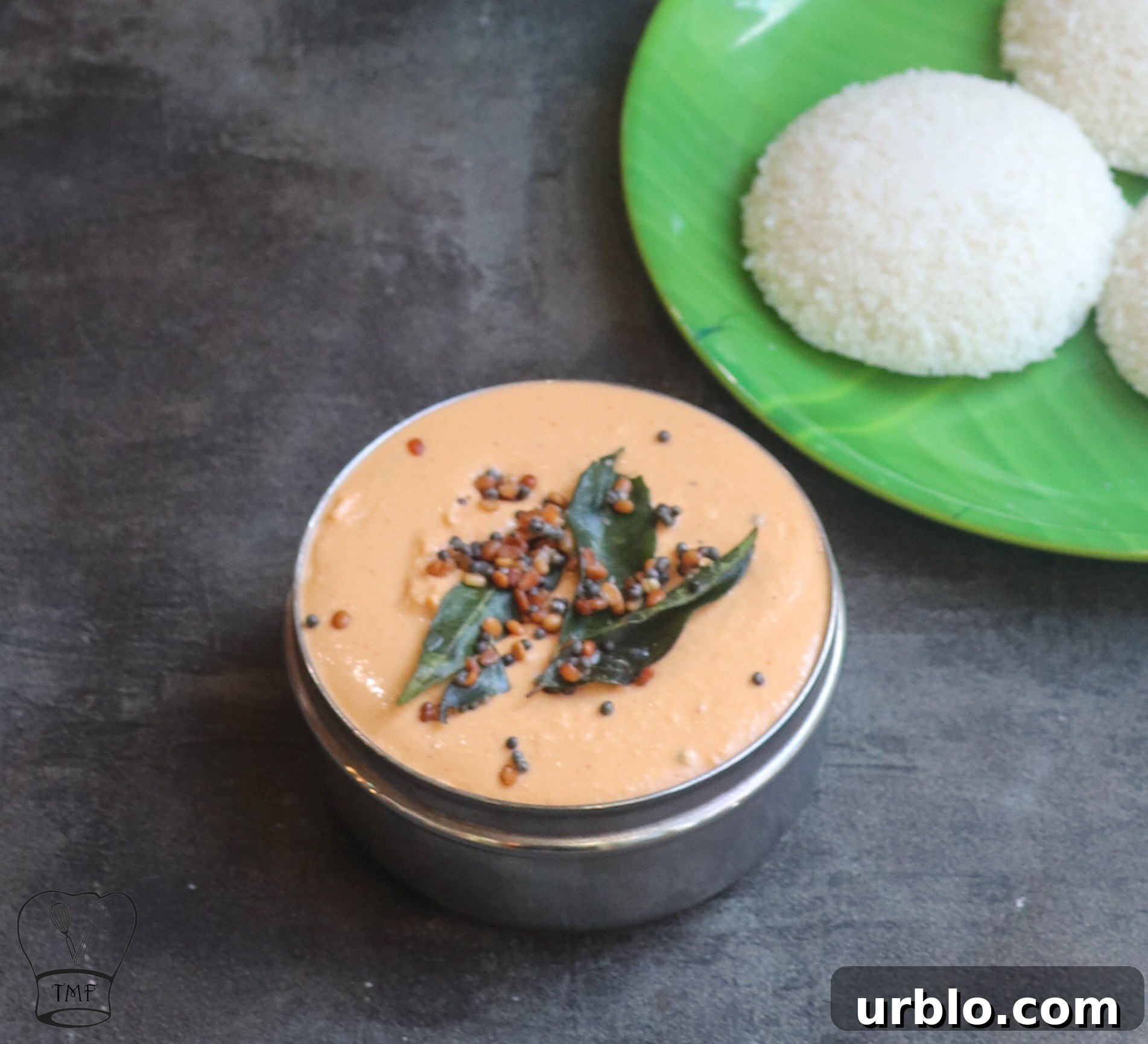
Andhra-style peanut chutney is usually spicy. To suit children or milder palates, reduce the number of red chilies. If unsure about chili heat, sauté two chilies but add only one during grinding; taste and add another if needed. The recipe here uses Byadgi chilies for color and mild heat.
Can I skip garlic?
Garlic is optional but adds a nice aroma and aids digestion. Use one clove if you prefer a subtle garlic note, or roast garlic with the chilies for a toasted flavor.
Shelf life
Peanut chutney with coconut will keep for 3–4 days in the refrigerator. Cool it quickly and store in a clean airtight container; always use a dry spoon. The chutney thickens when chilled—stir in a little water before serving to reach the desired consistency. Avoid leaving it at room temperature for long, as it may sour.
Variations
- For stronger peanut flavor, use peanut oil and reduce coconut.
- Sautéed onions can replace coconut for an Andhra-style chutney.
- Sauté 1 tbsp each of urad dal and channa dal for a nuttier, drier chutney (skip coconut).
- Add 1/2 tsp cumin seeds for extra aroma.
- Replace tamarind paste with sautéed tomato for tang.
- Curry leaves, coriander, or mint can be sautéed and added for freshness.
- If using green chilies, you can skip sautéing them.
- Ginger and asafoetida aid digestion; use them if skipping garlic.
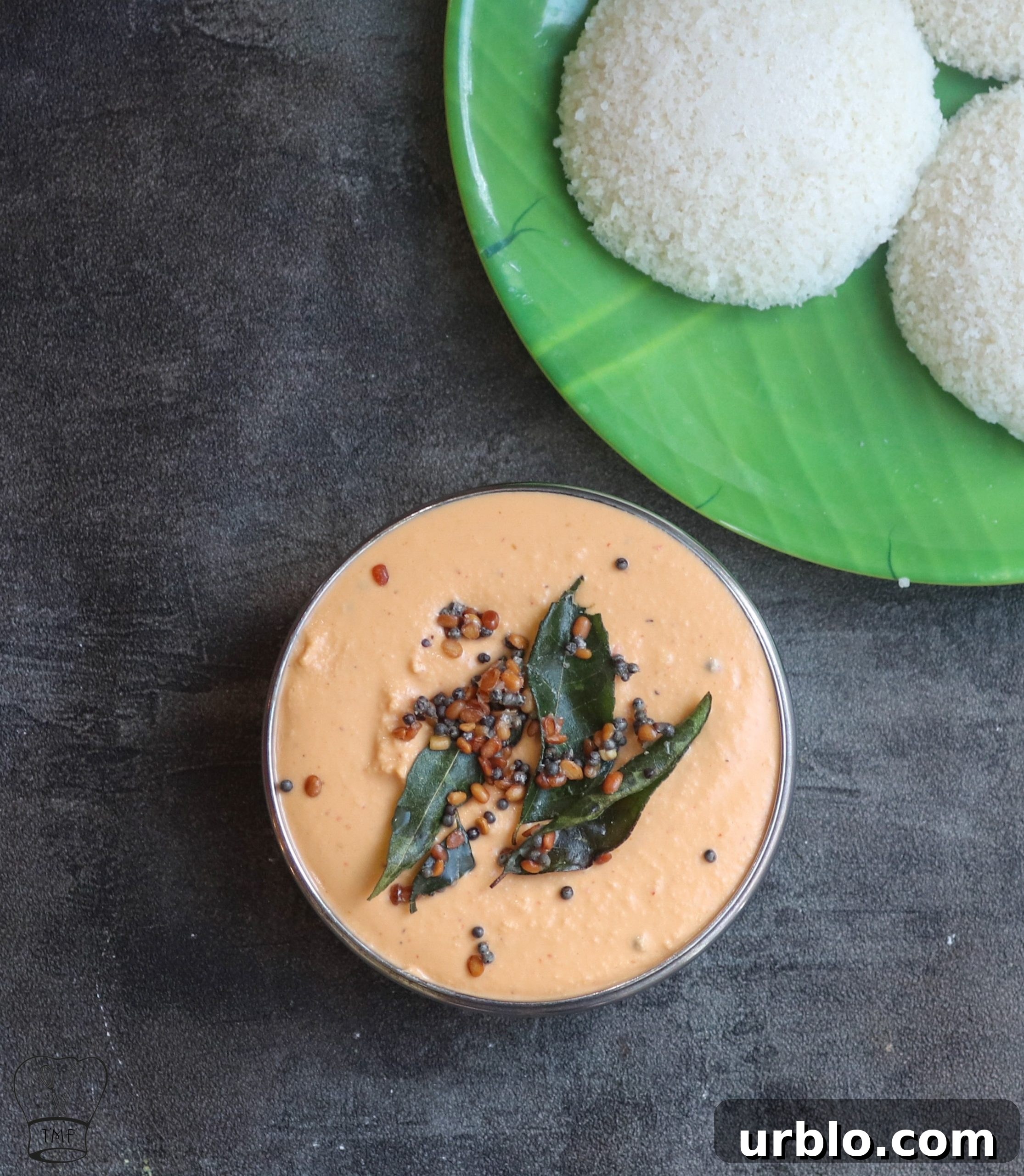
Ingredients
1 + 1/2 tsp coconut oil
1/2 tsp mustard seeds
1 tsp urad dal
Few curry leaves
2 garlic cloves, chopped
2 red chilies
1/8 tsp ginger
140 grams roasted peanuts
100 grams fresh coconut (or desiccated if preferred)
2 tbsp roasted gram (pottukadalai)
1/8 tsp tamarind paste (adjust to taste)
Salt as required
How to make groundnut chutney
- Add 1 tsp oil to a pan. When hot, add mustard seeds, urad dal and curry leaves. Let the mustard splutter and the dal turn golden brown.
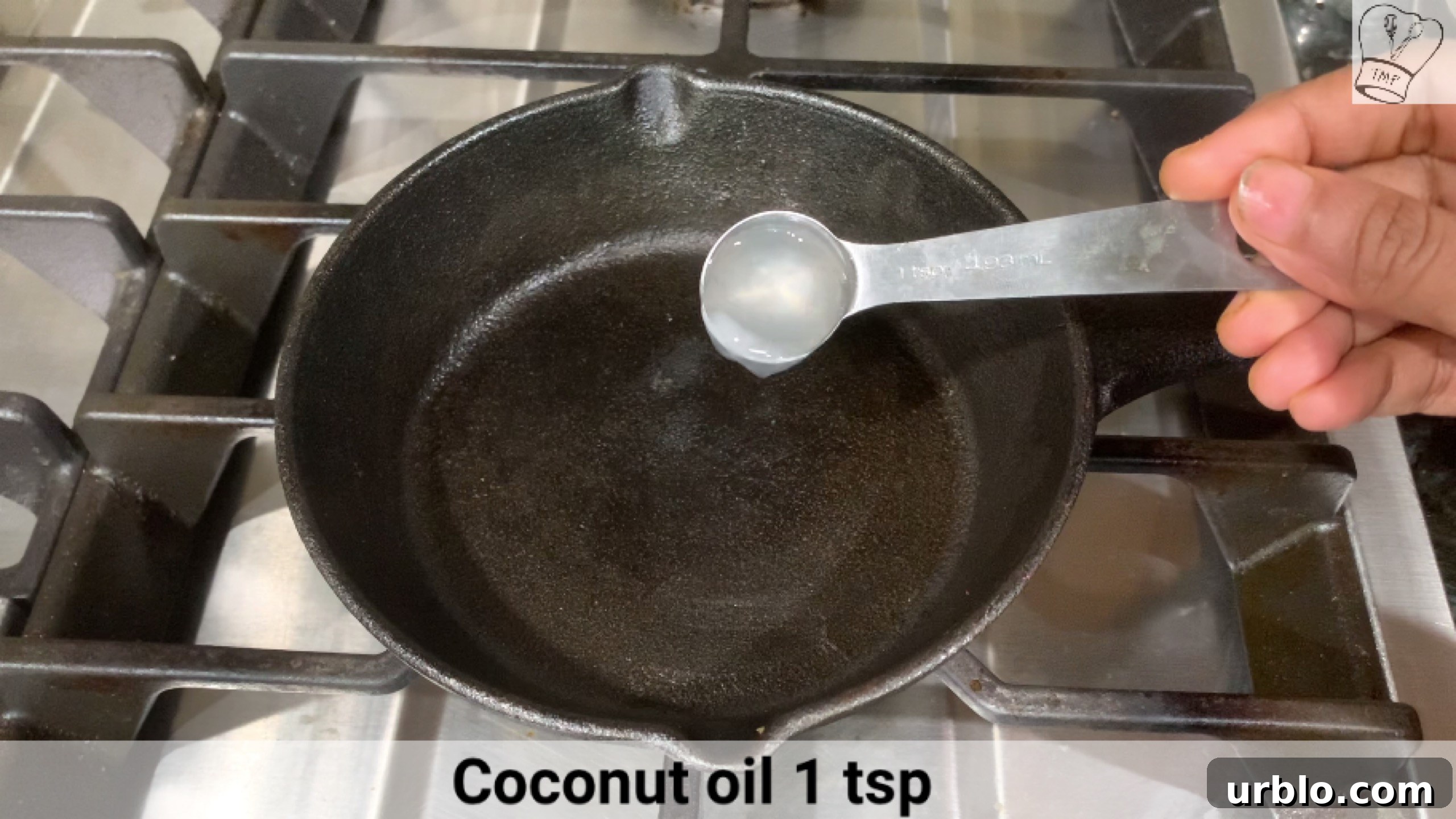
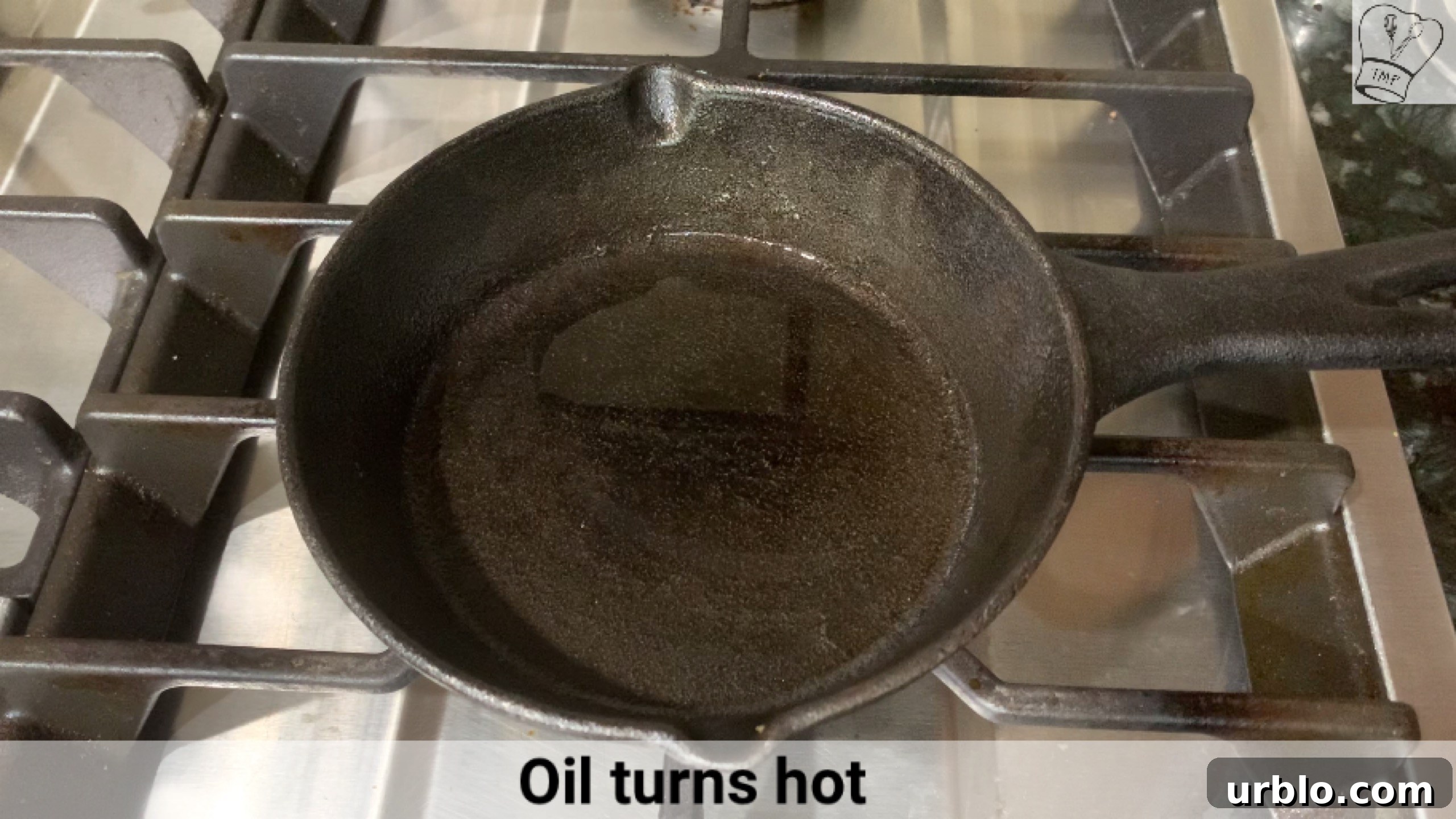
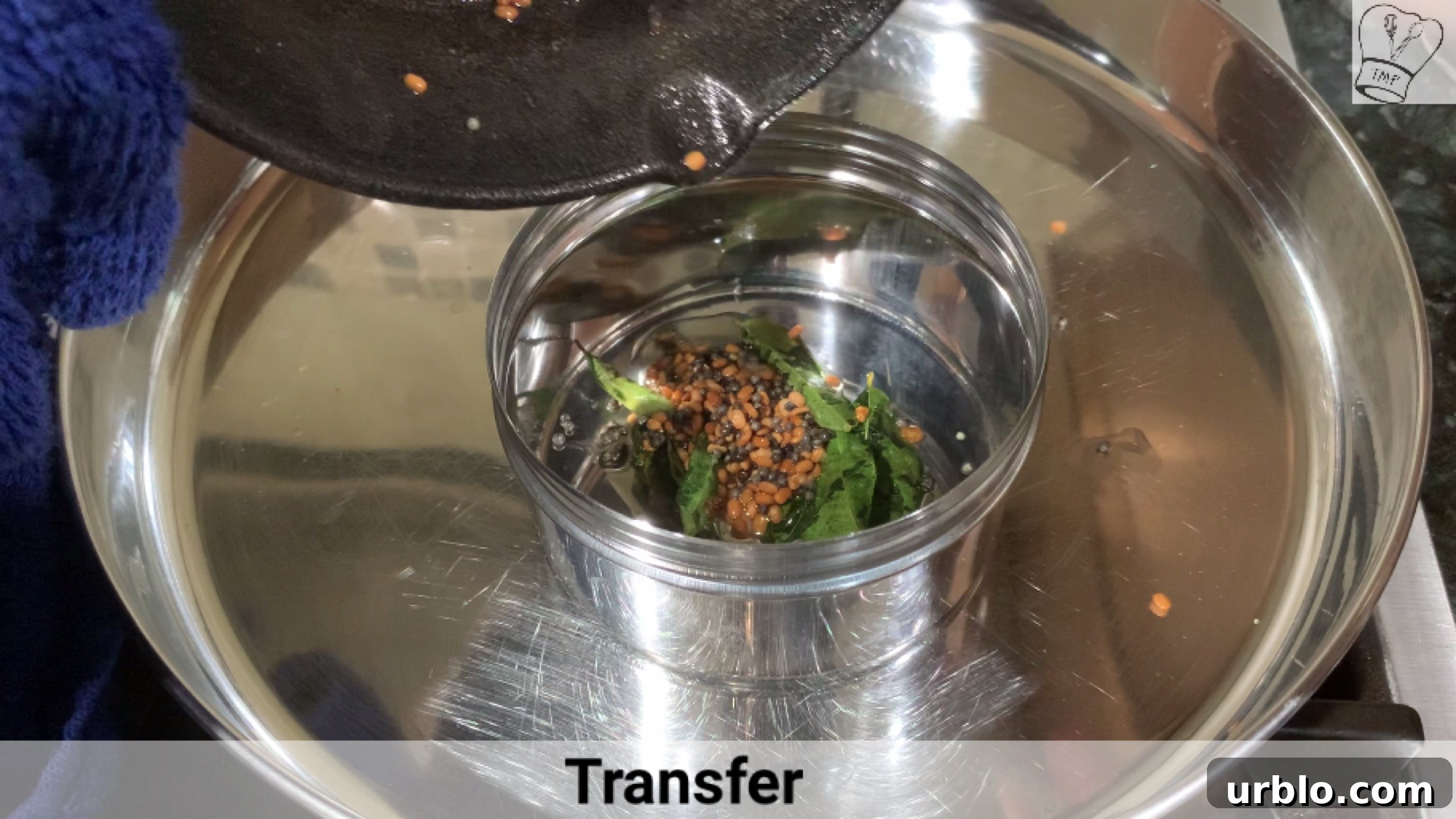
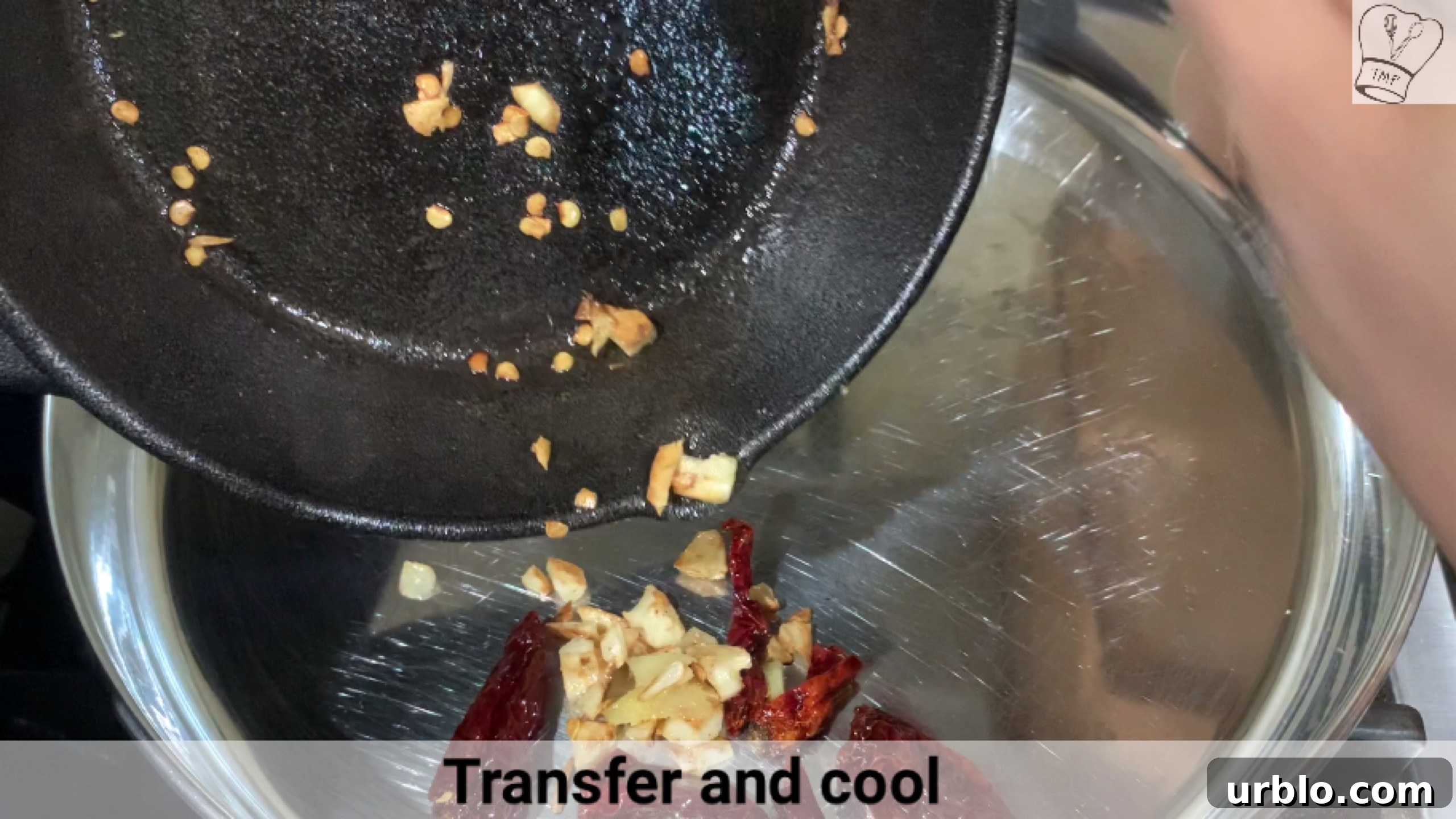
- Transfer the tempering to a plate. In the same pan add a little coconut oil; when warm, add chopped garlic and sauté until it starts to change color.
- Add red chilies and ginger; sauté until the garlic turns brown. Remove and let cool.
- Once cool, combine peanuts, coconut, roasted gram, salt and a little water in a blender. Grind to a smooth paste, adding water gradually to reach the desired consistency.
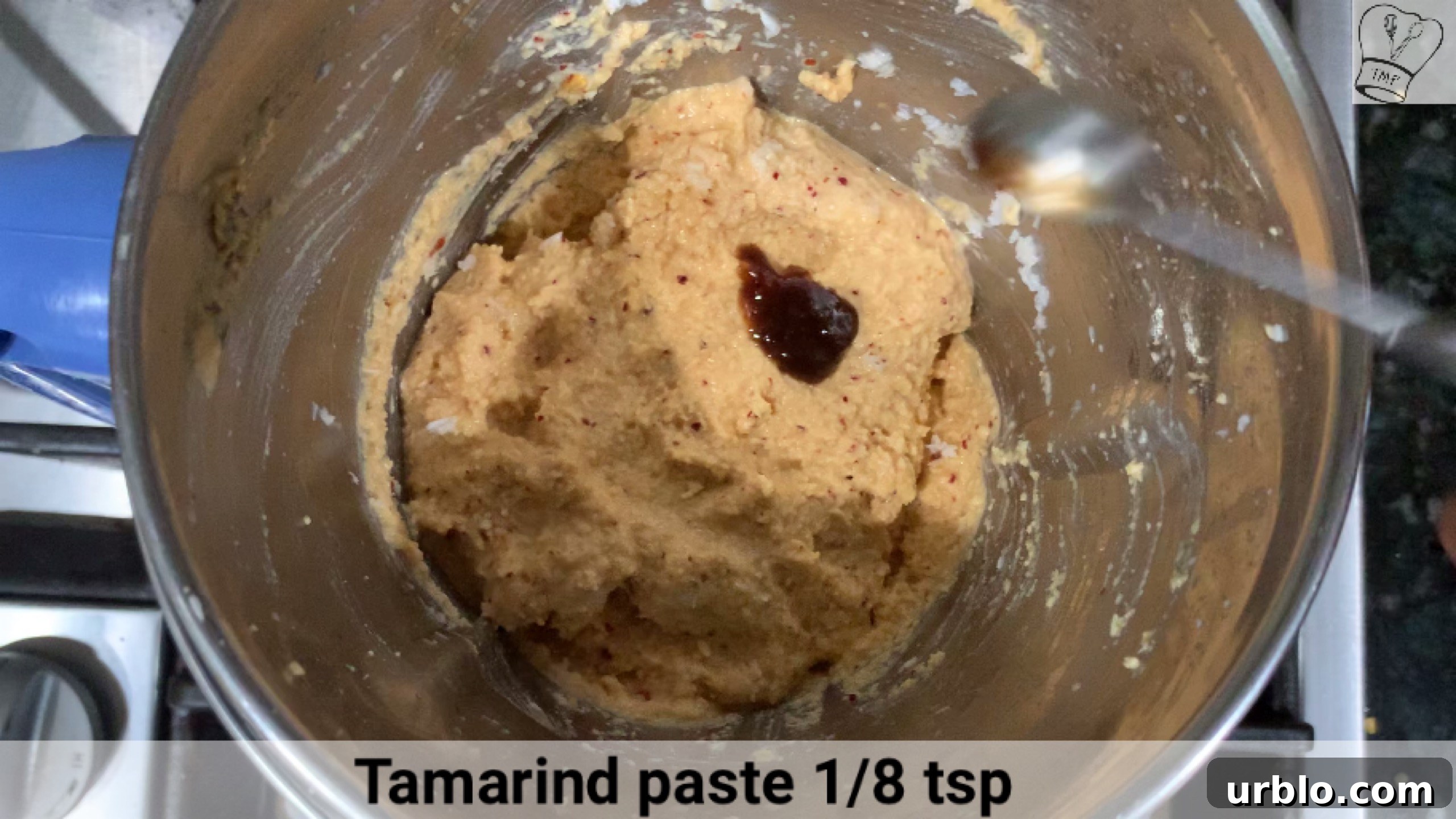
- Add tamarind paste and blend briefly to incorporate.
- Mix the ground chutney with the reserved tempering and serve.
Notes
- For a stronger peanut aroma use peanut oil and reduce coconut.
- You can dry roast raw peanuts on low heat for 4–5 minutes if not using pre-roasted nuts.
- Adjust added salt when using salted store-bought peanuts.
- Grind the chutney with little water, then add more if needed after blending.
- Use tamarind paste or a small piece of tamarind; adjust quantity based on sourness.
- Sautéed onions, or a mix of urad and channa dal, are alternative bases that change the chutney profile.
- Curry leaves, coriander or mint add freshness—sauté them briefly before grinding.
- If using green chilies, you may skip the sauté step for them.
- Ginger, asafoetida and garlic help digestion—use alternatives if skipping garlic.