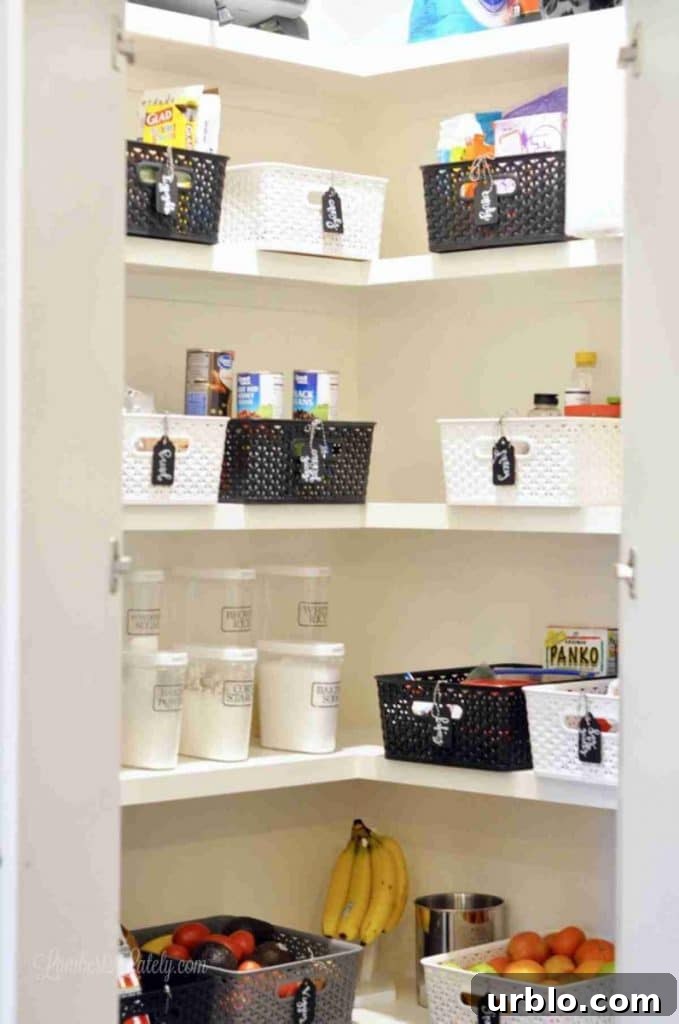
See practical steps for organizing a small pantry with open shelving. Get ideas for budget-friendly baskets, labeling food storage containers, and grouping pantry items for easy access.
Paid links used in this post. Read more about my link usage policies.
Welcome to a tour of our small but functional pantry. Below I’ll walk through the organization process, share tips for keeping clutter at bay, and explain why certain choices worked for our family.
Before this house, we rarely had a dedicated pantry. In previous homes food was stored in cabinets or a small closet. When planning this kitchen, creating an organized, functional pantry was a priority.

We blended the pantry into the cabinet flow so the doors disappear into the design. Five years later, we still love the streamlined look. That said, it didn’t stay neat on its own — it needed a proper setup.
Before the Makeover
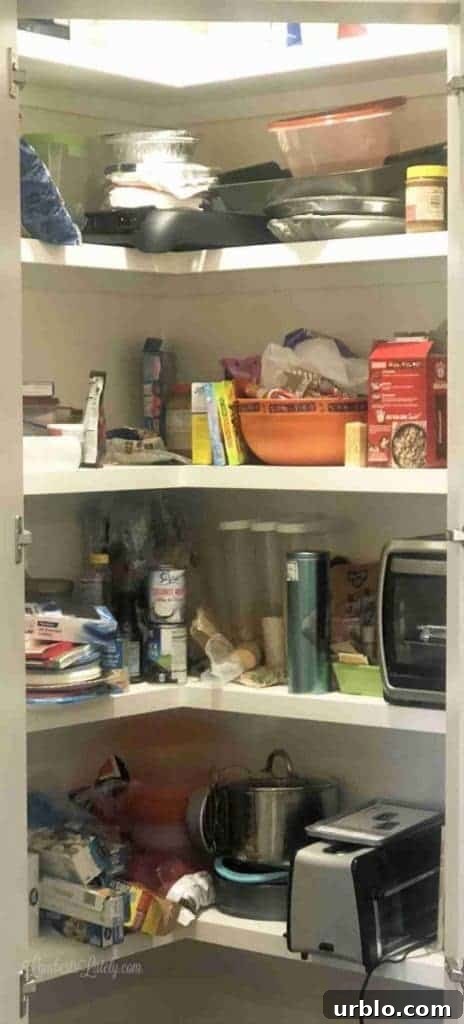
About six months after moving in the pantry was messy. I put off organizing until one weekend when I committed a few hours to tackle it properly.
Step by Step: How to Organize a Small Pantry
Set aside a few hours on a day when you can focus. Here’s the order that worked best for me.
Step 1: Empty the pantry and clean the shelves
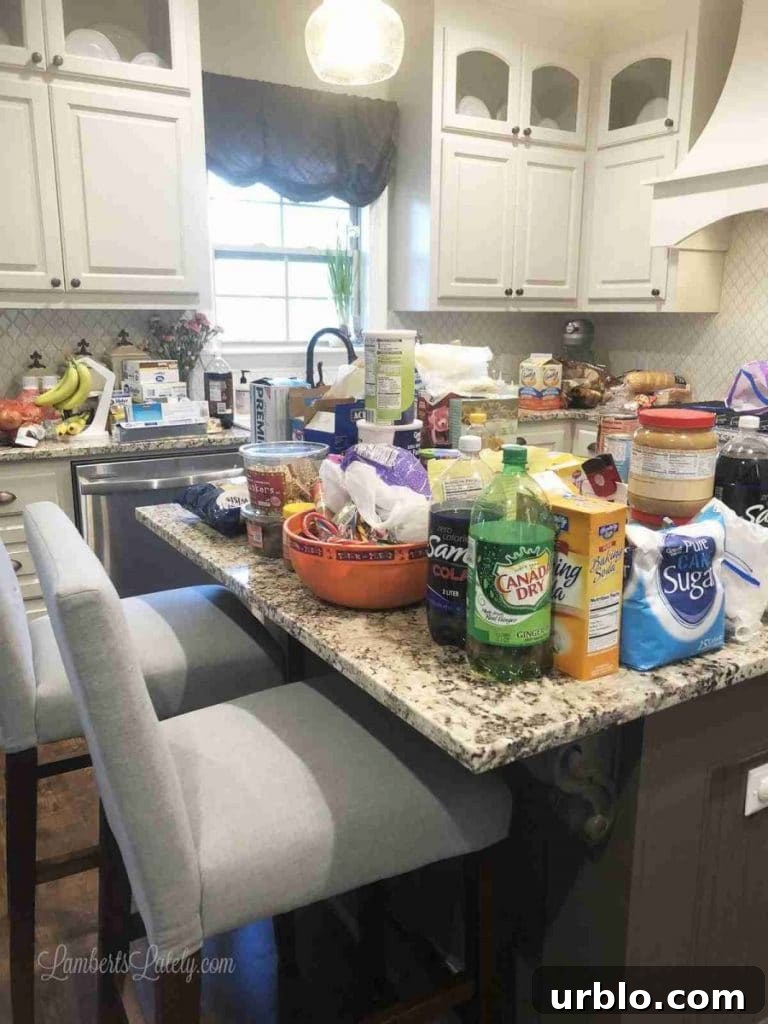
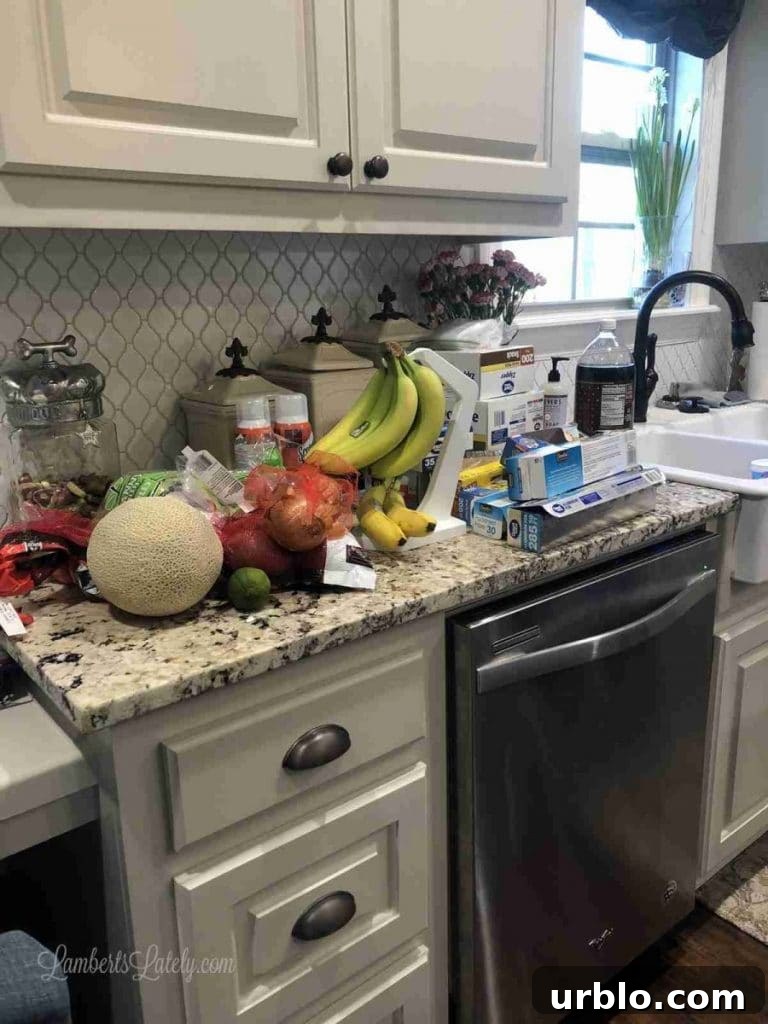
Take everything out and sort items into like groups. This reveals duplicates, expired goods, and the categories you actually need. Wipe down shelves and add shelf liner if you want a fresh surface before returning items.
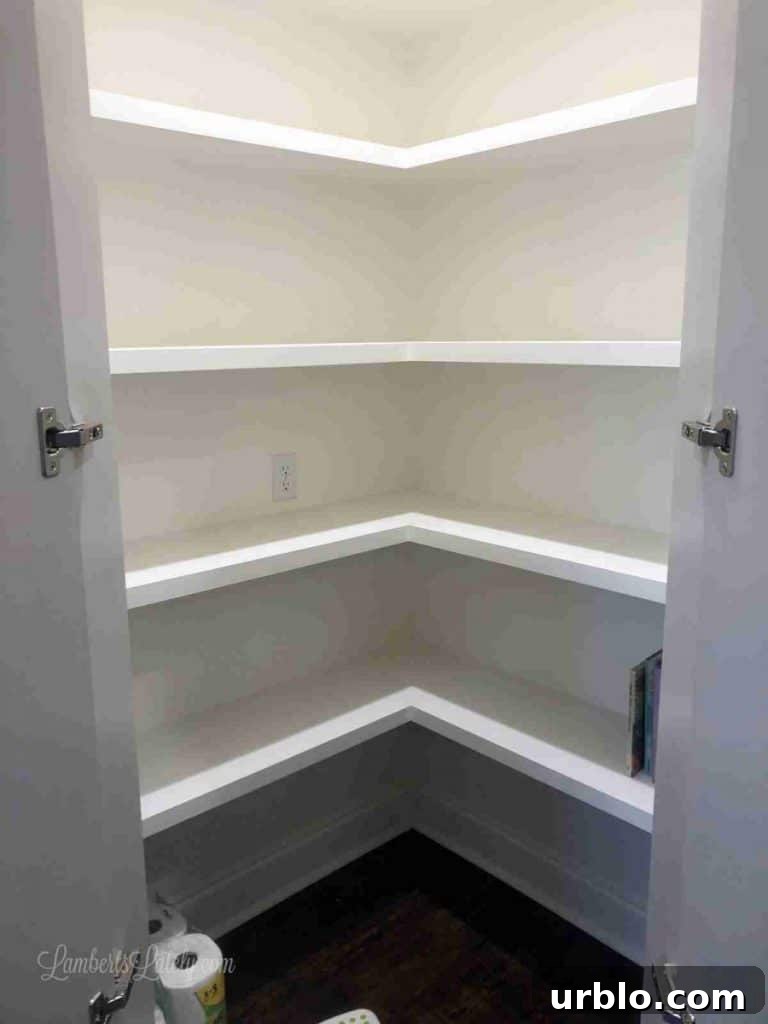
Step 2: Consolidate like items and discard expired or unnecessary goods
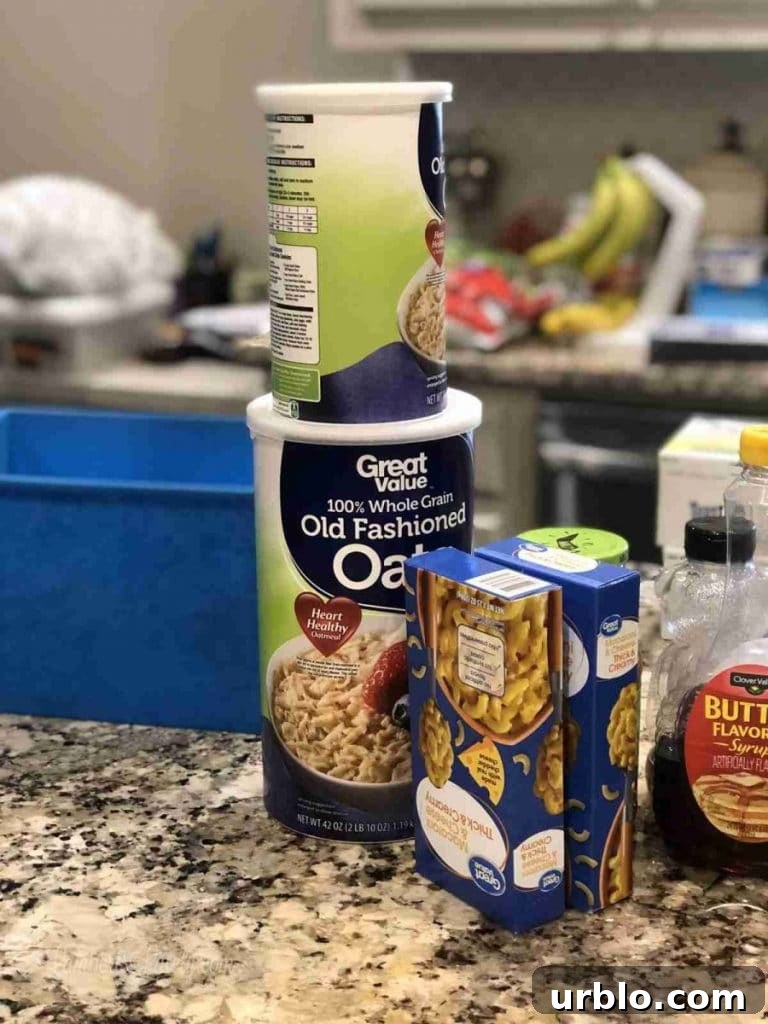
We found many duplicates and expired items. Consolidating containers and tossing outdated food freed up a surprising amount of space. If you transfer contents between containers, always keep the oldest expiration date or update the label to avoid confusion.
We also donated unused appliances. I keep an appliance locker in our cabinets; if something didn’t fit and hadn’t been used in six months, we donated it. That cleared several shelves.
Once sorted and pared down, it was time to choose storage containers and put everything back thoughtfully.
Step 3: Use containers to divide and define categories
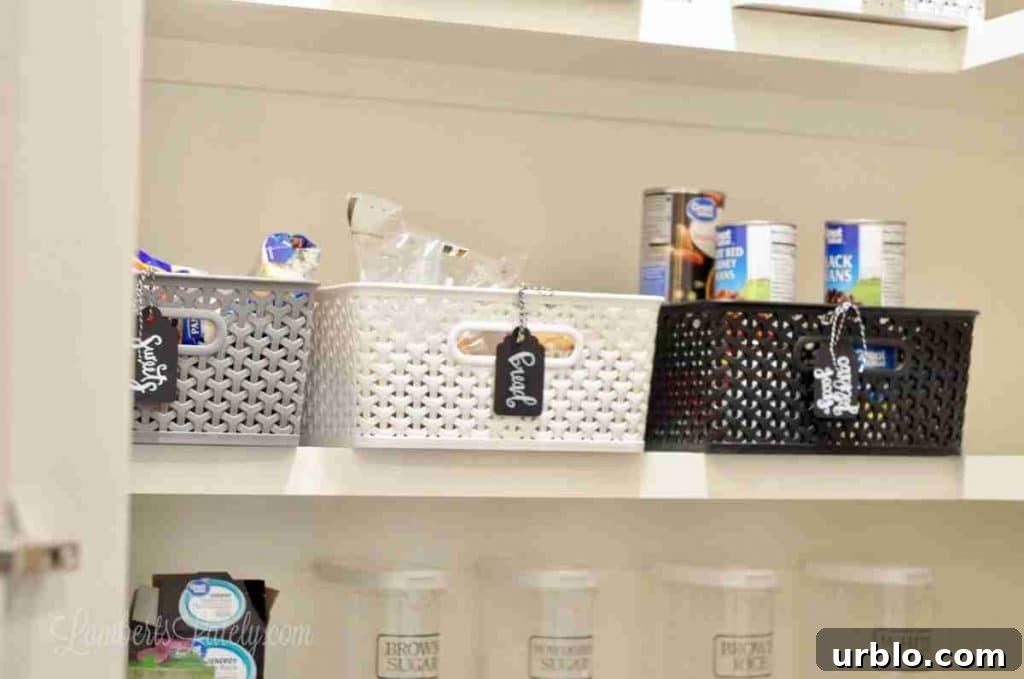
Containers make open shelving feel organized and intentional. Wicker looked appealing but was pricey and harder to clean, so I hunted for affordable, wipeable alternatives with a woven look.
After trying a few options, I landed on plastic storage bins with a woven appearance. They’re durable, easy to clean, and fit our shelf depth well. We’ve used them for five years with no issues.
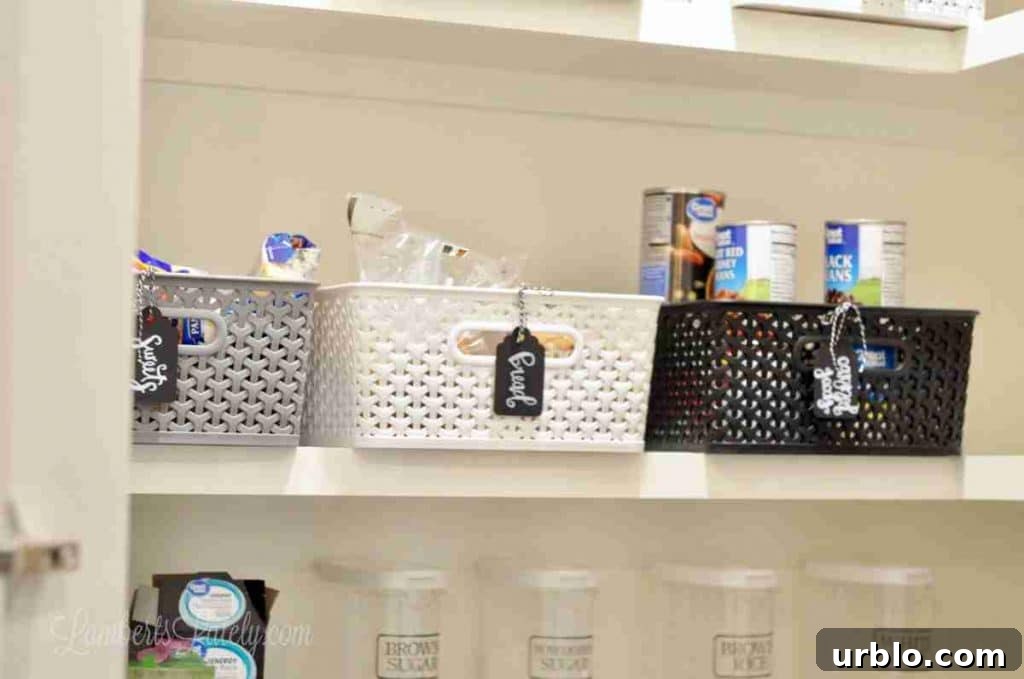
For frequently used dry ingredients we chose clear canisters. They keep staples fresh and make it easy to see when to refill.
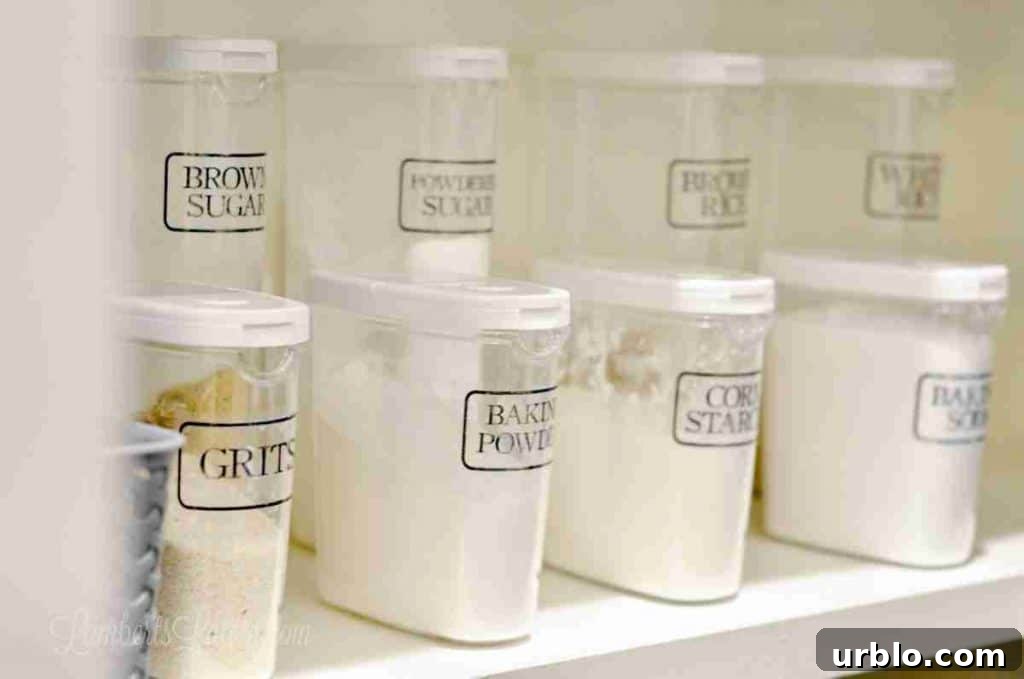
Contents we store in clear canisters
- Brown sugar
- Powdered sugar
- Brown rice
- White rice
- Baking powder
- Baking soda
- Pancake mix
- Grits
- Cornstarch
How we categorized the storage bins
- Snacks (small bags, granola bars)
- Large bags of chips and snacks
- Vegetables
- Fruit
- Ziploc bags / disposable cutlery and plates
- Dry goods (pasta, rice, beans, oatmeal)
- Baking supplies (flour, sprinkles, chocolate chips)
- Drinks (coffee, drink mixes)
- Bottled and jarred sauces
- Canned goods
- Bread
- Sweets
- Candy (two bins)
Our pantry ended up requiring about 16 bins and nine canisters. Your needs may differ, so sort items into categories before purchasing containers to determine the right quantities and sizes.
Step 4: Sort for success
After filling containers, place them on shelves with intention. I sorted bins by use and visibility to encourage healthier choices and convenience.
Bottom Shelf
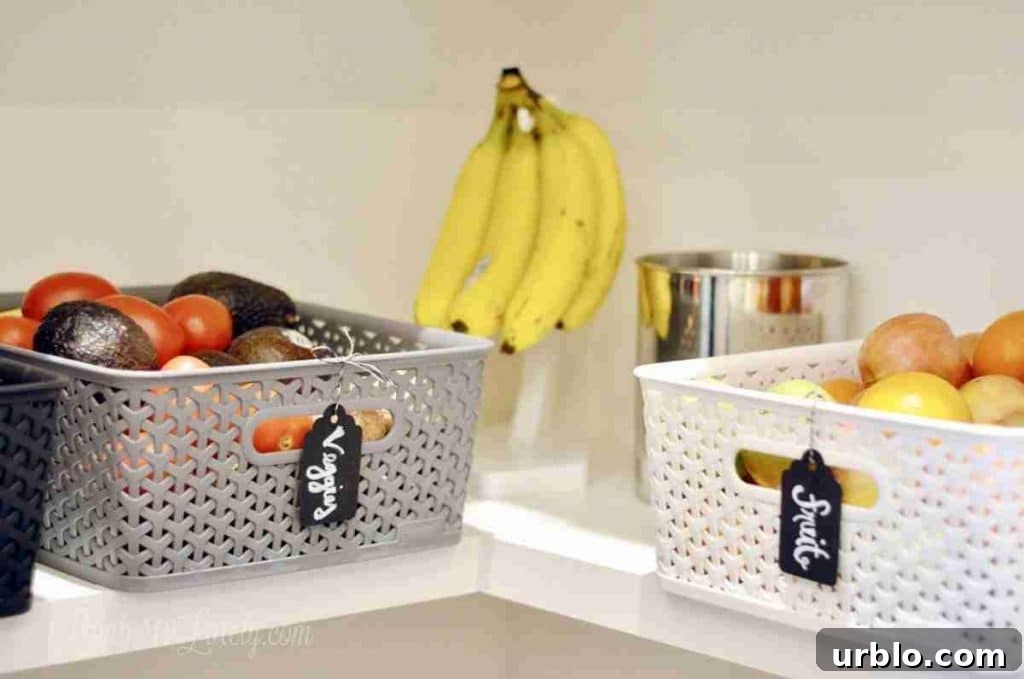
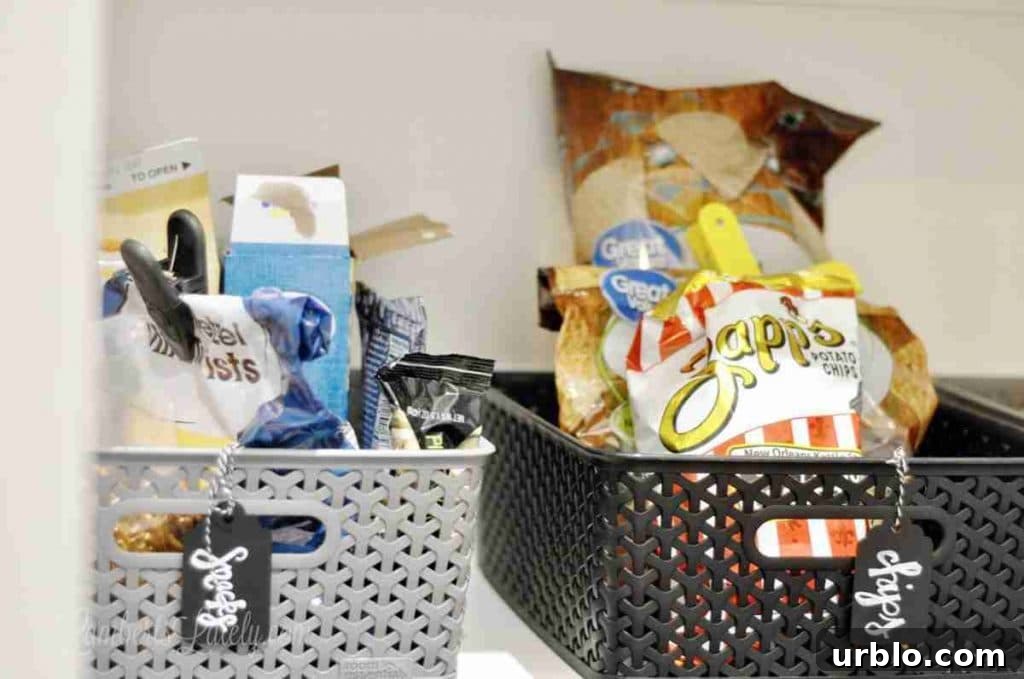
We placed snacks, fruit, and veggies at the lowest reachable level so kids can grab healthy options. Before organizing, sweets were visible and too easy to grab. After reordering, the kids choose fruit more often.
Tip: store onions separately (they speed up spoilage of other produce). We keep a stainless steel bin for onions in a bottom corner.
Second Shelf
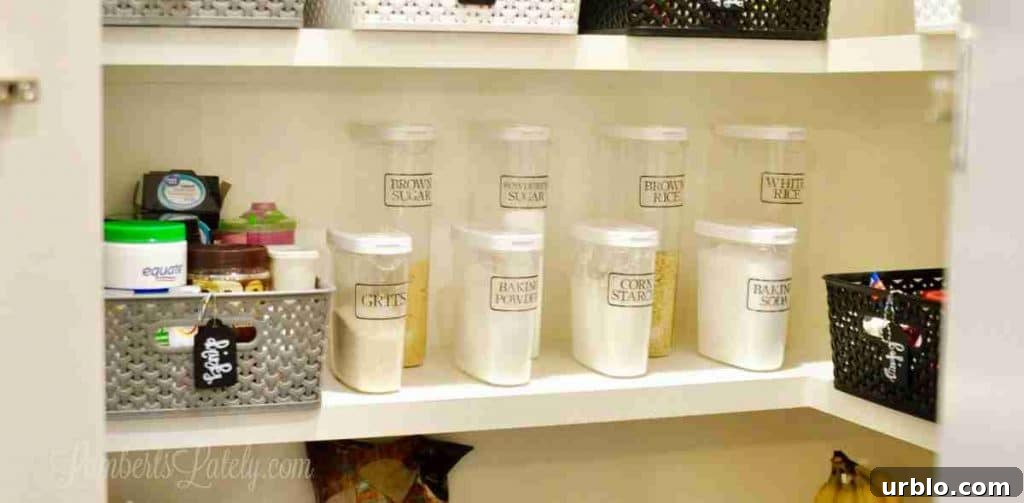
The second shelf holds frequently used items like drink mixes, baking supplies, and sandwich bags.
Third Shelf
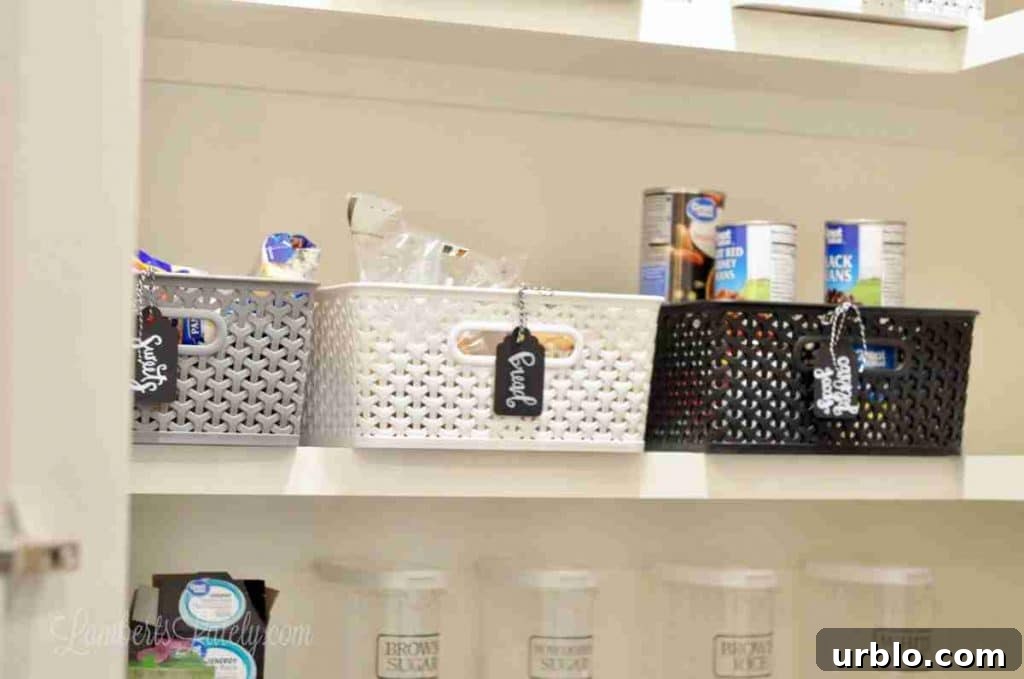
The third shelf stores sweets, bread, canned goods, bottled sauces, and larger boxes such as cereal and crackers.
Fourth Shelf
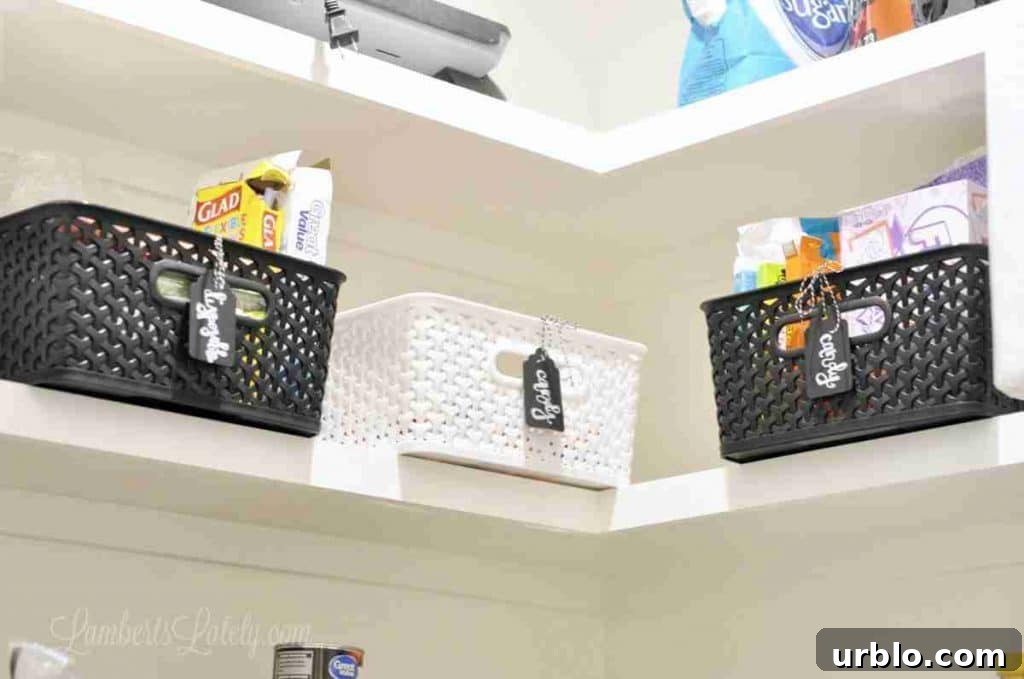
The top usable shelf holds items we use less often, like candy and disposable plates. Keeping treats out of immediate sight reduces impulse grabbing.
Top shelf (not pictured) stores rarely used appliances, seasonal cookie cutters, and overflow unopened packages.
Step 5: Use vertical storage
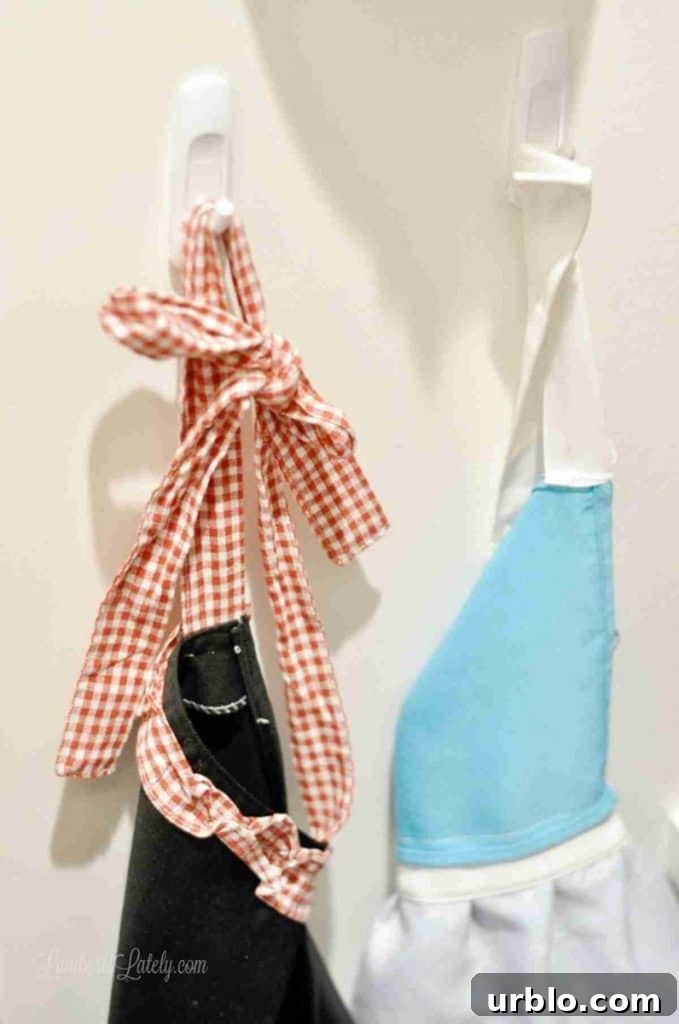
Vertical wall space beside the pantry is great for narrow storage. I added a bag dispenser for plastic grocery bags and hooks for aprons so items are accessible without taking shelf space.
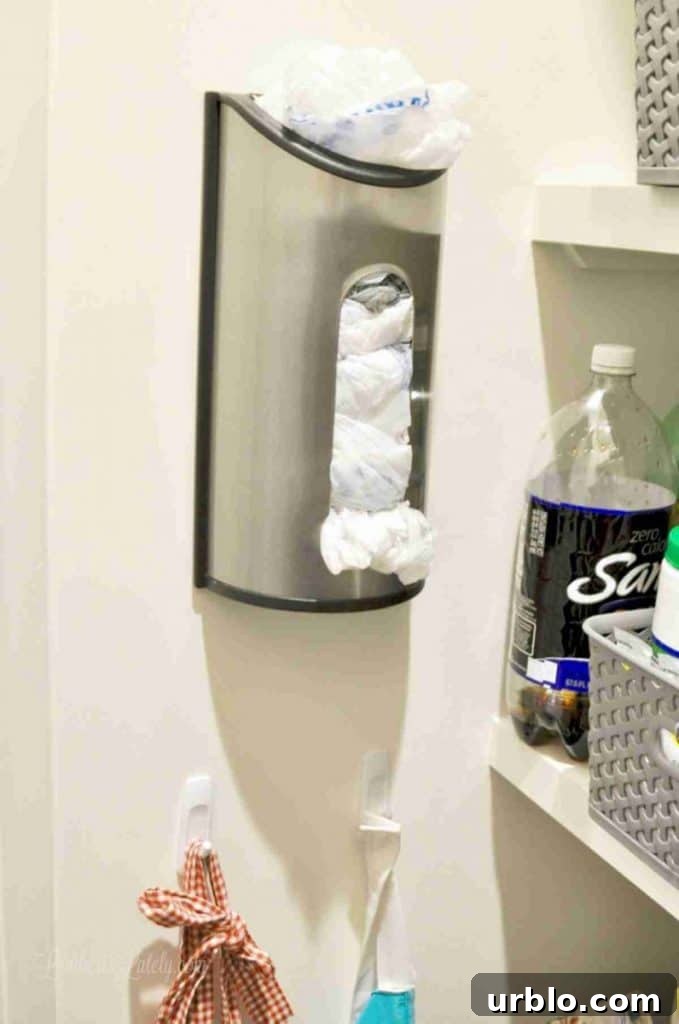
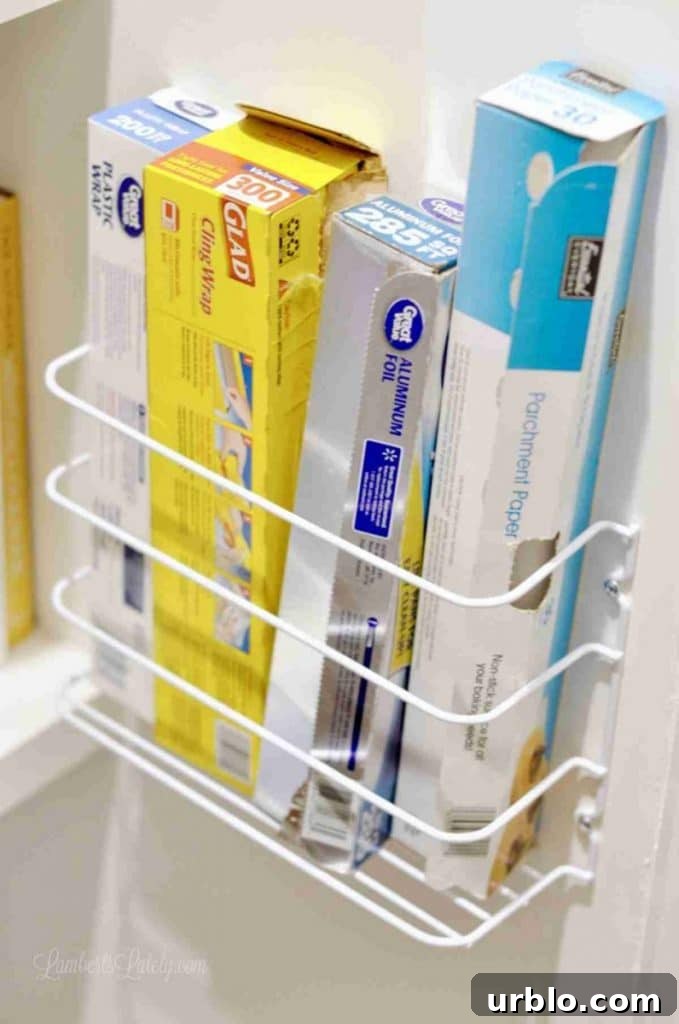
A mounted wrap and foil holder keeps those boxes from tumbling around, and it frees up shelf and drawer space.
Step 6: Make it personal
Labeling and small decorative touches make the pantry feel intentional. I used chalkboard tags and a wet-erase pen for a handmade look, and clear bin labels on canisters for consistency.
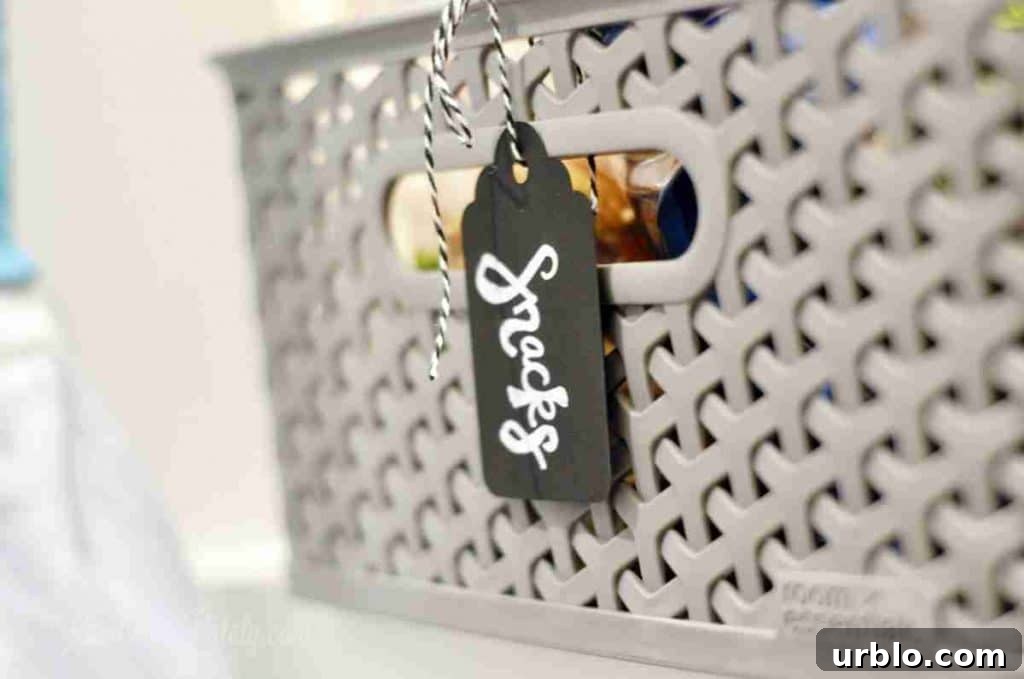
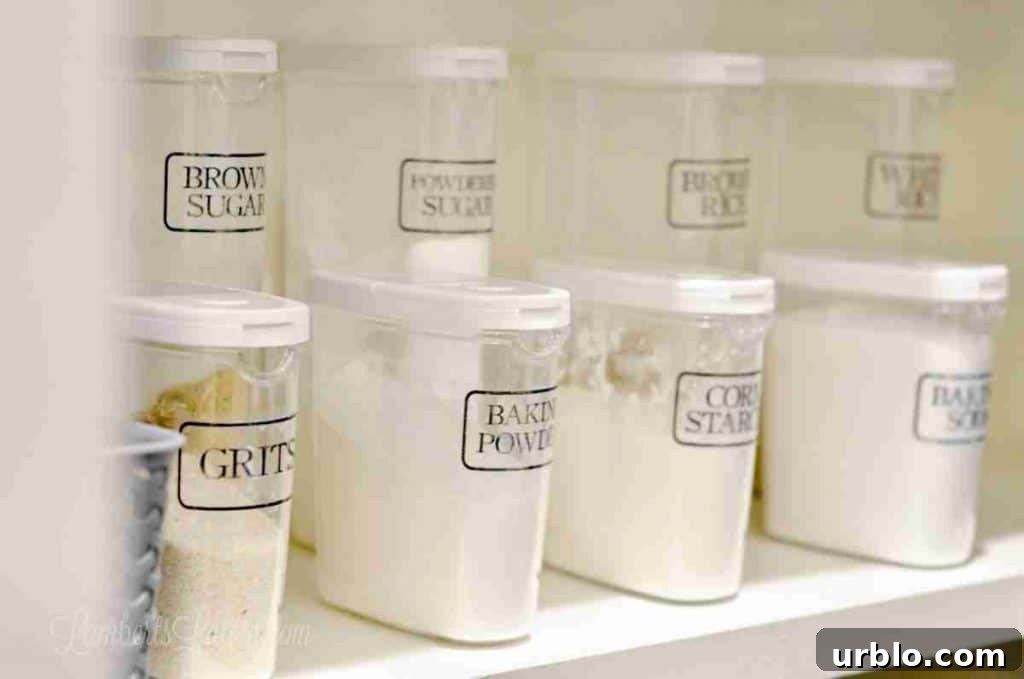
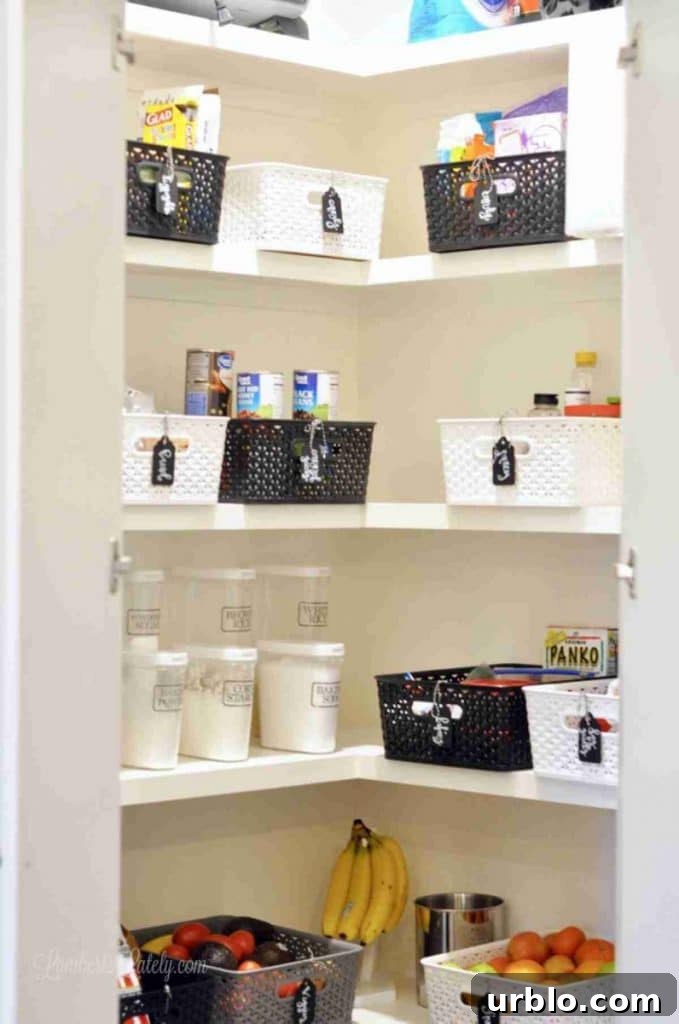
We’re very happy with how the pantry turned out. The system has stayed effective for years because it makes needs obvious at a glance and encourages everyone in the household to return items to their proper place.
Maintenance
Maintenance keeps the system working. I built pantry checks into my weekly cleaning routine: spend five minutes to remove expired items and straighten bins. Regular small efforts prevent the need for major overhauls.
Training household members to return items to their assigned bins is important. The key to a tidy pantry is maintaining the organization, not just creating it.
FAQs
Deep shelves can be optimized with solutions like lazy susans for hard-to-reach corners, pull-out drawers, or shelf risers to stack and access items easily.
We keep spices in a dedicated spice drawer in our cabinets near the stove rather than in the pantry. A drawer or a mounted rack can be more convenient for cooking.
Start by emptying the pantry, discarding expired items, and consolidating like goods. Then group items by category (snacks, baking, dry goods, canned items, etc.) and assign a container or shelf to each group.
I hope these tips help you organize your small pantry. A few intentional choices and regular upkeep will keep it functional and tidy.
More Home Organization Projects
- Board Game Storage
- Organizing a Craft Room
- Organizing a Small Playroom