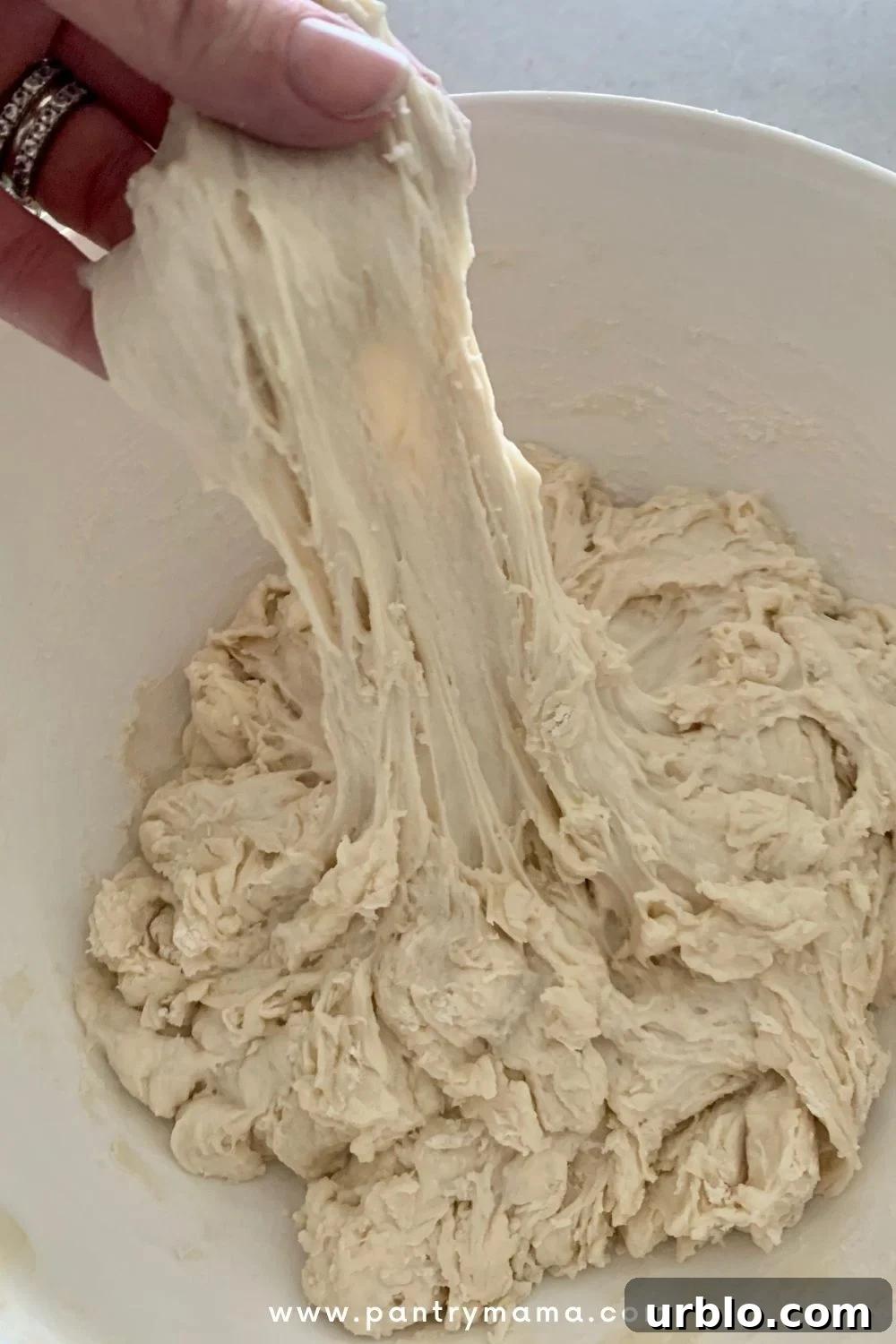
Have you wondered about the difference between autolyse and fermentolyse, and which method to use when making sourdough bread?
This article explains both processes, their benefits, and when to choose one over the other so you can bake better sourdough with confidence.
What Is Autolyse?
Autolyse (pronounced “auto-leze”) is the simple but powerful step of mixing flour with water and letting it rest. That short rest initiates important reactions in the flour that improve dough performance.
During autolyse the flour fully hydrates, which makes the dough smoother and more elastic. Enzymes in the flour—principally protease and amylase—become active and contribute to gluten development and starch breakdown, improving texture and handling.
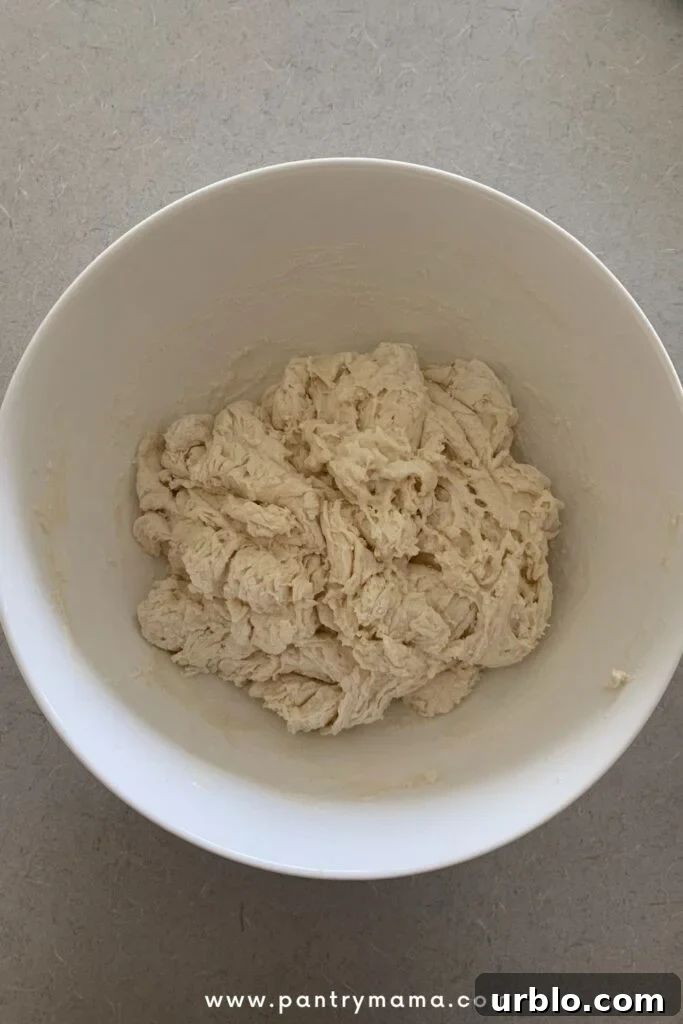
What Is Fermentolyse?
Fermentolyse (pronounced “ferment-o-leze”) is an autolyse in which you add sourdough starter—often with salt—at the very beginning. Because starter is present, fermentation begins during the rest.
Some bakers prefer fermentolyse because it avoids the risk of forgetting to add starter or salt later. Since fermentation has already started, your subsequent bulk fermentation timing will be affected, which you should factor into your schedule.
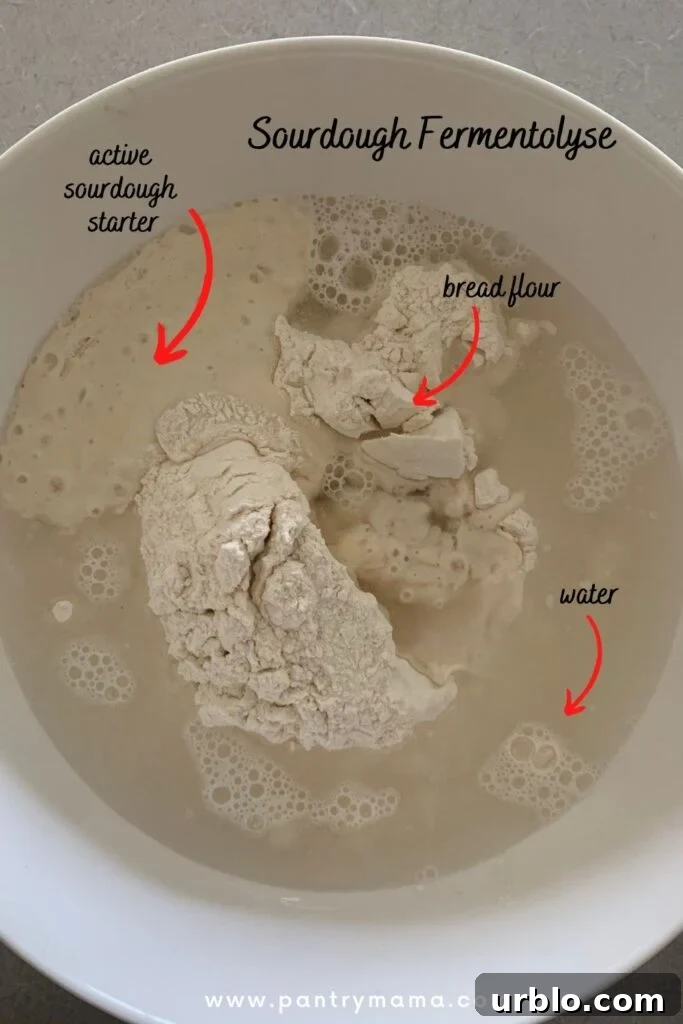
In short: fermentolyse is an autolyse that includes starter (and optionally salt) from the start.
Benefits of Sourdough Autolyse
Why spend time on autolyse? The rest period produces measurable benefits for dough and finished loaves. Many of these advantages apply equally to fermentolyse.
- Allows use of more whole grains by improving hydration
- Enables higher hydration doughs
- Produces a smoother, more elastic dough
- Builds a stronger gluten network
- Reduces kneading time
- Makes stretching and folding easier
- Can improve oven spring
- Helps create a more open crumb
- Contributes to a deeper, darker crust
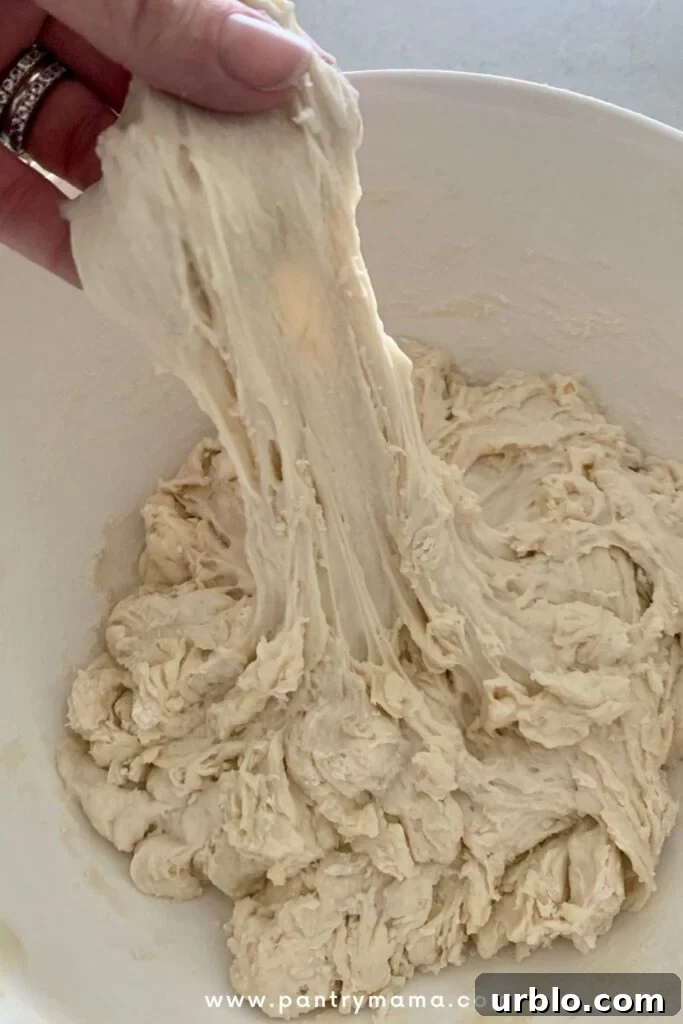
Do You Need Autolyse To Bake Good Sourdough Bread?
It depends on your goals and the flour you use. For many bakers, a short autolyse or fermentolyse of 10–15 minutes with bread flour is enough to produce an excellent loaf.
Whole wheat or other whole grain flours benefit more noticeably from a longer autolyse because they take longer to absorb water. Allowing adequate hydration rewards you with better dough handling and improved final bread quality.
Can You Autolyse For Too Long?
Yes. For bread flour, around one hour is typically sufficient. For whole grain flours, one to five hours is appropriate. Extending autolyse beyond these ranges usually offers no benefit and can cause problems, such as excessively sticky dough that is difficult to shape.
Can You Autolyse In The Fridge Overnight?
No—overnight autolyse is unnecessary and not recommended. If you want to use overnight time, use it for bulk fermentation (either room temperature followed by cold retard or directly a cold bulk ferment) rather than extending the autolyse. That approach fits sourdough into daily schedules while producing desirable flavor and structure.
Can You Autolyse With Butter, Milk or Oil?
Milk is fine as the hydrating liquid, though keep the autolyse shorter (up to an hour) and watch temperature since milk can sour at warm temperatures. Avoid adding butter or oil during autolyse because fats can hinder hydration; add them after the autolyse is complete.
Do You Have To Use Water?
Autolyse requires a water-based liquid. You can substitute coffee, tea, beer, whey, or fruit juice if you want to experiment with flavor—these liquids still hydrate the flour and will work in place of water.
Which Flours Need A Long Autolyse?
Whole grain and whole wheat flours typically require a longer autolyse—anywhere from one to five hours. Freshly milled flour especially needs extra time for water to penetrate the grains. Flours that benefit most from longer autolyse times include:
- Whole wheat flour
- Sprouted whole wheat flour
- White whole wheat flour
- Rye flour
- Einkorn flour
- Freshly milled grains
Spelt behaves more like bread flour and usually does not need an extended autolyse.
Does Salt Affect Sourdough Autolyse?
Adding salt during autolyse or fermentolyse is fine and can be more convenient. Salt dissolves easily when mixed with the water and helps strengthen the gluten network. Adding salt later requires more effort to distribute it evenly and increases the chance you might forget it altogether.
Autolyse vs Fermentolyse – Which Is Better?
There’s no clear winner in terms of the final bread: both methods offer the same core benefits. Choose based on convenience and workflow. If you want to simplify the process and avoid forgetting starter or salt, adopt fermentolyse. If you prefer to control when fermentation starts, keep starter out of the initial autolyse.
Further Reading
If this comparison was helpful, you might also be interested in exploring bulk ferment versus cold ferment, the role of salt in sourdough, or how to know when your starter is ready for baking.