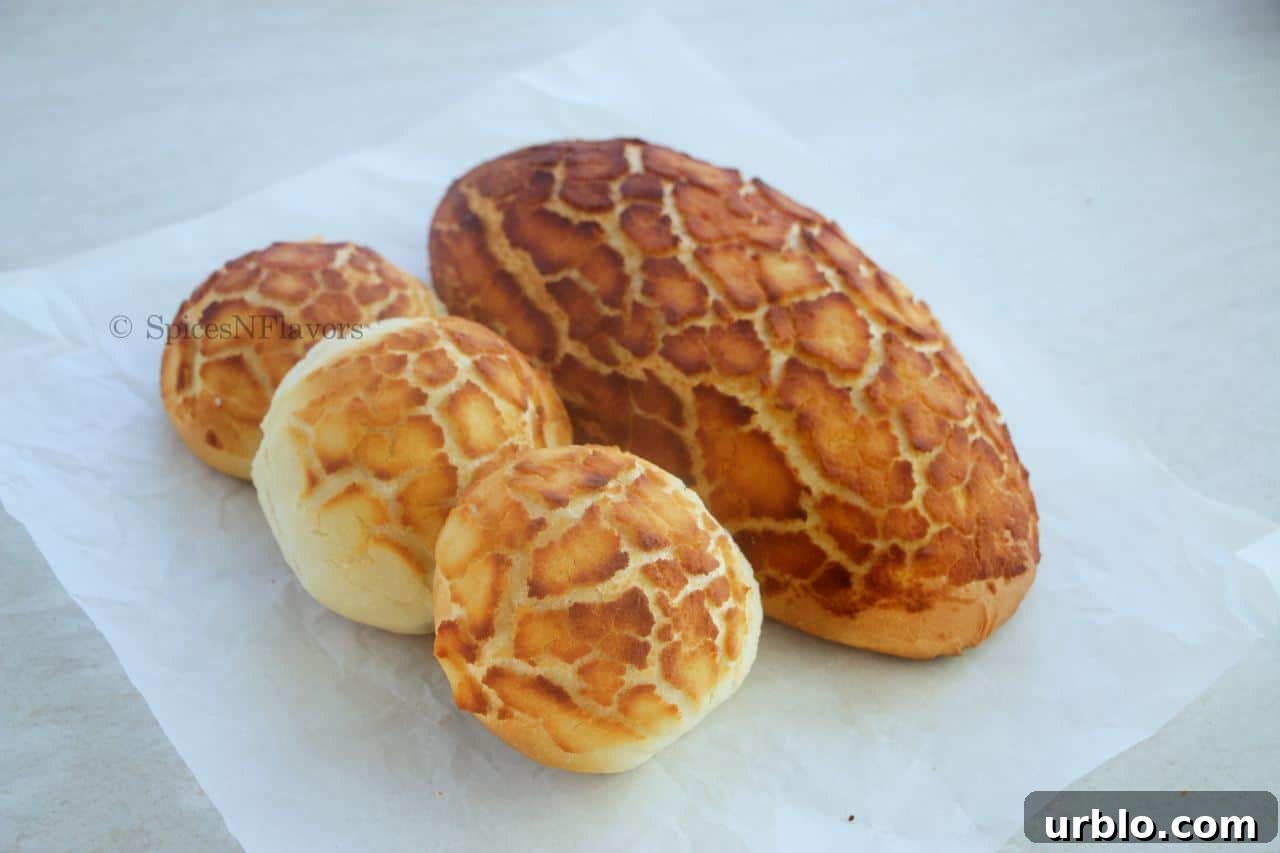
Characterized by a mottled, crunchy crust and soft, fluffy interior with a subtle sweet note, this Tiger Bread (Dutch crunch) is hard to resist. Below is a clear, step-by-step guide to making both loaves and rolls, written for beginners and experienced bakers alike.
What is Tiger Bread?
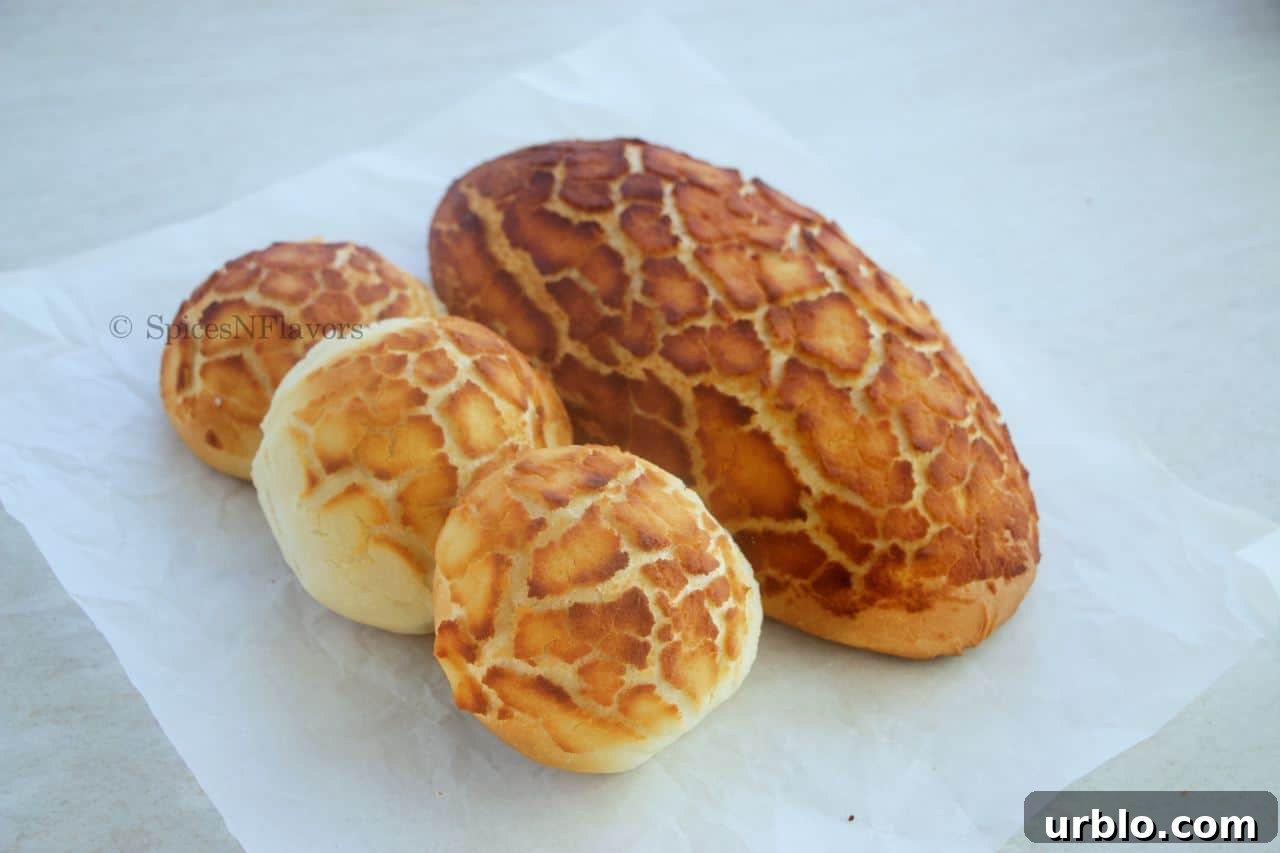
Originating in the Netherlands and known there as tijgerbrood or tijgerbol, Tiger Bread is a soft white bloomer with a distinctive cracked pattern on the crust. That pattern — and much of the bread’s appeal — comes from a rice-flour-based paste spread on top of the dough prior to baking. The paste dries and cracks in the oven, producing the crunchy, patterned crust and its unique flavor.
Why it works
This recipe is flexible: you can bake free-form bloomer loaves or shape smaller rolls without any special pans. The key is the rice flour paste: because rice flour contains no gluten it doesn’t stretch as the underlying bread expands, so the paste dries, cracks and crisps to create the classic Dutch crunch effect.
Why use rice flour for the topping?
The topping is a simple paste of rice flour, sesame oil, yeast, sugar and salt. Rice flour’s lack of gluten prevents it from expanding with the bread. As the loaf rises in the heat of the oven the paste cracks and crisps, producing the signature mottled surface.
Ingredients
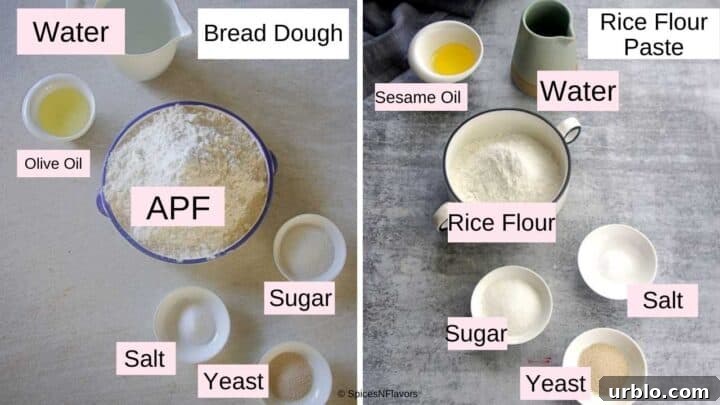
Notes:
- Yeast: Instant dry yeast is convenient because it doesn’t require prior activation. If you use active dry yeast, dissolve it in warm water with a pinch of sugar first.
- Rice flour: Use finely milled rice flour rather than coarser ground rice so the paste is smooth.
- Sesame oil: Adds flavor to the paste; substitute neutral vegetable oil if needed.
Step-by-step Instructions
Step 1: Prepare the bread dough
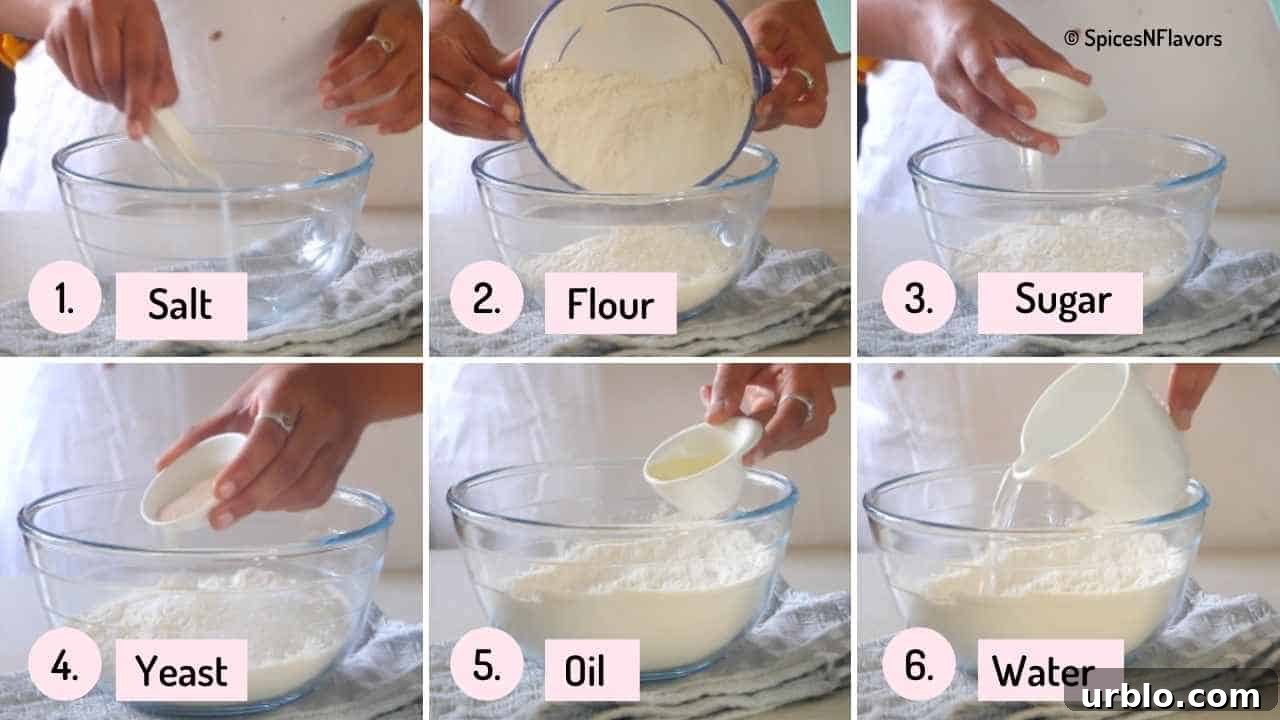
In a mixing bowl combine salt, flour, sugar and yeast. Mix briefly, then add oil and water and bring to a rough dough. Transfer to a lightly floured surface and knead until smooth, elastic and slightly tacky.
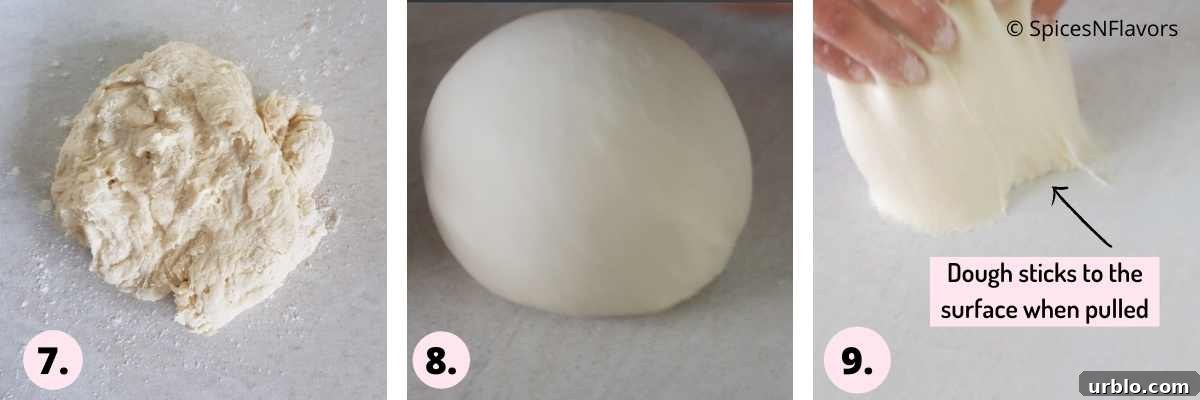
Tip: Knead 15–18 minutes by hand, or about 8 minutes in a stand mixer on medium-high. The dough is ready when it springs back slowly when pressed.
Step 2: First proofing
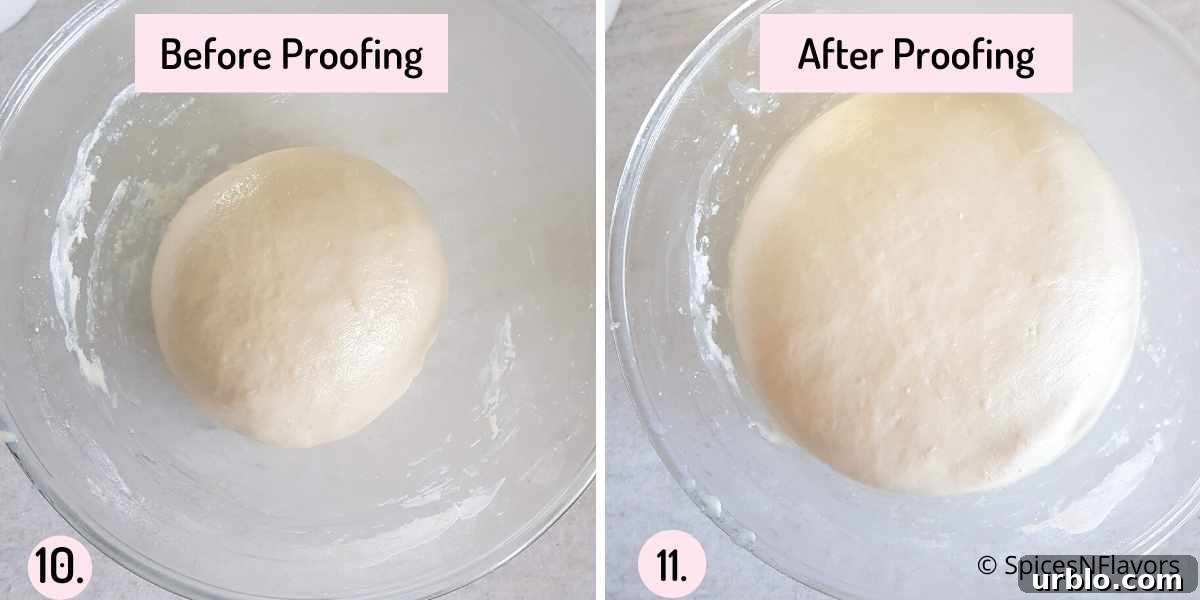
Lightly oil the mixing bowl, place the dough inside and turn to coat. Cover and let proof in a warm place for about 1 hour, until doubled.
Instant Pot proofing

Grease the Instant Pot inner pot, place the dough inside and coat with oil. Close with a glass lid or the Instant Pot lid, choose the Yogurt setting and set about 30 minutes for a warm proofing environment.
Step 3: Shaping
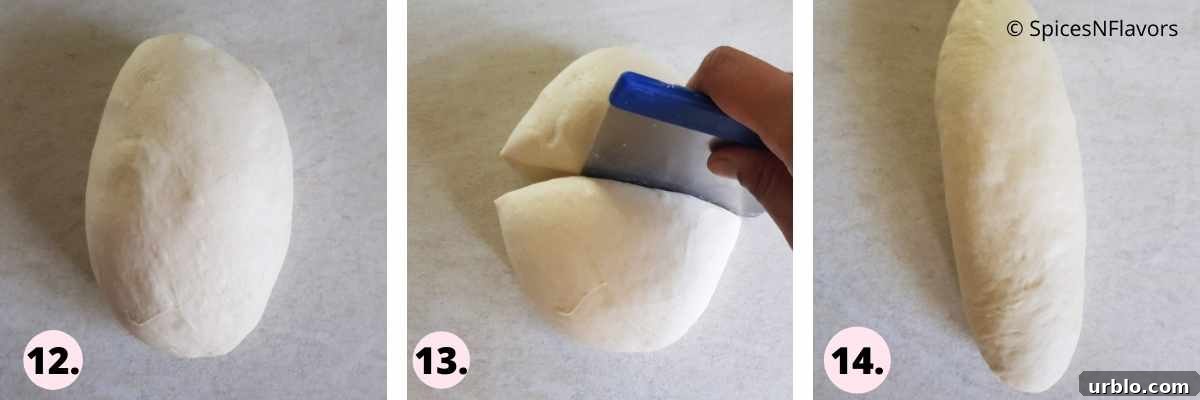
After the first rise, gently deflate the dough and divide into two equal pieces for loaves (or into eight pieces for rolls). Flatten each piece into a rectangle and roll tightly from one end to form a torpedo-shaped loaf or shape each piece into a tight round roll. Place on a lightly greased baking tray, cover with a tea towel and begin the second proofing.
Step 4: Second proofing and preparing the crust topping
Allow the shaped dough to proof for 40 minutes total. After the first 20 minutes of this second proofing, make and apply the rice flour paste.
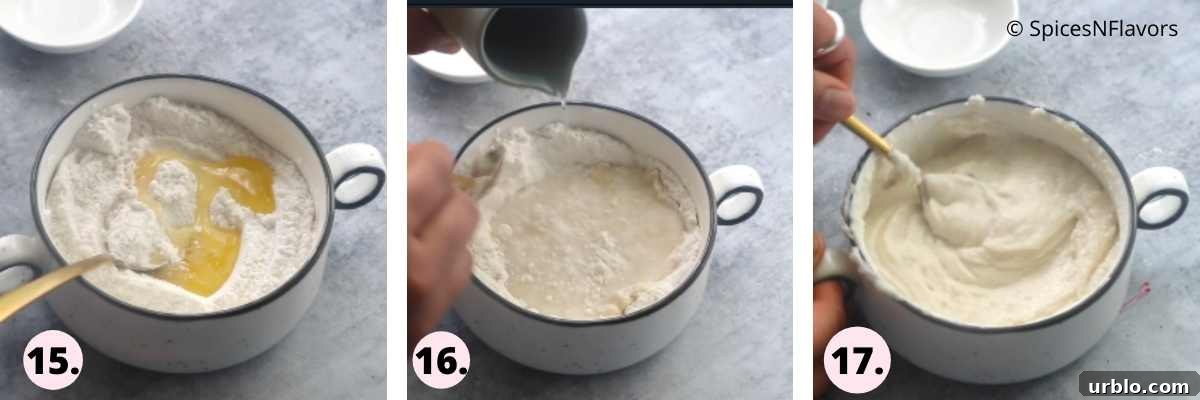
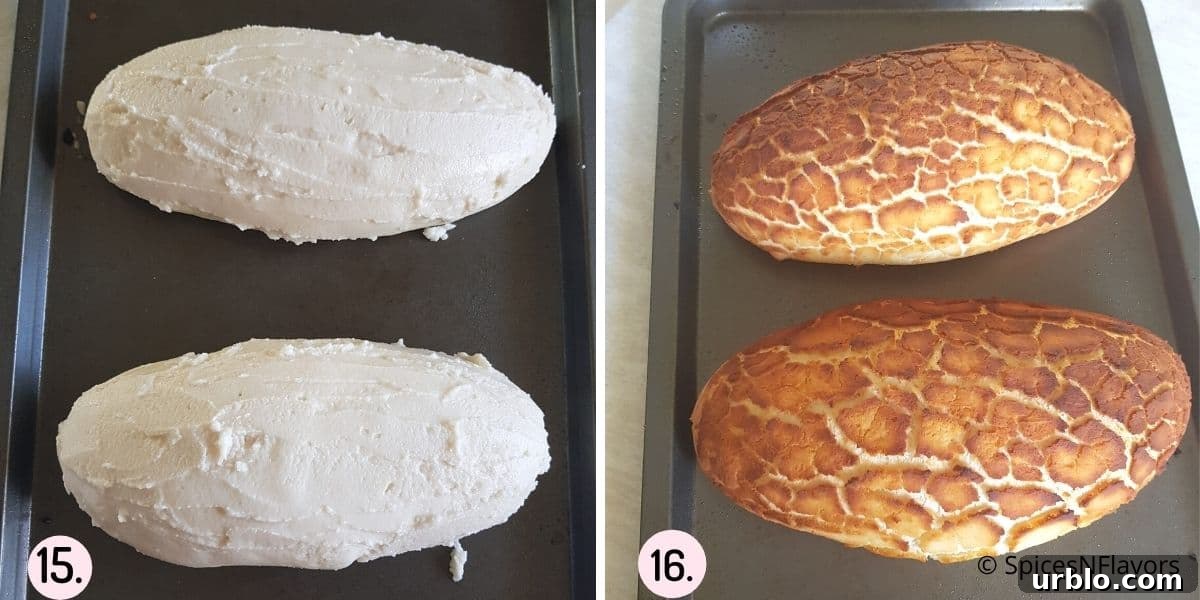
In a bowl whisk together rice flour, yeast, sugar, sesame oil, salt and water into a smooth paste. Generously spread the paste over each loaf or roll, taking care not to deflate the dough. Lightly oil a piece of cling wrap and cover the coated dough, then cover with a towel and allow the remaining 20 minutes of proofing. Oiling the cling wrap prevents the paste from sticking and ruining the texture.
Step 5: Baking
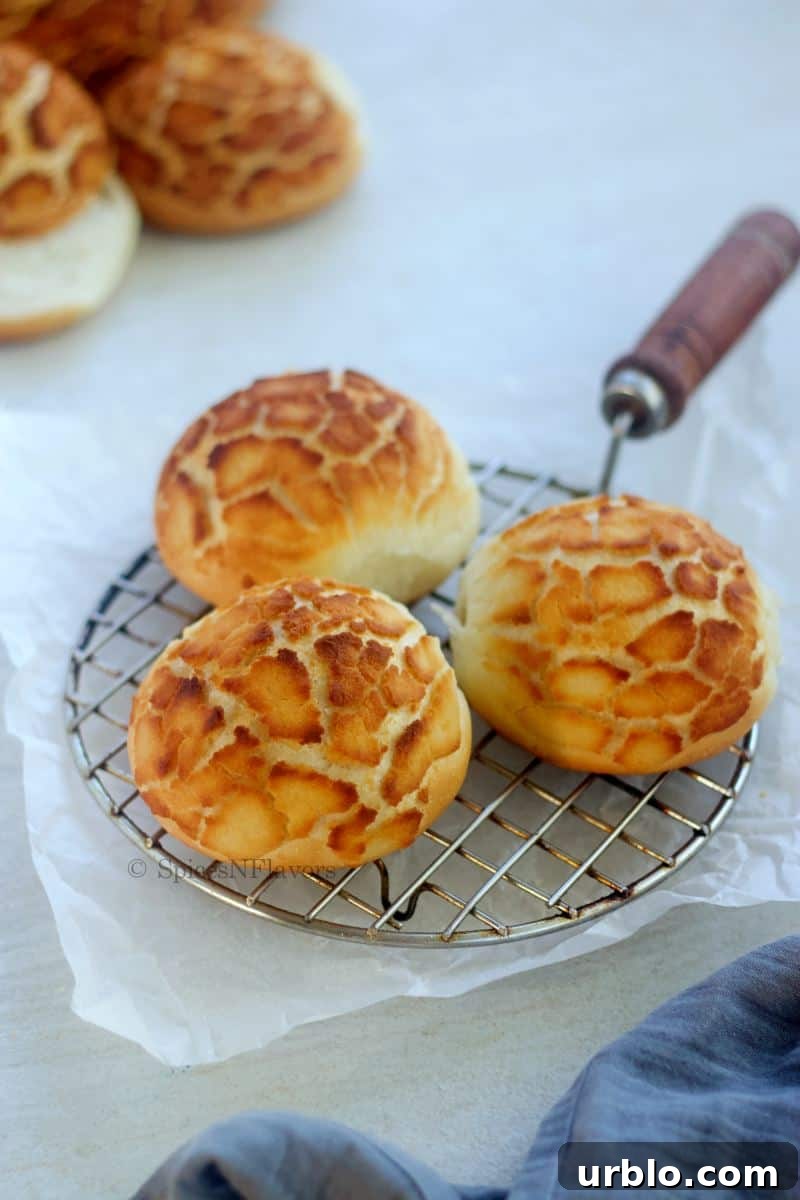
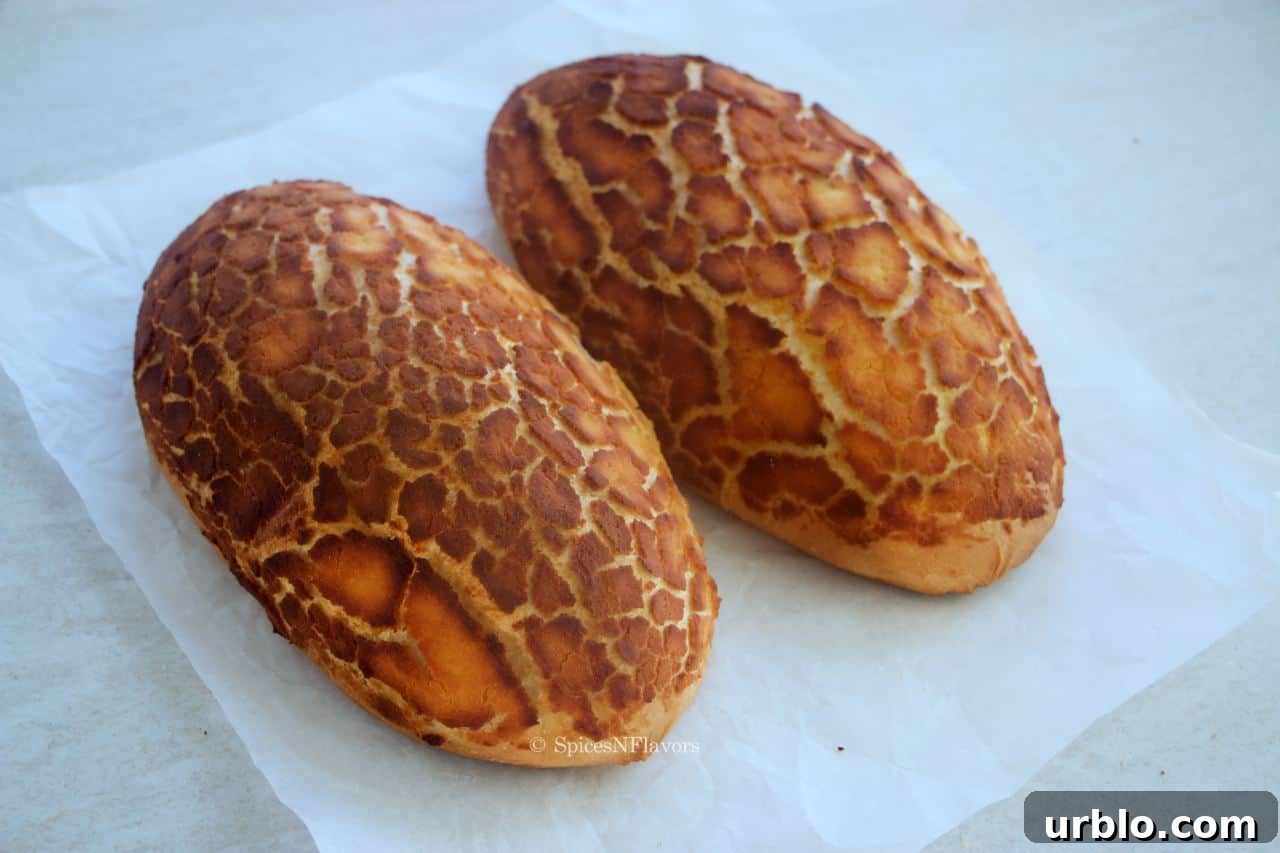
Preheat the oven to 200°C (400°F). Bake loaves for 30–35 minutes, or rolls for 20–25 minutes, until the crust is crackled and a deep golden color and the bottoms sound hollow when tapped. Allow to rest on the tray for 5 minutes, then transfer to a wire rack to cool completely before slicing.
Making rolls instead of loaves
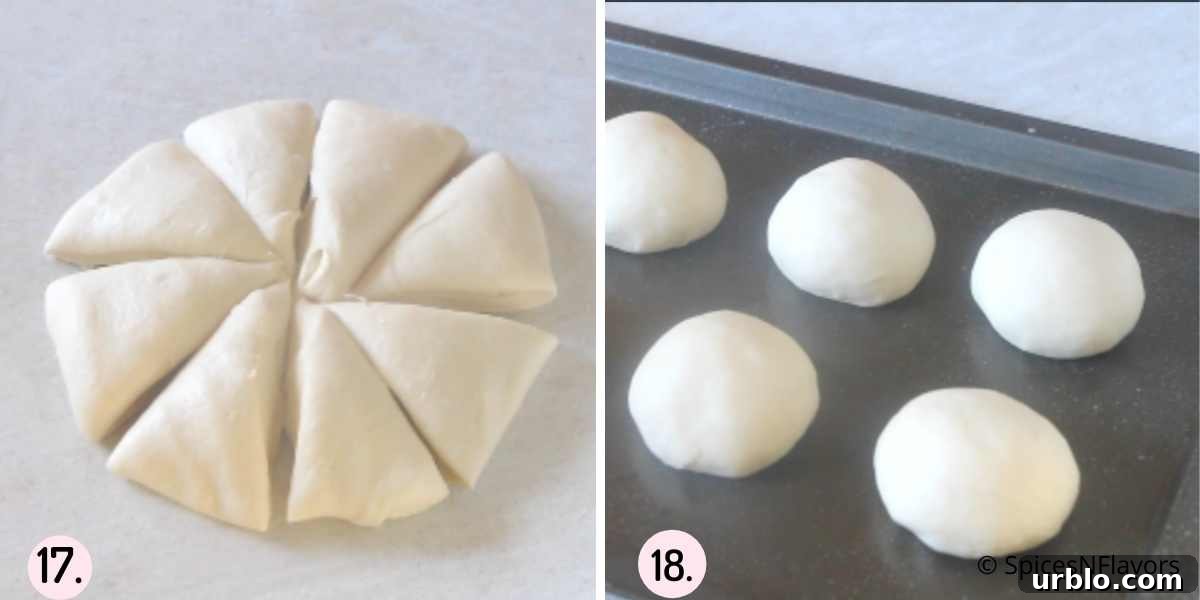
For rolls, divide the dough into eight equal pieces. Tuck the edges under and tighten each piece with your fingers to form a smooth, tight ball. Proof for 20 minutes, apply the rice flour paste, then finish the remaining proof and bake as directed.

Storage
Tiger Bread is best the day it’s baked. Store leftover bread at room temperature in an airtight container for up to two days. To freeze, pre-slice and place portions in a zip-top bag for up to three months. Thaw to room temperature and reheat briefly in the oven or microwave before serving.
Baker’s tips
- Temperature: Use warm water; too hot kills yeast, too cold slows activity.
- Shaping: Shape tightly to avoid large air pockets.
- Coating: Apply the rice paste gently to avoid deflating the dough.
- Baking: If needed, add 3–4 minutes to reach a deep golden-brown crust.
- Cooling: Cool completely before slicing for best texture.
The science behind Dutch crunch
The crunchy, cracked top comes from the rice flour paste. Because rice flour is gluten-free, the paste does not stretch as the bread beneath expands in the oven. That expansion causes the paste to tear and crack, creating the characteristic mottled pattern and crisp texture.
Recipe FAQs
You can experiment with other gluten-free flours like oat, almond or millet flour, but rice flour gives the crunchiest, most authentic crust.
Yeast softens the paste and adds a subtle lift and flavor. It is recommended, though not strictly required.
They are essentially the same style of bread; different names have been used because of variations in the surface pattern.
Serve plain or with butter, jam or spreads. Slice loaves for sandwiches or toast the rolls—this bread works well with many fillings.
You can add a small amount (about 1/2 tsp) of yeast extract like Marmite to enhance flavor, but it’s optional.
Tiger Bread
Ingredients
Bread Dough
- 1 tsp salt
- 3 cups (360 g) all-purpose flour
- 1 tbsp sugar
- 1 tsp instant yeast
- 3 tbsp olive oil
- 1 cup (230 ml) water
Rice Flour Paste
- 1/2 cup (75 g) rice flour
- 1 tsp yeast
- 1 tbsp sugar
- 1 tbsp (9 g) sesame oil
- 1/4 tsp salt
- 1/3 cup + 1/2 tbsp (90 ml) water
Instructions
Step 1 – Prepare the dough
- Combine salt, flour, sugar and yeast. Add oil and water and mix to a dough.
- Knead 15–18 minutes by hand or 8 minutes in a stand mixer until smooth and elastic. Place in a lightly oiled bowl and turn to coat.
Step 2 – First proof
- Cover and proof in a warm place for about 1 hour until doubled.
- Or proof in an Instant Pot on Yogurt mode for 30 minutes (grease pot first).
Step 3 – Shape
- Deflate the dough gently and divide into 2 pieces for loaves or 8 for rolls.
- Shape into tight torpedo loaves or smooth rounds. Place on a greased tray and begin the second proof.
Step 4 – Rice flour paste & final proof
- Mix rice flour, yeast, sugar, salt, sesame oil and water into a smooth paste.
- After 20 minutes of the second proof, spread the paste over the dough gently. Lightly oil cling wrap, cover the dough and proof the remaining 20 minutes.
Step 5 – Bake
- Preheat oven to 200°C (400°F). Bake loaves 30–35 minutes, rolls 20–25 minutes, until deep golden and crackled.
- Cool 5 minutes on the tray, then transfer to a rack to cool completely before slicing.
Notes
- Yield: two bloomer loaves (about 19 cm each) or eight rolls.
- Temperature: Use warm water to activate yeast without killing it.
- Substitutions: Use other gluten-free flours for the paste if needed; substitute vegetable oil for sesame oil.
- Freeze pre-sliced portions for up to 3 months.