
Roasting vegetables is my favorite way to cook almost any vegetable. It may not be the fastest method, but it requires very little hands-on time and yields great flavor and texture.

Join 500+ cozy folks for weekly recipes, crafts & good vibes – from my home to yours.
Sign up and I’ll send the Cozy Weekend Starter Pack — a free PDF with three recipes, three crafts, and cozy weekend ideas.

[feast_advanced_jump_to]
👉 5 ways to cook vegetables
There are five basic ways to cook vegetables: blanching or steaming, searing, braising, glazing, and roasting. Each method changes a vegetable’s color, texture, and flavor in its own way. Not every vegetable is ideal for every technique, but roasting works with almost anything — leafy greens aside — and it’s extremely versatile.
🥕 Freshness matters
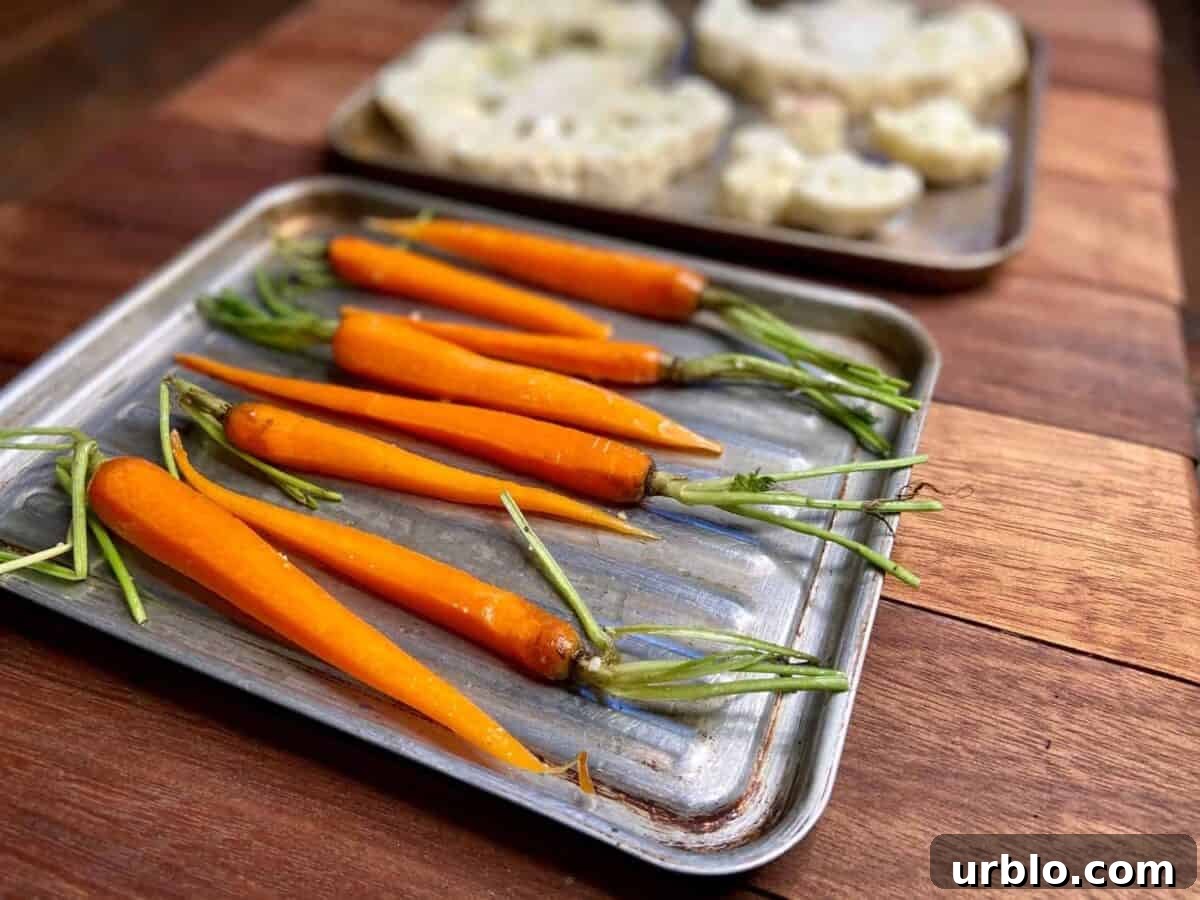
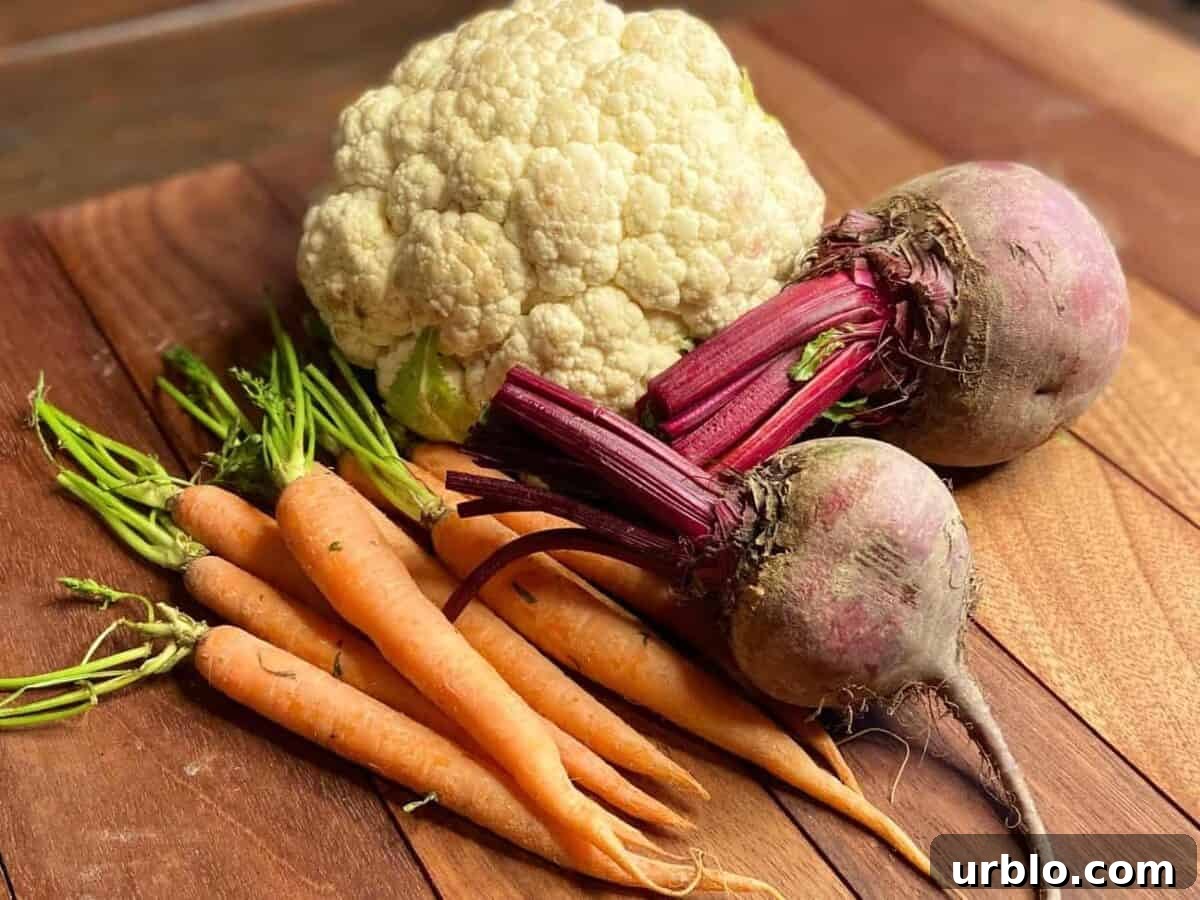
The best roasted vegetables start with fresh produce. Some signs of freshness are obvious: a carrot should snap when bent, asparagus should be firm, and broccoli and cauliflower stems should be free from browning. Avoid mushrooms that sit in excess moisture — that often means they’ll go slimy quickly. In short, choose firm vegetables with vibrant color and clean cut surfaces.
⏲️ How to roast vegetables
Almost any vegetable can be roasted. The goal is to brown the exterior to develop caramelization — the natural sugars concentrating and turning golden — while keeping the inside tender and not dried out. Over-roasting or burning will create bitterness, so keep an eye on timing and temperature.
If you prefer speed and high heat, a very hot broiler can be used, but for reliable results with less risk of burning, 425°F is an excellent temperature. It gives you a little extra time and consistent results without setting off smoke alarms.
📋 Simple rules
Preheat your oven to 425°F and place a metal rimmed baking sheet inside to warm. Use a metal baking sheet with a low rim — glass doesn’t conduct heat as well, and tall rims block airflow under the vegetables.
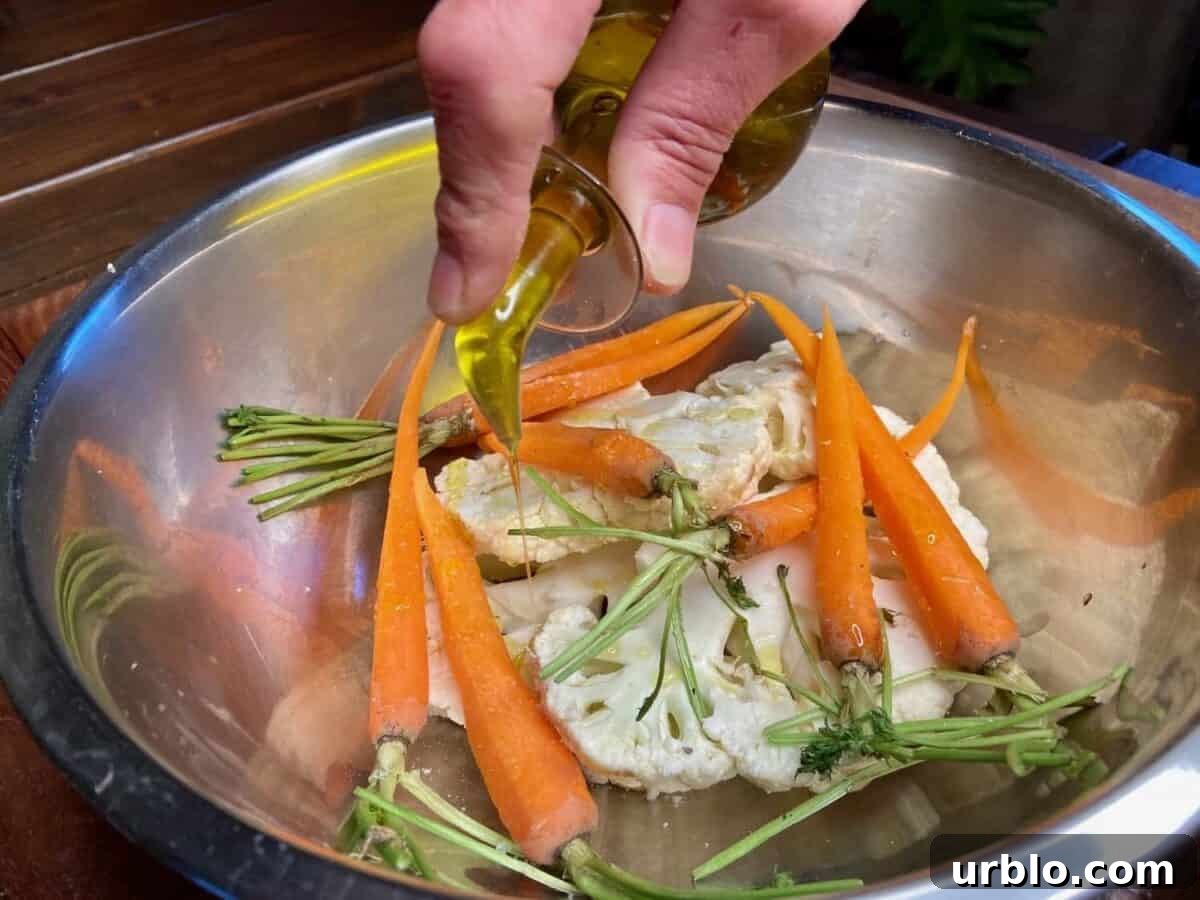
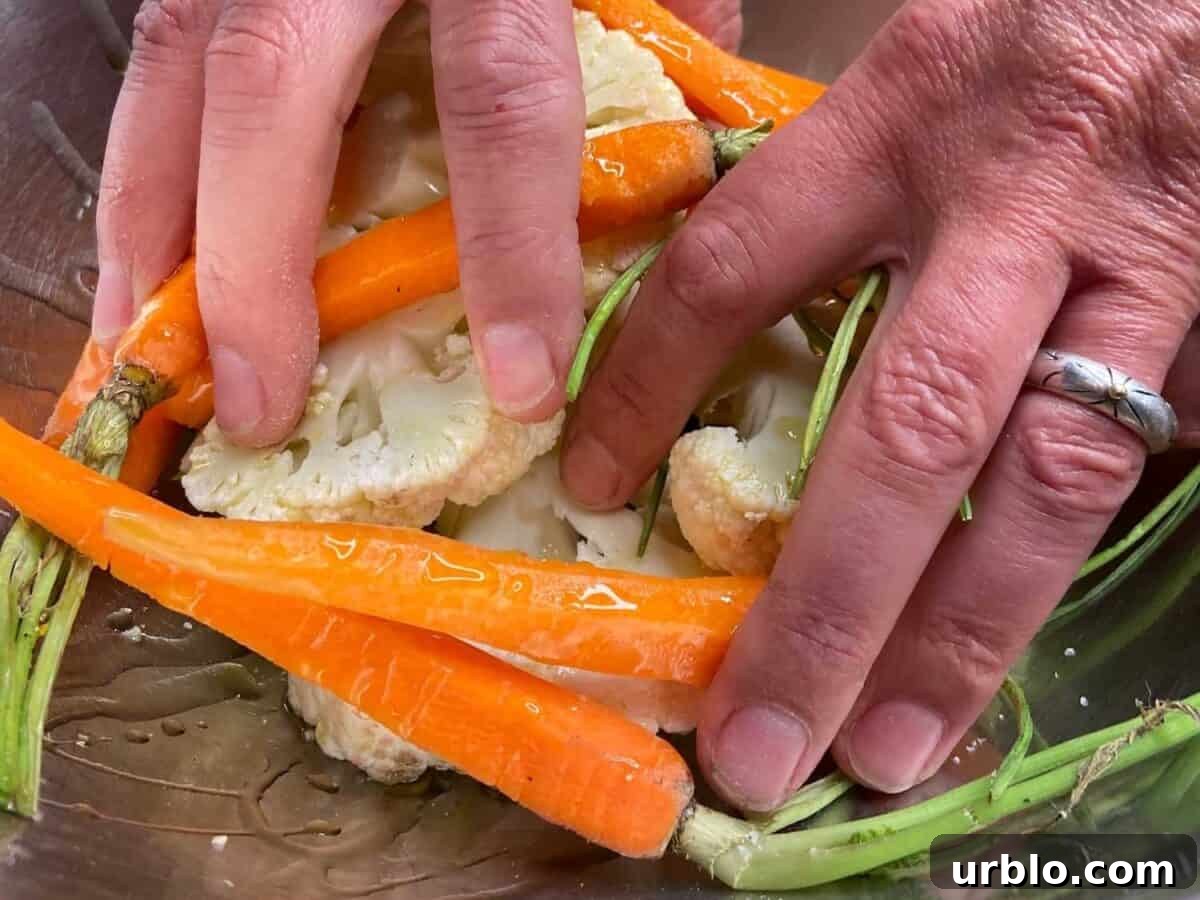
After washing, trimming, and cutting, toss the vegetables in a large bowl with extra virgin olive oil and salt. Use your hands to massage the oil onto the pieces so each piece is evenly coated. Oil helps conduct heat and prevents the vegetables from drying out.
Spread the vegetables in a single layer on the hot baking sheet so they sizzle on contact. Do not crowd the pan — if pieces touch they will steam instead of roast. If you’re roasting different vegetables with different cook times, use separate sheets and add items to the oven at staggered intervals. For example, whole beets can take up to an hour, so they’ll go in before baby carrots.
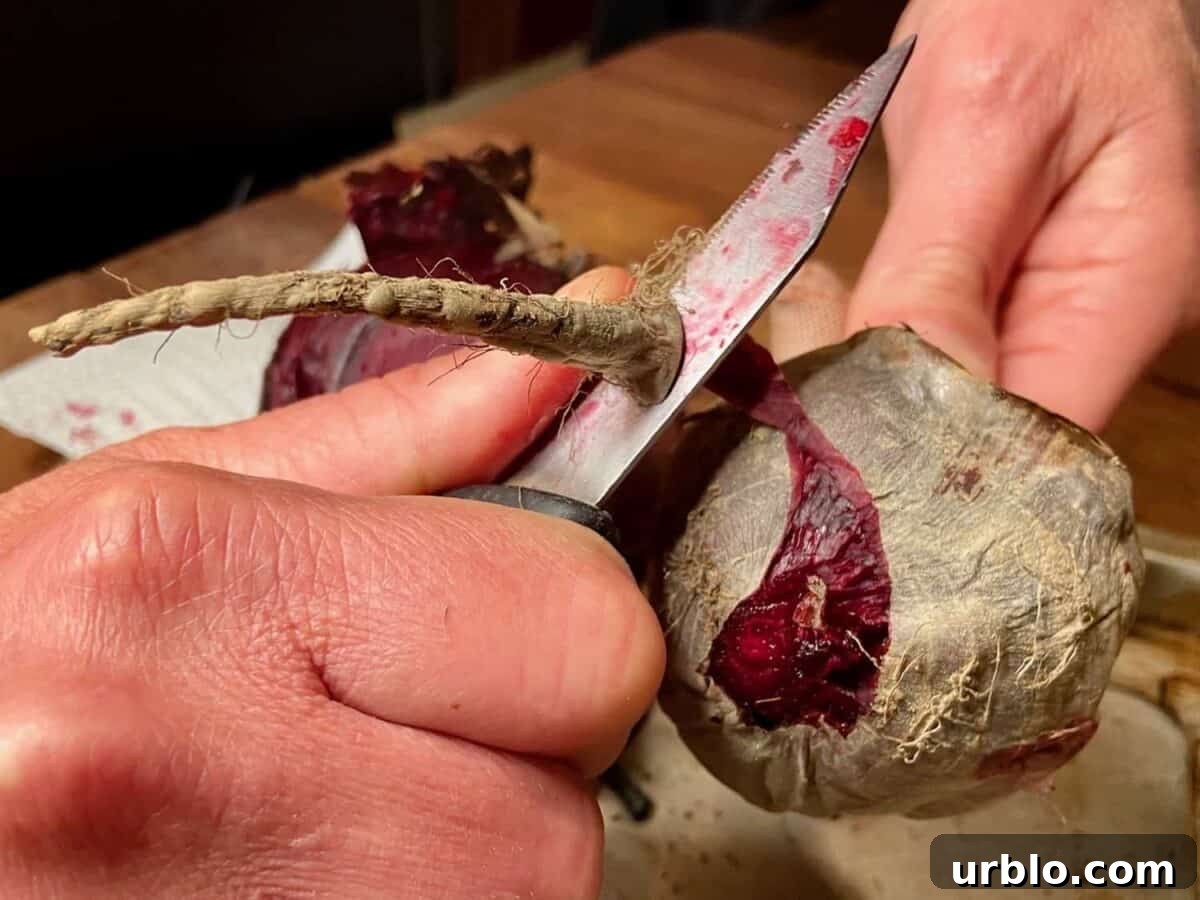
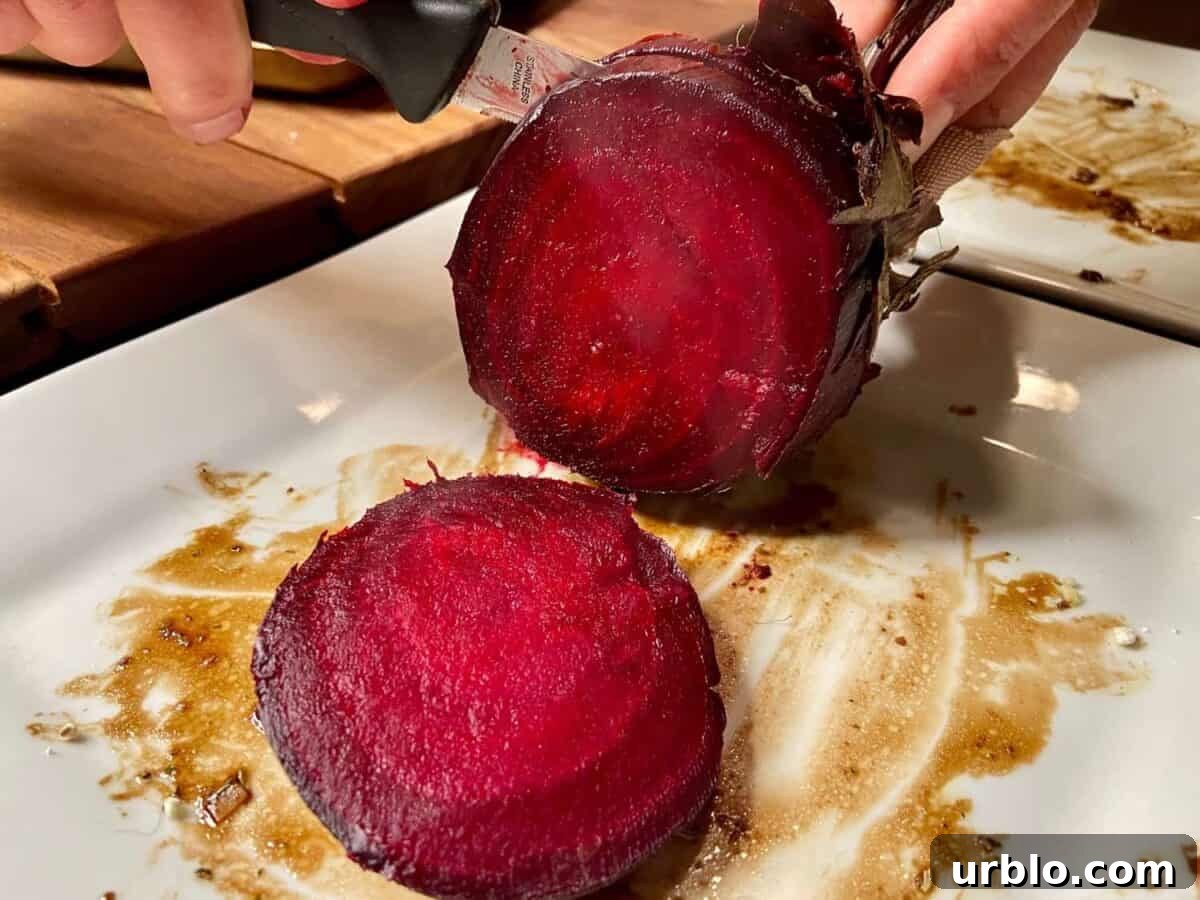
Tip for beets: roast them with the skin on until fork-tender. Once roasted, the skins slip off easily, and you avoid staining your cutting board — though your fingers may still get a little colored.
🍽 How to serve
When the vegetables are done, taste and adjust seasoning. A squeeze of fresh lemon or a splash of vinegar brightens roasted vegetables, balancing the sweetness from caramelization. You can also finish them with a pat of compound butter, a sprinkle of cheese, or a sauce such as hollandaise for asparagus.

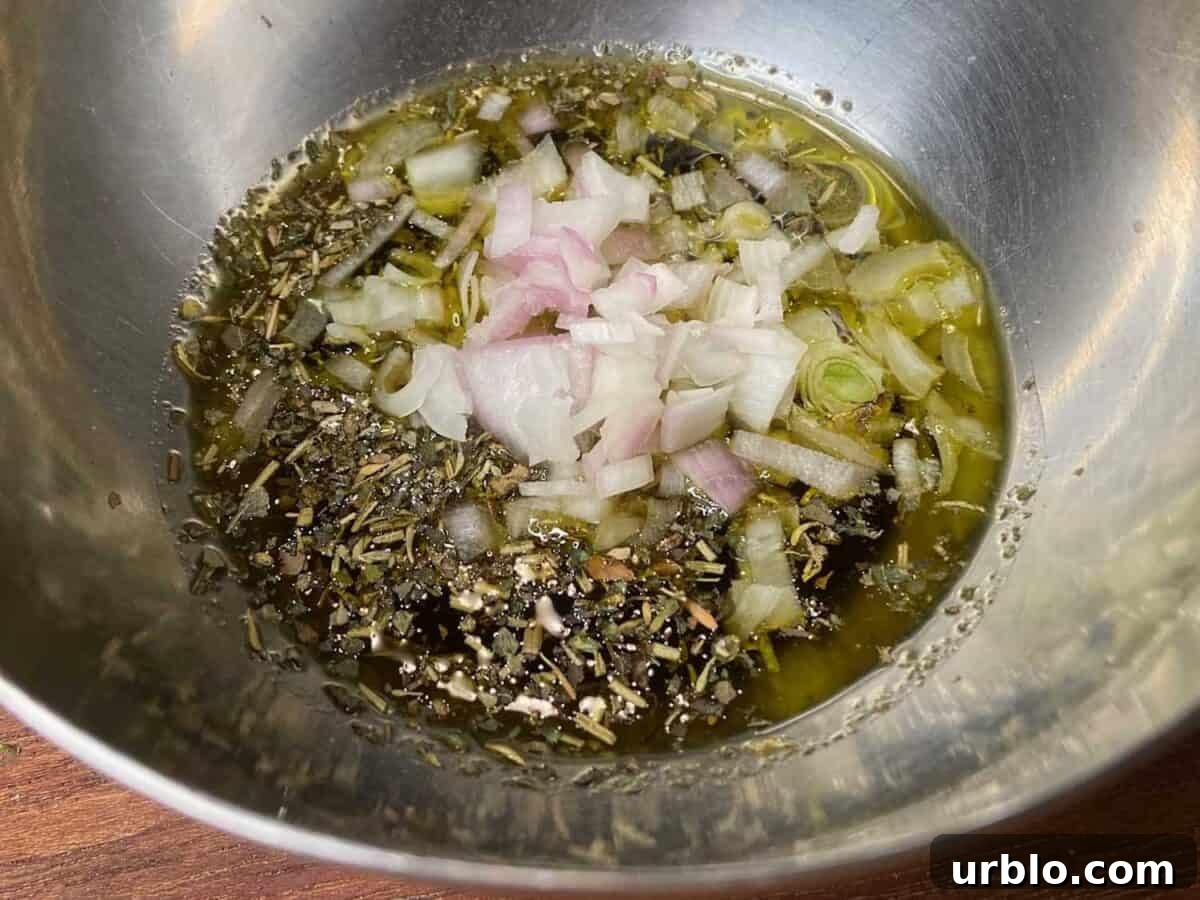
Here’s a simple vinaigrette I used on roasted cauliflower and carrots: mix 3 tablespoons extra virgin olive oil, 1 tablespoon balsamic vinegar, 1/4 teaspoon salt, 1 small minced shallot, and 1 tablespoon Italian seasoning. Finish with chopped parsley and crumbled feta if you like.
🕜 Approximate cooking times
Ovens vary and the back tends to run hotter, so halfway through cooking flip or toss the vegetables and rotate the baking sheet for an even roast. Test doneness by tasting — they should be tender inside with a nicely browned, savory exterior.
Approximate times at 425°F:
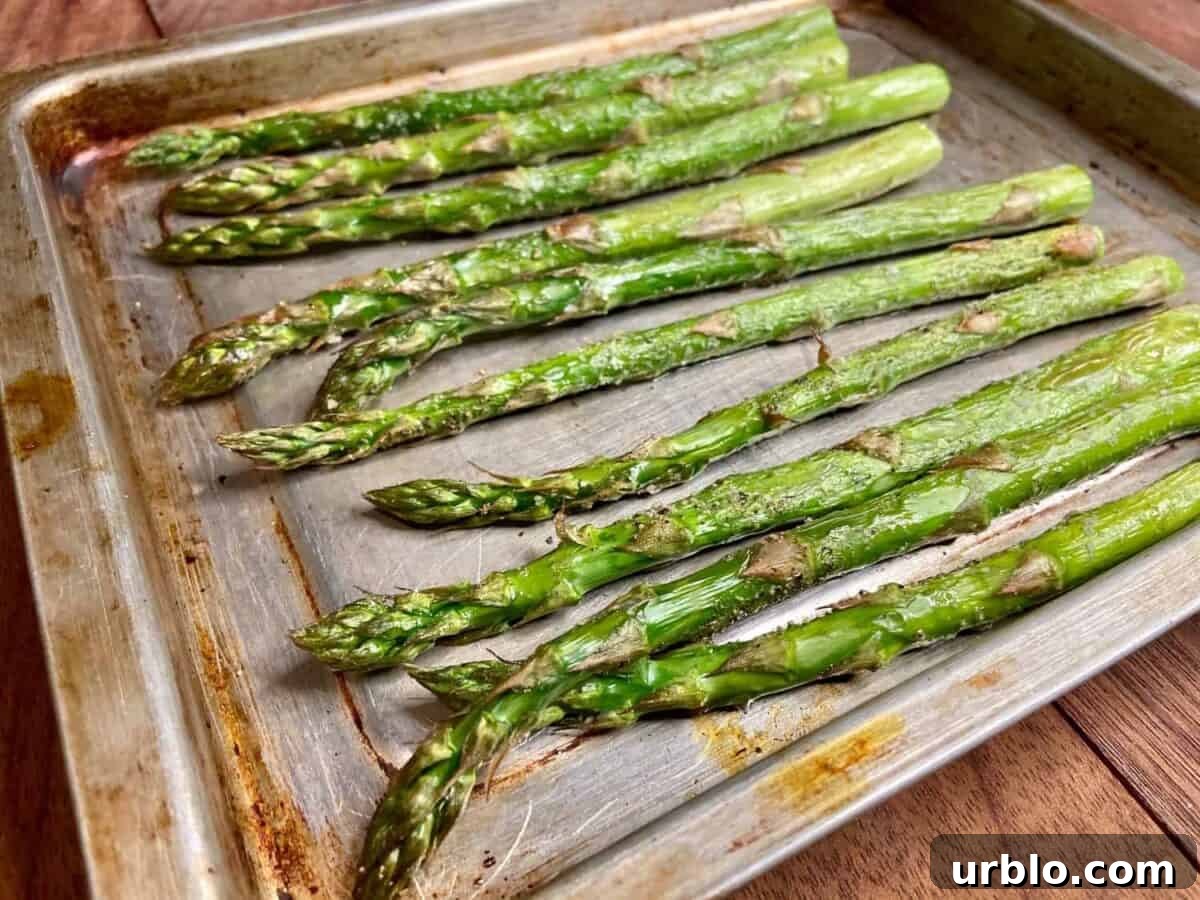
Asparagus – 20 minutes
Beet (whole, skin on) – 60 minutes (large)
Bell peppers – 20 minutes
Broccoli – 25 minutes
Brussels sprouts (halved) – 25 minutes
Butternut squash – 30 minutes
Carrots (1″ chunks or baby) – 30 minutes
Cauliflower (1″ florets) – 25 minutes
Green beans – 20 minutes
Onions – 35 minutes
Potatoes – 45 minutes
Sweet potatoes – 30 minutes
Yellow squash – 20 minutes
Zucchini – 20 minutes
Roasting vegetables is more technique than recipe: learn the principles and you’ll be able to adapt to what you have on hand. If you want more how-to guides like this, tell me what you’d like to learn — understanding the why behind techniques will make you a more confident cook than blindly following recipes.
Did you make this Roasted Vegetables recipe? Let us know in the comments below!
Content and photographs are copyright protected. Sharing this recipe is encouraged; copying full recipes to social media is prohibited.