If you’ve struggled to get your kids motivated to do chores, you are not alone.
I often hear from parents who feel defeated because their children “just won’t do chores no matter what I try.”
That frustration makes sense. Chores are an important part of raising responsible, capable, and independent kids, yet many parents end up exhausted after repeated battles and wish they had just done the task themselves.
The good news is you can get your kids motivated to help—if you avoid the five biggest mistakes parents commonly make when assigning chores.
Below I’ll explain those mistakes and offer practical alternatives you can implement to build a home where kids help without constant conflict.
Let’s get started.
RELATED: Age-appropriate Chores for Kids
THE BIGGEST MISTAKES PARENTS MAKE TRYING TO GET KIDS TO DO CHORES
Mistake #1: Creating an environment in which kids expect rewards
Many chore systems unintentionally create a “rewards economy,” teaching children that every helpful act must be paid for. If your request for help is met with “What will you give me?” you’ve seen this dynamic firsthand.
When children learn to expect a reward for every task, their intrinsic motivation—doing something because it feels right or useful—declines. They come to believe they don’t need to contribute unless there’s a prize attached.
Experts often advise separating allowance from chores for this reason. Paying kids for basic responsibilities can undermine the message that taking care of shared spaces and belongings is part of being in a family.
WHAT TO DO INSTEAD:
- Create a culture of helpfulness. Make it clear that everyone contributes to keep the home running. Emphasize that each person’s participation keeps the household healthy and comfortable.
- Connect chores to privileges. Instead of paying for each task, link privileges—screen time, playdates, outings—to completing responsibilities. For example: “You can have 30 minutes of TV after chores are done.”
- Frame rewards as celebrations. Rather than offering one-off bribes, plan family celebrations when everyone pitches in: “If we finish our chores, we’ll relax with a movie and popcorn together.”
- Separate allowance from chores. Use allowance to teach saving, giving, and spending—not as payment for household duties.
In short, you want kids to help because it feels good, builds pride, and creates belonging—not only because they’ll receive something in exchange.
A behavior chart or privilege-based system can work, but make sure it encourages responsibility and intrinsic motivation rather than turning every task into a transaction.
For more, check out How to Get Kids to Do Chores & Help Out Without Being Asked
Mistake #2: Waiting until kids are older to give chores
When children are small, they are often eager to help, but parents skip including them because it feels slower and messier to involve a toddler. We tell ourselves it’s easier to do it ourselves and delay teaching chores until kids are older—by which point resistance can be much stronger.
WHAT TO DO INSTEAD:
- Start now. It’s never too late to begin. Commit to change and introduce age-appropriate tasks so kids learn from an early age that contributing is normal.
- Allow a transition period. Expect an adjustment window—about two weeks for many kids—while they adapt to new routines. Consistency during this time pays off.

Mistake #3: Yelling when kids resist or complain
Everyone loses their cool sometimes, but yelling teaches children to associate chores with anger and negativity. That association undermines internal motivation and turns chores into power struggles.
WHAT TO DO INSTEAD:
- Use calm-down strategies. When frustration rises, pause, breathe, and return to the conversation calmly: “I know this is frustrating for both of us. I’m going to take a minute and then we’ll figure this out.”
- Know your triggers. Identify times or situations when you’re more likely to snap. If evening fatigue is a problem, try scheduling chores for earlier in the day.
- Partner up on tone. Discuss with your partner how to reduce yelling and support each other in staying calm and consistent.
Mistake #4: Using a complicated chore system
Overly complex systems are hard to set up and maintain. If a routine requires extensive prep or constant management, it’s more likely to be abandoned. Simplicity increases the chance of long-term success.
WHAT TO DO INSTEAD:
- Start simple. Begin with a small set of daily tasks and help children build habits. Add responsibilities slowly as they become consistent.
- Keep chores consistent. Assign the same basic chores daily so kids know what to expect. Consider one rotating “extra chore” based on daily needs.

Mistake #5: Not giving kids clear expectations
Vague directions and unclear standards cause resistance. Children need to know exactly what you want done and how to do it well.
WHAT TO DO INSTEAD:
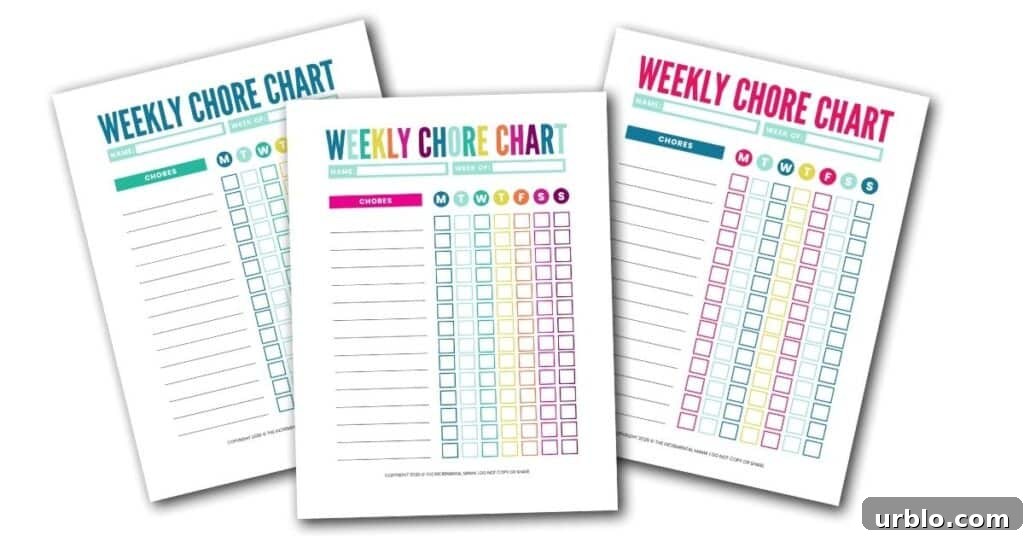
- Use chore charts. Visual lists help kids remember tasks and experience accomplishment when they check items off.
- Work alongside your child. Model the task, coach them through it, and praise their progress.
- Break down difficult tasks. Teach one step at a time—start unloading silverware before moving on to full dish duties.
- Use checklists for bigger jobs. Step-by-step lists clarify expectations for tasks like bathroom or bedroom cleaning.
- Provide kid-friendly tools. Child-sized supplies and a personal cleaning kit make it easier and more motivating for kids to take responsibility.

YOU CAN GET YOUR KIDS TO DO CHORES
It won’t always be simple, but avoiding these five common mistakes and replacing them with clear, consistent, and age-appropriate strategies will help you build a calmer, more cooperative household. With patience and persistence, your kids can become reliably helpful members of the family.
You’ve got this!